Women’s Liberation Day: History, Meaning, and the Ongoing Struggle for Equality
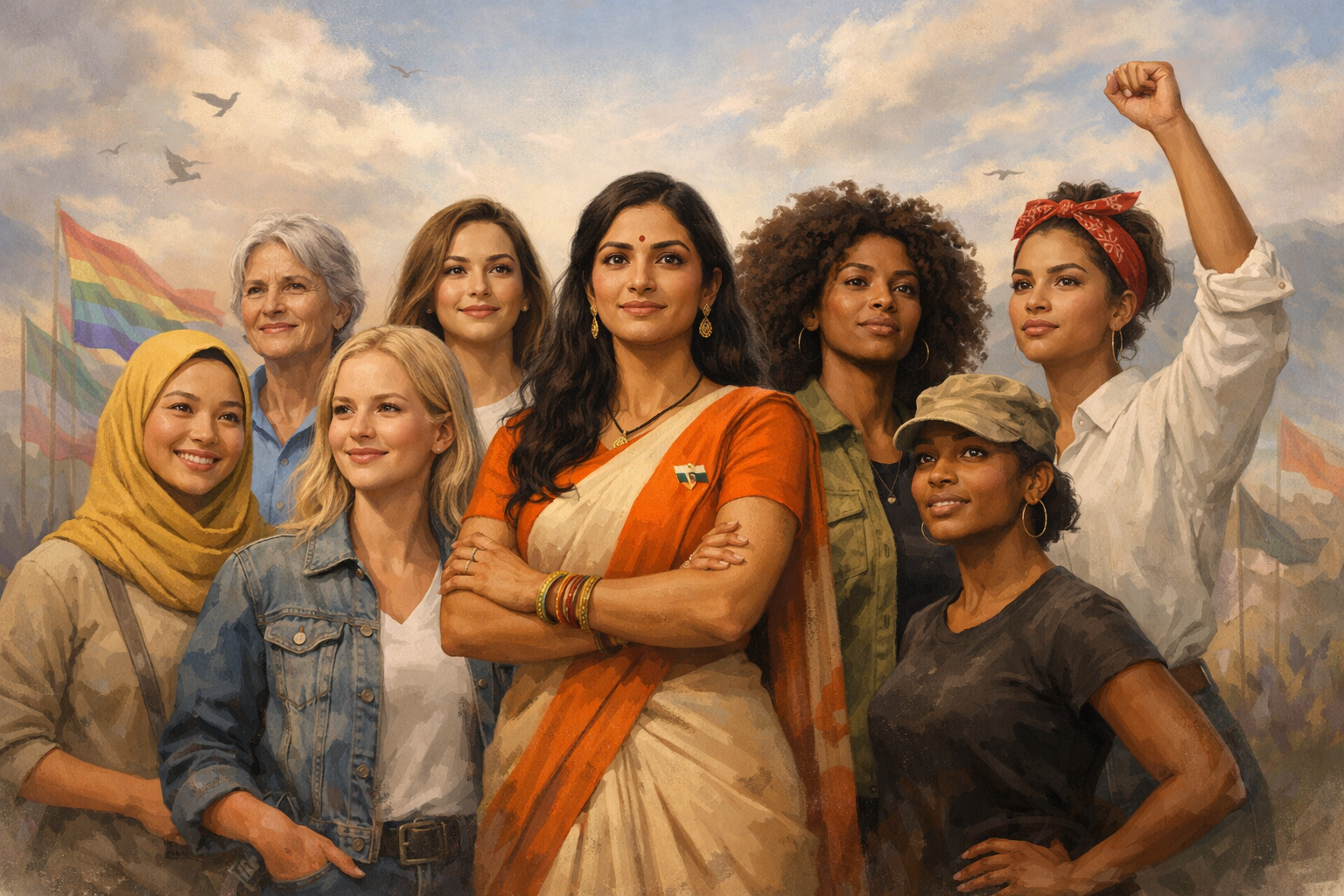
Women’s Liberation Day, known in Hindi as Mahila Mukti Diwas, is observed to recognize the long and continuing struggle of women for freedom, dignity, equality, and justice. It is not only a day of remembrance but also a moment of reflection, awareness, and action. Around the world, women have fought social, cultural, political, and economic barriers to claim their rightful place in society. This day honors those efforts and reminds us that the journey toward true equality is still ongoing.
Women’s Liberation Day is deeply rooted in movements that challenged patriarchal systems and demanded equal rights. From education and employment to voting rights and bodily autonomy, women have consistently stood up against injustice. While progress has been made, gender inequality still exists in many forms, making this day highly relevant even today.
Women’s Liberation Day: Overview
| Aspect | Details |
|---|---|
| Occasion | Women’s Liberation Day (Mahila Mukti Diwas) |
| Purpose | To recognize and promote women’s freedom, equality, and empowerment |
| Core Theme | Gender equality, social justice, and women’s rights |
| Historical Roots | Linked to global feminist movements and social reform efforts |
| Indian Context | Inspired by women-led reform movements and freedom struggle contributions |
| Key Focus Areas | Education, economic independence, legal rights, safety, and dignity |
| Who It Honors | Women leaders, reformers, activists, and everyday women shaping society |
| Modern Relevance | Addresses issues like equal pay, leadership representation, and violence against women |
| How It Is Observed | Awareness campaigns, discussions, educational programs, and social initiatives |
| Message | True progress is possible only when women are free, equal, and empowered |
What Is Women’s Liberation Day?
Women’s Liberation Day is dedicated to celebrating women’s empowerment and highlighting the importance of gender equality. It emphasizes freedom from discrimination, violence, and oppression. The term “liberation” goes beyond legal rights. It includes mental, social, and economic independence, as well as the freedom to make personal choices without fear or restriction.
In India, Mahila Mukti Diwas is closely associated with social reform movements and the efforts of leaders who advocated women’s education and empowerment. Globally, it aligns with feminist movements that emerged strongly in the 19th and 20th centuries.
Historical Background of the Women’s Liberation Movement
The roots of the women’s liberation movement can be traced back to a time when women were denied basic human rights. In many societies, women could not vote, own property, or receive formal education. Their roles were limited to domestic responsibilities, and their voices were largely excluded from public life.
The 19th century marked a turning point. Women began organizing and speaking out against inequality. Movements for suffrage gained momentum in countries like the United States and the United Kingdom. Women demanded the right to vote, access to education, and fair working conditions.
The early 20th century saw further progress as women actively participated in labor movements and political struggles. World wars also played a role in changing perceptions, as women stepped into roles traditionally held by men. These experiences strengthened the argument that women were equally capable and deserving of equal rights.
Women’s Liberation in the Indian Context
In India, the struggle for women’s liberation has a unique history shaped by cultural traditions, colonial rule, and social reform movements. Reformers like Raja Ram Mohan Roy, Ishwar Chandra Vidyasagar, and Savitribai Phule challenged regressive practices such as sati, child marriage, and denial of education to women.
During the Indian freedom struggle, women played a significant role. Leaders like Sarojini Naidu, Kasturba Gandhi, and Aruna Asaf Ali actively participated in protests and movements. Their involvement not only strengthened the fight for independence but also highlighted the importance of women’s participation in nation-building.
After independence, the Indian Constitution guaranteed equality before the law and prohibited discrimination based on gender. Despite these legal protections, social realities often lagged behind, making women’s liberation an ongoing process.
The Meaning of Liberation for Women Today
In the modern world, women’s liberation has expanded to include multiple dimensions. It is not limited to legal rights but also focuses on quality of life and personal freedom. Education, financial independence, healthcare, and safety are all crucial components of true liberation.
Women today are breaking barriers in science, technology, politics, sports, and entrepreneurship. However, challenges such as gender-based violence, unequal pay, limited representation in leadership roles, and societal expectations continue to persist.
Liberation also means freedom of thought. Women should have the autonomy to choose their careers, lifestyles, and relationships without societal pressure. Mental health awareness and emotional well-being are increasingly recognized as important aspects of empowerment.
Why Women’s Liberation Day Still Matters
Despite progress, gender inequality remains a global issue. Women’s Liberation Day serves as a reminder that equality is not automatic. It requires continuous effort from individuals, communities, and governments.
This day encourages dialogue about issues such as education for girls, workplace equality, reproductive rights, and violence against women. It also highlights the importance of involving men and boys in the conversation, as gender equality benefits everyone.
Role of Education in Women’s Liberation
Education has always been a powerful tool for empowerment. Educated women are more likely to participate in decision-making, support their families, and contribute to economic growth. Access to quality education helps break the cycle of poverty and dependency.
Women’s Liberation Day emphasizes the need to ensure that girls everywhere have access to schools, higher education, and skill development programs. Education not only provides knowledge but also builds confidence and critical thinking.
Economic Independence and Empowerment
Financial independence is a key factor in women’s liberation. When women have control over their income and resources, they gain greater freedom and security. Equal pay for equal work, access to employment opportunities, and support for women entrepreneurs are essential steps toward empowerment.
Self-help groups, microfinance initiatives, and skill training programs have played an important role in improving women’s economic status, especially in rural areas.
Challenges That Still Exist
While celebrating achievements, it is equally important to acknowledge ongoing challenges. Gender-based violence, workplace discrimination, lack of representation, and cultural stereotypes continue to affect millions of women worldwide.
Women from marginalized communities often face multiple layers of discrimination. Addressing these issues requires inclusive policies and grassroots-level action.
How Society Can Support Women’s Liberation
True liberation cannot be achieved by women alone. Society as a whole must participate in creating an environment of respect and equality. This includes changing mindsets, challenging stereotypes, and promoting shared responsibilities at home and work.
Men play a crucial role as allies in the movement for gender equality. Supporting women’s education, careers, and choices strengthens families and communities.
Celebrating Women’s Liberation Day
Women’s Liberation Day can be observed through discussions, seminars, cultural programs, and awareness campaigns. It is a time to honor the contributions of women from all walks of life and to recommit to the principles of equality and justice.
Social media campaigns, educational workshops, and community initiatives can help spread awareness and inspire action. Every small step contributes to a larger change.
Conclusion
Women’s Liberation Day is not just a symbolic occasion. It is a call to action. It reminds us of the struggles of the past, the achievements of the present, and the responsibilities of the future. True liberation means creating a world where women can live with dignity, freedom, and equal opportunities.
As we observe Women’s Liberation Day, let us commit to building a society that values equality and respects the rights of every individual. Empowering women is not only a moral obligation but also a foundation for a just and progressive world.