[india_weather]

Indian Culture: Festivals, Traditions, Art and Daily Life
This section is about the India you live in, not just the one you read about in history books: why Lohri bonfires are lit on the coldest night of the Punjab winter, how a Bharatanatyam dancer tells a story with her hands, what a Madhubani painter uses for colour, and why Chhath begins with prayers to the setting sun.
Each guide explains where a tradition comes from, how it differs from one region to another, and what it looks like today. Where a popular story is a legend rather than recorded history, I say so. Festival guides also give the dates for the coming year, which I update every year.
Start here
- Festivals: Diwali and its five days, Navratri, Dussehra, Chhath Puja, Lohri and Makar Sankranti, Basant Panchami
- Art and performance: the eight classical dance forms and folk painting from Madhubani to Gond
- Customs: traditional clothing by region, wedding rituals and Karva Chauth
- Daily life: life in an Indian village and life in the big cities
All culture articles
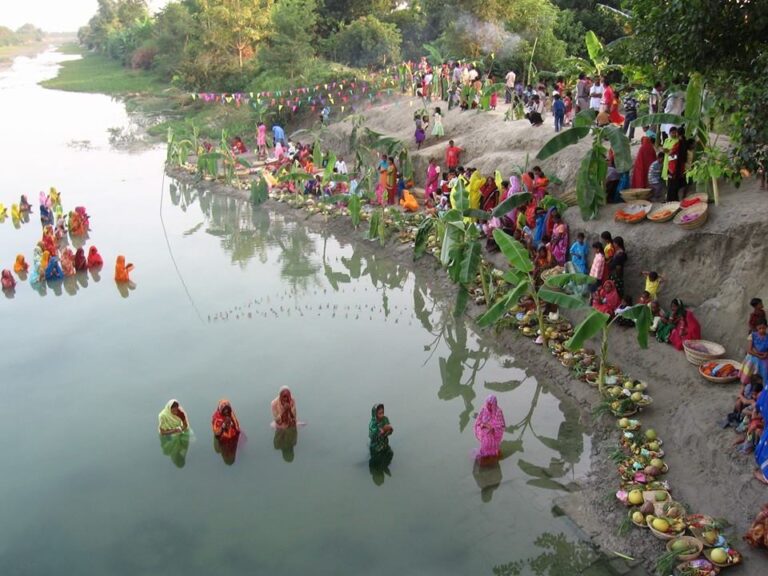
Chhath Puja: The Ancient Sun Festival of Bihar
Chhath Puja 2026 runs from 13 to 16 November, with the evening arghya on 15 November. Learn the four days of the fast, why the setting sun is worshipped first, and the traditions of Bihar’s great sun festival.

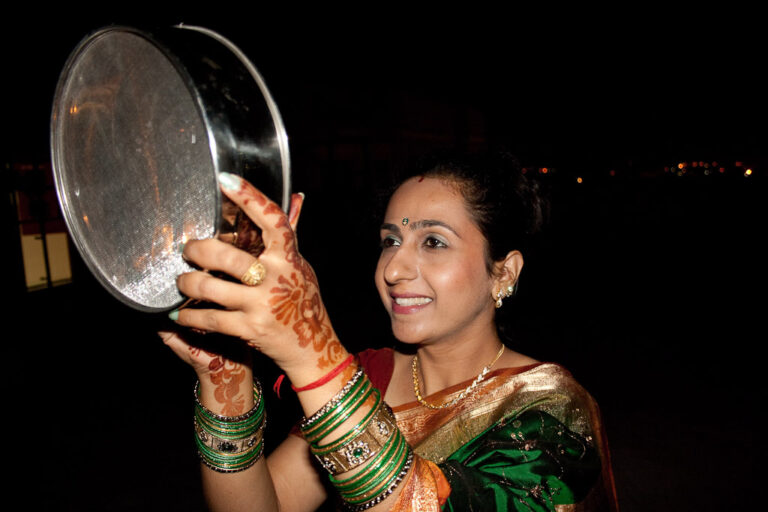
Karva Chauth: The Story, Rituals, and Meaning
Karva Chauth is the fast kept by married women for their husbands. Learn the legend of Karva, the story of Queen Veervati, the sargi meal and the moonrise ritual.

Dussehra: The Victory of Good Over Evil
Dussehra marks the victory of Rama over Ravana. Learn the story, why India burns the effigies, and how the festival is celebrated in Mysuru, Kullu and Bengal.
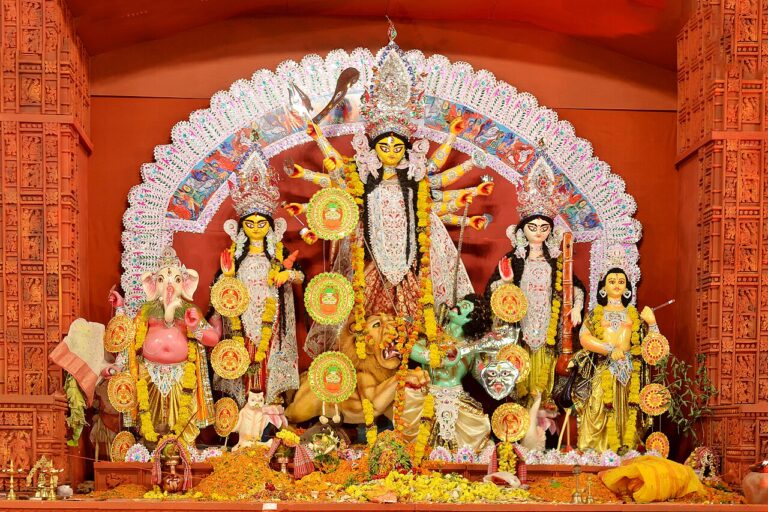
Navratri: The Nine Nights of the Divine Feminine
Navratri celebrates the nine forms of Goddess Durga. Learn what the nine nights mean, the nine colours, regional traditions across India, and what people eat during the fast.
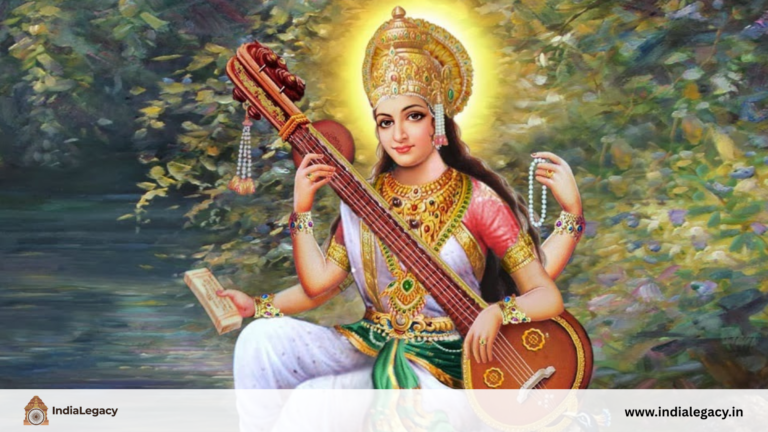
Basant Panchami: The Festival of Knowledge, Spring, and Goddess Saraswati
Basant Panchami marks the arrival of spring and the worship of Goddess Saraswati. Learn its meaning, history, rituals, yellow traditions and festive foods.