[india_weather]

Monuments of India: Temples, Caves, Forts and Heritage Sites
These are guides to India’s great monuments for people who want to understand what they are looking at: who built the Kailasa Temple at Ellora and how it was cut from a single cliff, why the Konark Sun Temple is shaped like a chariot, and what makes the Chola temple at Thanjavur different from a Rajput fort in Jaipur.
Each guide covers the history, what to look for when you visit, and practical details like how to get there and the best time to go. Timings and ticket prices change, so I mark when a guide was last updated and link to the official ASI or UNESCO page where there is one.
Start here
Rock-cut caves and temples
- Kailasa Temple, Ellora: a whole temple carved from one rock
- Ajanta Caves and their Buddhist paintings
- Badami Caves, the Chalukya rock temples of Karnataka
Great temples and pilgrimage sites
- Konark Sun Temple, the stone chariot of Odisha
- Brihadeeswarar Temple, Thanjavur
- Vaishno Devi yatra guide
- Ram Setu: belief and science
Forts and palaces
Natural heritage
- The Sundarbans, the world’s largest mangrove forest
All monument guides
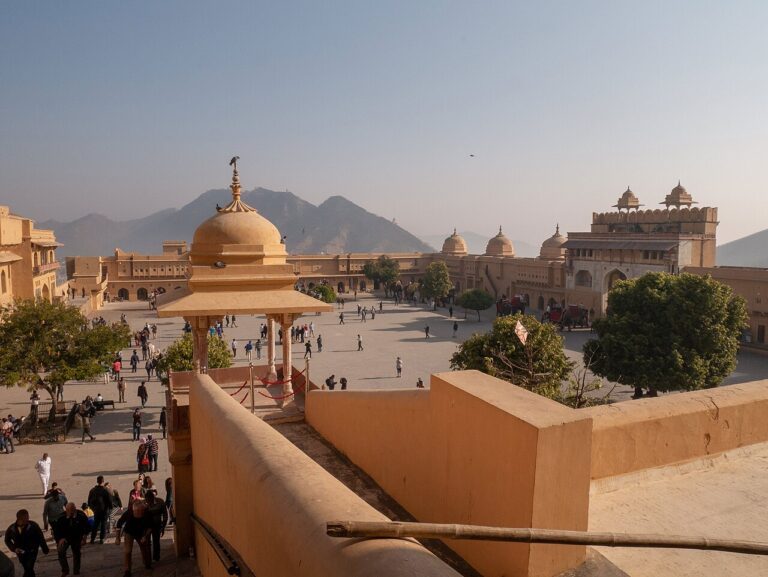
Amer Fort Jaipur: History, Architecture, and Complete Visitor Guide
Discover Amer Fort Jaipur, Rajasthan's iconic hill fort and a UNESCO World Heritage Site. Explore its fascinating history, Rajput-Mughal architecture, the dazzling Sheesh Mahal, hidden tunnels, royal legends, and a complete visitor guide with timings, tickets, and travel tips.

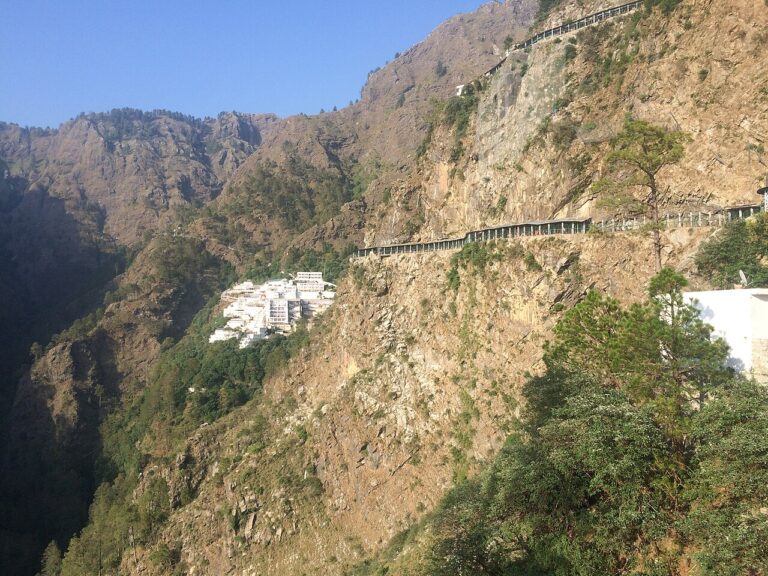
Vaishno Devi Yatra: Complete Guide to the Sacred Pilgrimage in Jammu
Vaishno Devi is one of India’s most sacred pilgrimage destinations, drawing millions of devotees each year to the Trikuta Mountains. This complete guide explores the history, legends, yatra route, spiritual significance, and best time to visit Mata Vaishno Devi, offering a meaningful look at a journey rooted in faith, devotion, and inner strength.

Ram Setu: The Ancient Bridge Between India and Sri Lanka
Ram Setu, also known as Adam’s Bridge, is one of India’s most fascinating heritage landmarks. Stretching between India and Sri Lanka, this ancient structure connects sacred texts, historical records, and modern scientific study in a way few sites in the world can.
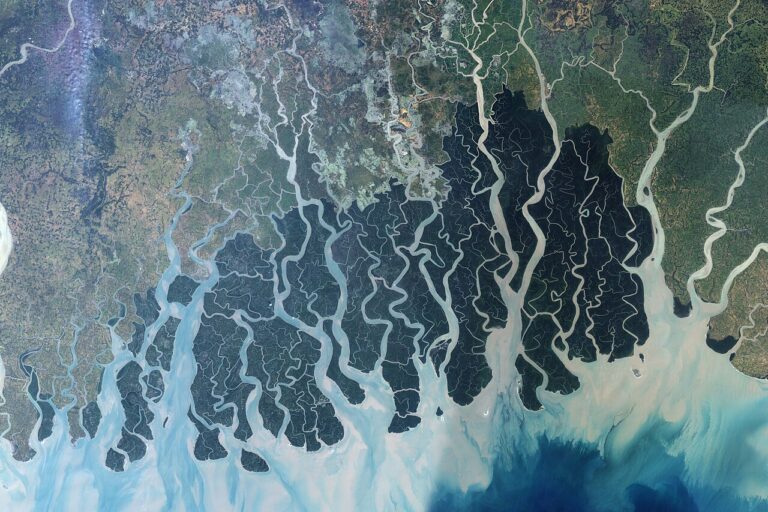
Sundarbans: The World’s Largest Mangrove Forest and Home of the Royal Bengal Tiger
The Sundarbans Forest in West Bengal is a unique natural heritage of India, known for its vast mangroves, rich biodiversity, and historical significance. This article explores its history, ecological importance, wildlife, and why conservation of the Sundarbans is vital.
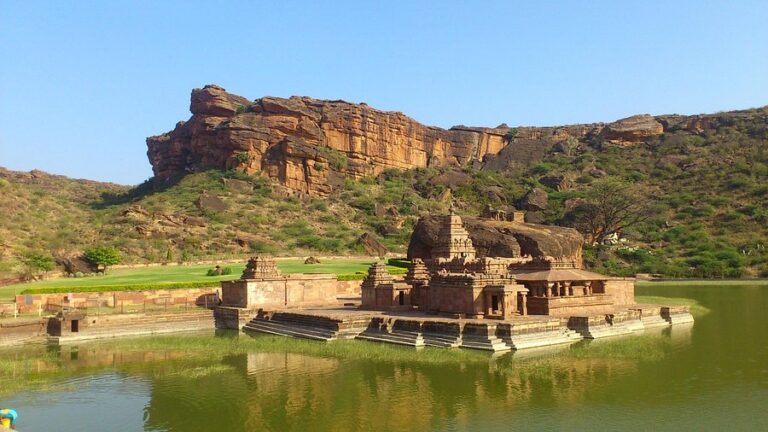
Badami Caves: The Early Chalukya Rock Temples of Karnataka
The Badami Caves in Karnataka are a remarkable heritage site of India, known for their ancient rock-cut architecture and historical significance. This article explores their history, artistic carvings, religious importance, and role in India’s architectural legacy.