Monuments of India
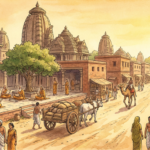
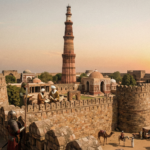
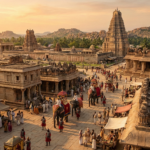
Indian monuments are more than stone structures and ancient walls. They are records of time that preserve the ideas, beliefs, skills, and stories of the people who built them. Across the country, from the snowy Himalayas to the coastal plains, monuments stand as reminders of powerful kingdoms, spiritual traditions, artistic excellence, and architectural mastery. Temples, forts, caves, palaces, stepwells, and memorials together form a living archive of India’s long and layered history.
These heritage sites help us understand how different dynasties ruled, how communities worshipped, how cities were planned, and how art and engineering evolved over centuries. A single monument can reveal details about trade routes, cultural exchanges, craftsmanship, and social life from a particular era. Whether it is a rock-cut cave temple, a grand Mughal fort, or a serene pilgrimage site, every monument has a purpose and a story that connects the past to the present.
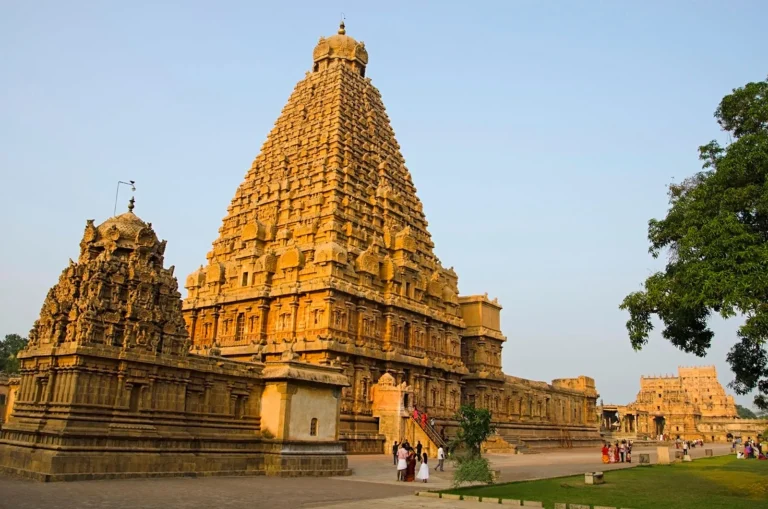
Brihadeeswarar Temple History: A Masterpiece of Chola Architecture
The Brihadeeswarar Temple is a magnificent example of Chola architecture, renowned for its grand vimana, detailed carvings, and historical significance. This article explores its history, architectural brilliance, and cultural importance in South India.