Indian Cricket Game Legacy: Passion, Pride and the Nation’s Identity
Indian cricket is not just a sport. It is an emotion — woven into the daily lives of over a billion people, felt in every gully and ground across the country, and carried in the hearts of Indians everywhere in the world. From neighbourhood matches played on dusty streets to World Cup finals watched by hundreds of millions, Indian cricket has built a legacy that goes far beyond statistics and trophies.
This is the story of how a colonial game became India’s greatest passion — and the extraordinary people who made it so.
The Origins of Cricket in India
Cricket arrived in India during British rule, introduced initially among the colonial elite and gradually adopted by the broader population. What began as a game of the privileged slowly became the game of the people — played in fields, streets, and empty plots across every state and language group in the country.
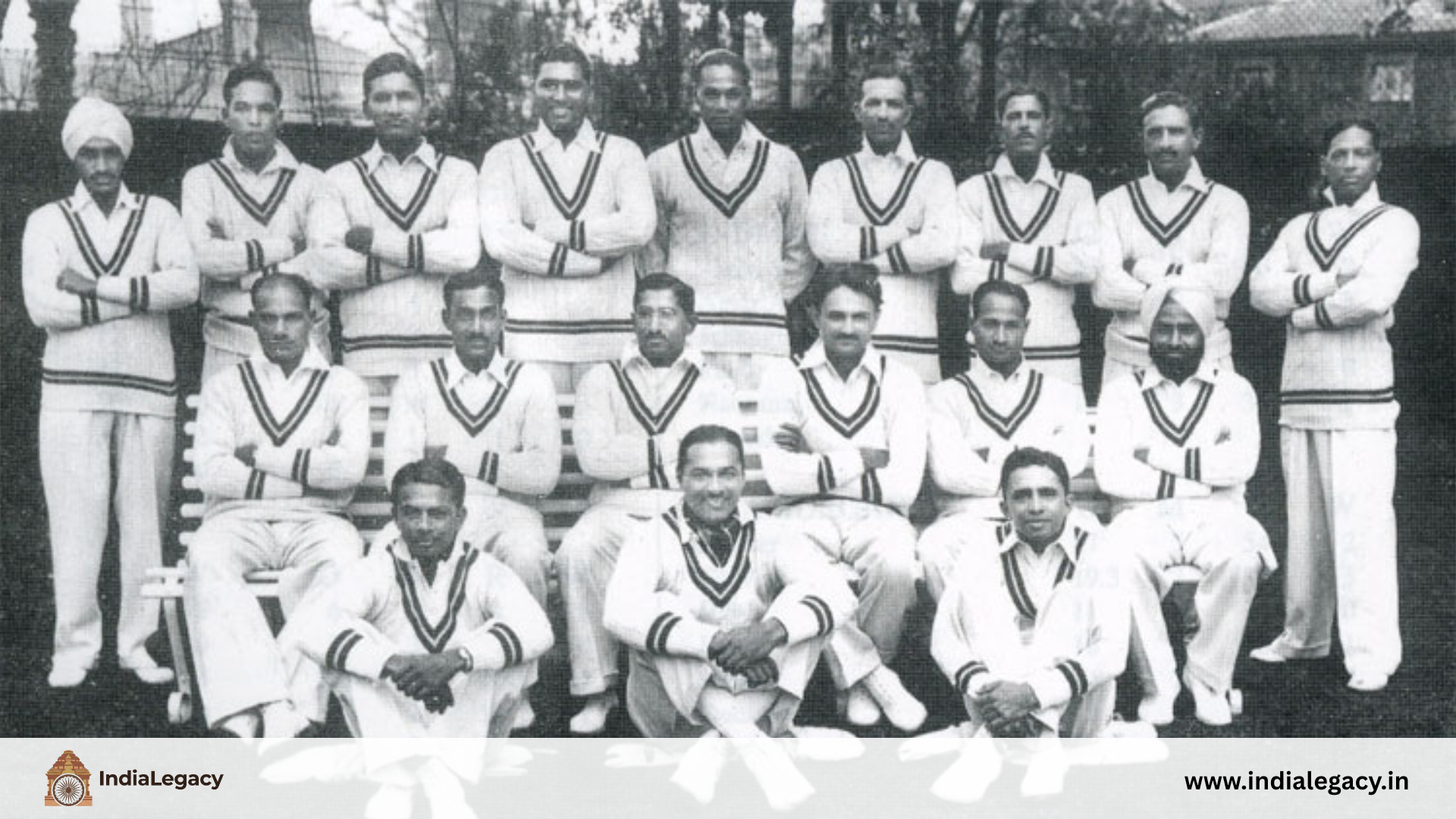
In 1932, India played their first official Test match, laying the foundation for what would become one of the most powerful cricketing nations in the world. That early chapter was modest in achievement but enormous in significance — it was the beginning.
The Early Legends of Indian Cricket
C K Nayudu — India’s First Test Captain
C K Nayudu holds a permanent place in Indian cricket history as the country’s first Test captain. He gave Indian cricket its earliest sense of organisation and professional direction at a time when the team was still finding its feet on the international stage.
| Full Name | Cottari Kanakaiya Nayudu |
|---|---|
| Born | 31 October 1895 |
| Role | All-rounder |
| Captaincy | India’s first Test captain |
| Era | 1930s – 1940s |
| Legacy | Pioneer of Indian international cricket |
Vijay Hazare — The Quiet Foundation
Vijay Hazare was among the first true heroes of Indian cricket. His technical skill and remarkable consistency gave Indian domestic cricket a strong base and inspired the generations that followed him.
| Full Name | Vijay Samuel Hazare |
|---|---|
| Born | 11 March 1915 |
| Role | Right-hand Batsman |
| Era | 1940s – 1950s |
| Known For | Building the foundation of Indian domestic cricket |
| Legacy | The Vijay Hazare Trophy is named in his honour |
Sunil Gavaskar — Giving Indian Cricket Its Self-Respect
If one player gave Indian cricket its self-respect on the international stage, it was Sunil Gavaskar. At a time when fast bowlers from the West Indies and Australia were genuinely feared, Gavaskar stood his ground without a helmet and without fear. He became the first batsman in history to score 10,000 Test runs — a record that announced to the world that India could produce greatness.
| Full Name | Sunil Manohar Gavaskar |
|---|---|
| Born | 10 July 1949 |
| Role | Opening Batsman |
| Batting Style | Right-hand Bat |
| Major Record | First batsman to score 10,000 Test runs |
| Legacy | Fearless batting and international credibility for India |
1983 World Cup — The Moment Everything Changed
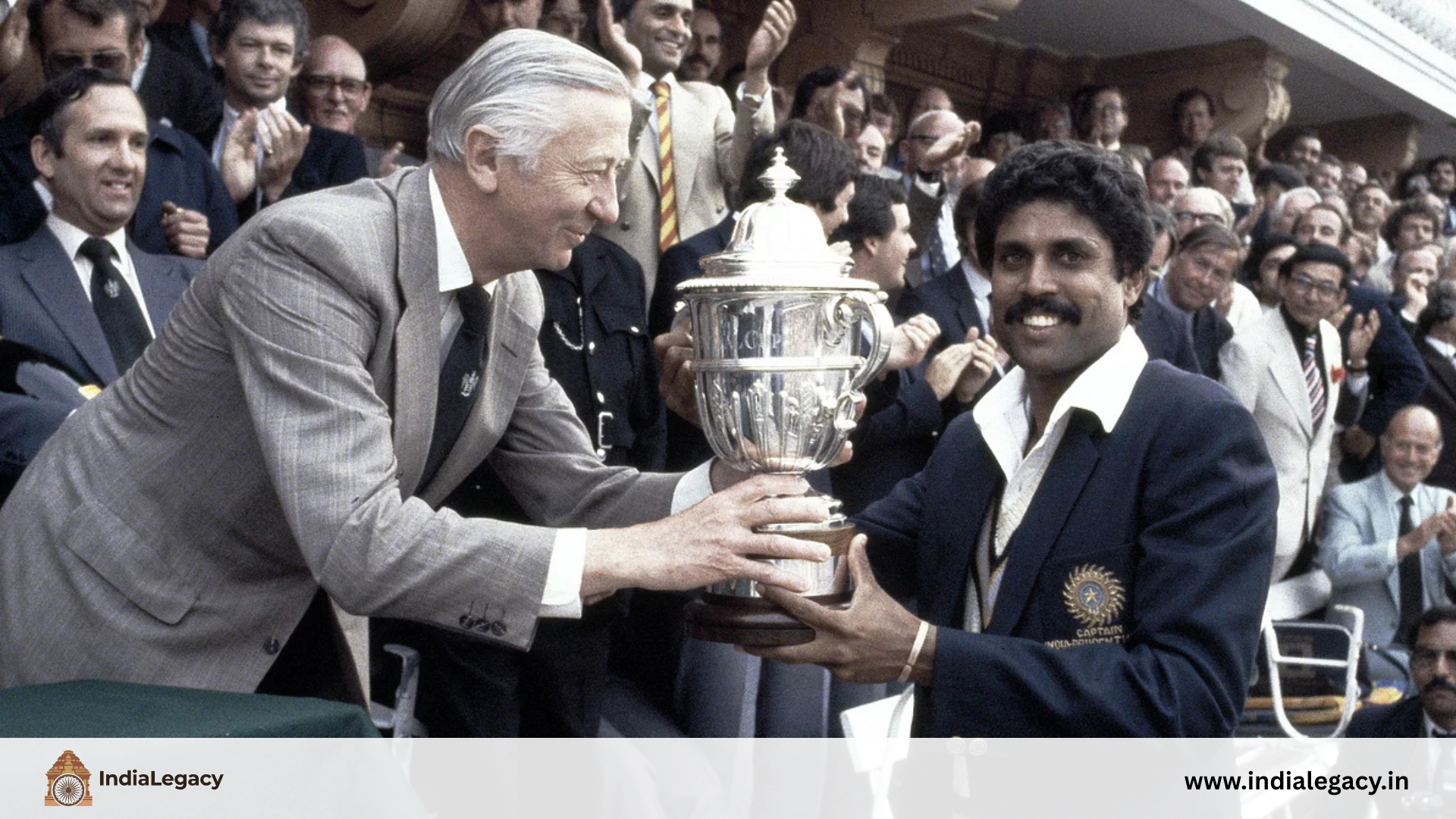
No single event transformed Indian cricket more completely than the 1983 World Cup victory. Under the captaincy of Kapil Dev, India defeated the two-time defending champions West Indies in the final at Lord’s Cricket Ground — a result that almost nobody had predicted.
That victory did not just win a trophy. It changed the relationship between India and cricket permanently. Cricket stopped being a sport Indians played and became something Indians lived. The 1983 triumph is, quite simply, the most important moment in Indian cricket history.
Kapil Dev — The Captain Who Changed Everything
Kapil Dev was the aggressive, fearless all-rounder who led India to their first World Cup. His iconic unbeaten 175 against Zimbabwe during that tournament — played without television cameras rolling, later confirmed only through descriptions and photographs — remains one of the greatest innings ever played under pressure.
| Full Name | Kapil Dev Nikhanj |
|---|---|
| Born | 6 January 1959 |
| Role | All-rounder |
| Captaincy | 1983 World Cup winning captain |
| Batting Style | Right-hand Bat |
| Bowling Style | Right-arm Fast |
| Legacy | The captain who made India believe |
Sachin Tendulkar — The God of Cricket
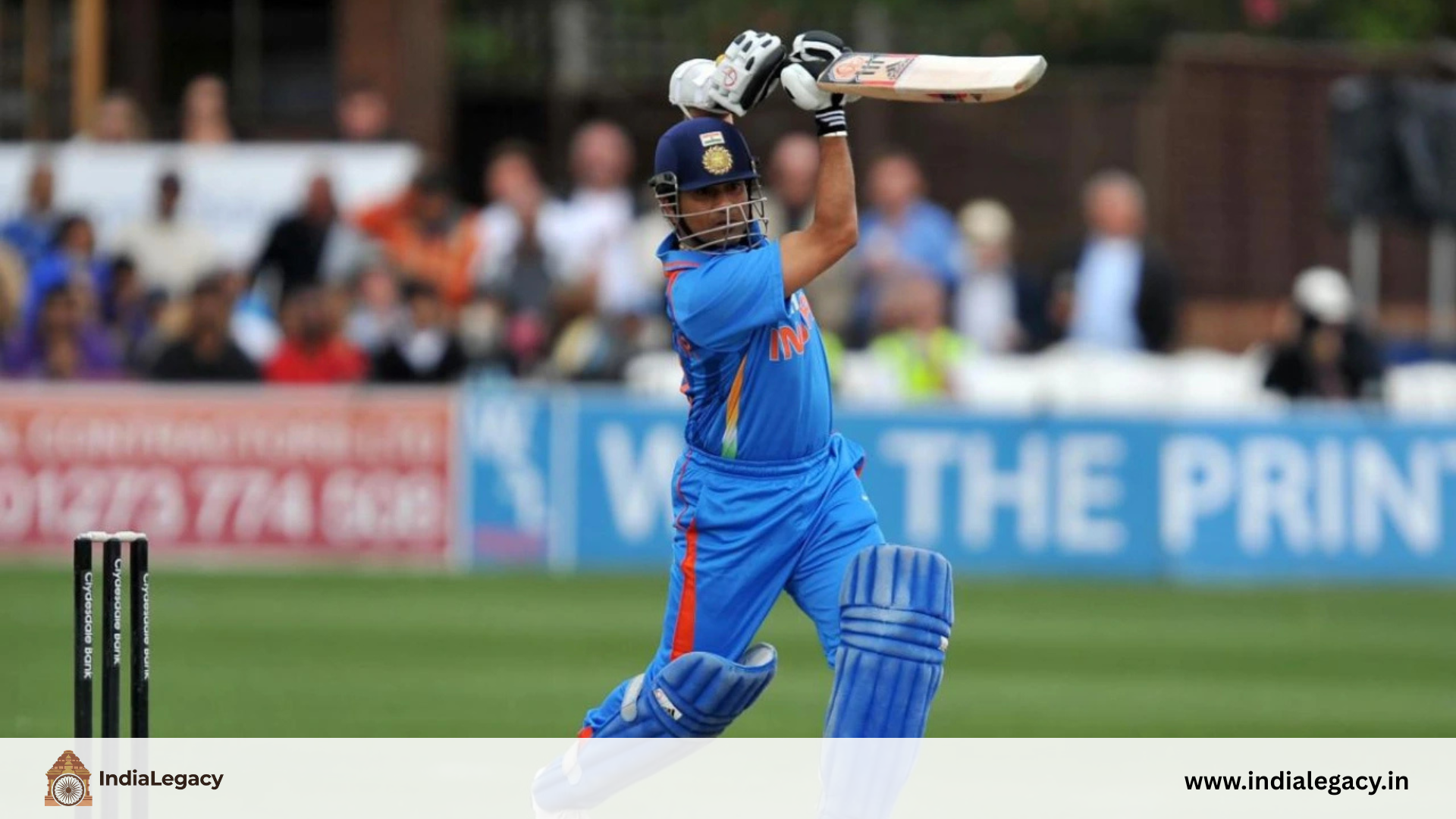
There have been great cricketers, and then there is Sachin Tendulkar. He debuted for India at 16 years old against one of the most fearsome bowling attacks of the era and went on to play international cricket for 24 years. By the time he retired, he had scored 100 international centuries — a record that may never be broken.
But statistics do not fully capture what Tendulkar meant to India. For two decades, the country stopped when he batted. He was not just a cricketer. He was a shared experience that united a billion people.
| Full Name | Sachin Ramesh Tendulkar |
|---|---|
| Born | 24 April 1973 |
| Role | Top-order Batsman |
| International Debut | 1989 vs Pakistan |
| Major Achievement | 100 International Centuries |
| Nickname | God of Cricket, Little Master |
| Legacy | The greatest batsman India has ever produced |
The Pillars of Team India
Sourav Ganguly — The Captain Who Built Modern India
Sourav Ganguly took over as captain at one of the most difficult periods in Indian cricket history — following the match-fixing scandal that had shaken the team and the nation’s trust. What he built over the next five years was remarkable: a fearless, aggressive, overseas-competitive Team India that believed it could win anywhere in the world.
| Full Name | Sourav Chandidas Ganguly |
|---|---|
| Born | 8 July 1972 |
| Role | Left-hand Batsman |
| Captaincy Era | 2000 – 2005 |
| Known For | Aggressive leadership and nurturing young talent |
| Legacy | Built the foundation of modern Team India |
Anil Kumble — India’s Greatest Match-Winner
Anil Kumble was the quiet warrior of Indian cricket. He took 619 Test wickets — second only to Shane Warne in the history of spin bowling. His most famous moment came in 1999 when he bowled an entire Test innings at the Feroz Shah Kotla with a broken jaw strapped in bandages. That image — of a man refusing to stop — defines what Kumble stood for.
| Full Name | Anil Radhakrishna Kumble |
|---|---|
| Born | 17 October 1970 |
| Role | Leg-spin Bowler |
| Major Record | 619 Test wickets |
| Best Remembered For | Bowling with a broken jaw against West Indies, 1999 |
| Legacy | India’s greatest match-winning bowler |
MS Dhoni — The Calmest Leader Indian Cricket Ever Saw
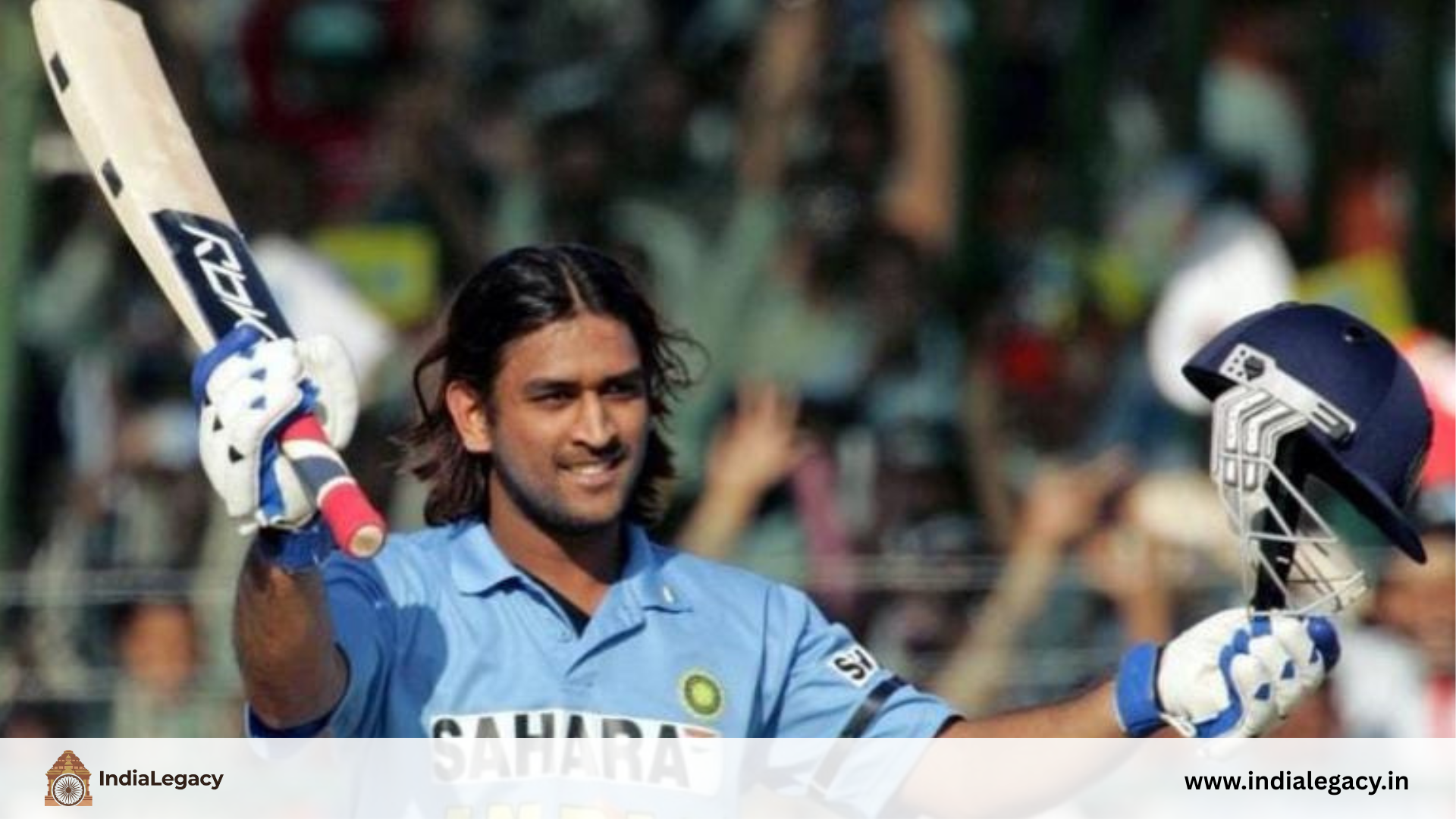
MS Dhoni achieved something no Indian captain had done before — he won all three major ICC trophies. The 2007 T20 World Cup, the 2011 ODI World Cup, and the 2013 Champions Trophy all came under his captaincy. But what made Dhoni extraordinary was not the trophies. It was the way he won them — with a calmness under pressure that seemed almost supernatural.
His six off Nuwan Kulasekara to win the 2011 World Cup final at Wankhede Stadium is the single most watched moment in Indian cricket history.
| Full Name | Mahendra Singh Dhoni |
|---|---|
| Born | 7 July 1981 |
| Role | Wicket-keeper Batsman |
| Captaincy Period | 2007 – 2016 |
| Major Titles | ICC T20 World Cup, ODI World Cup, Champions Trophy |
| Legacy | The calmest finisher and most successful captain in Indian cricket history |
Modern Indian Cricket — Virat Kohli and Rohit Sharma
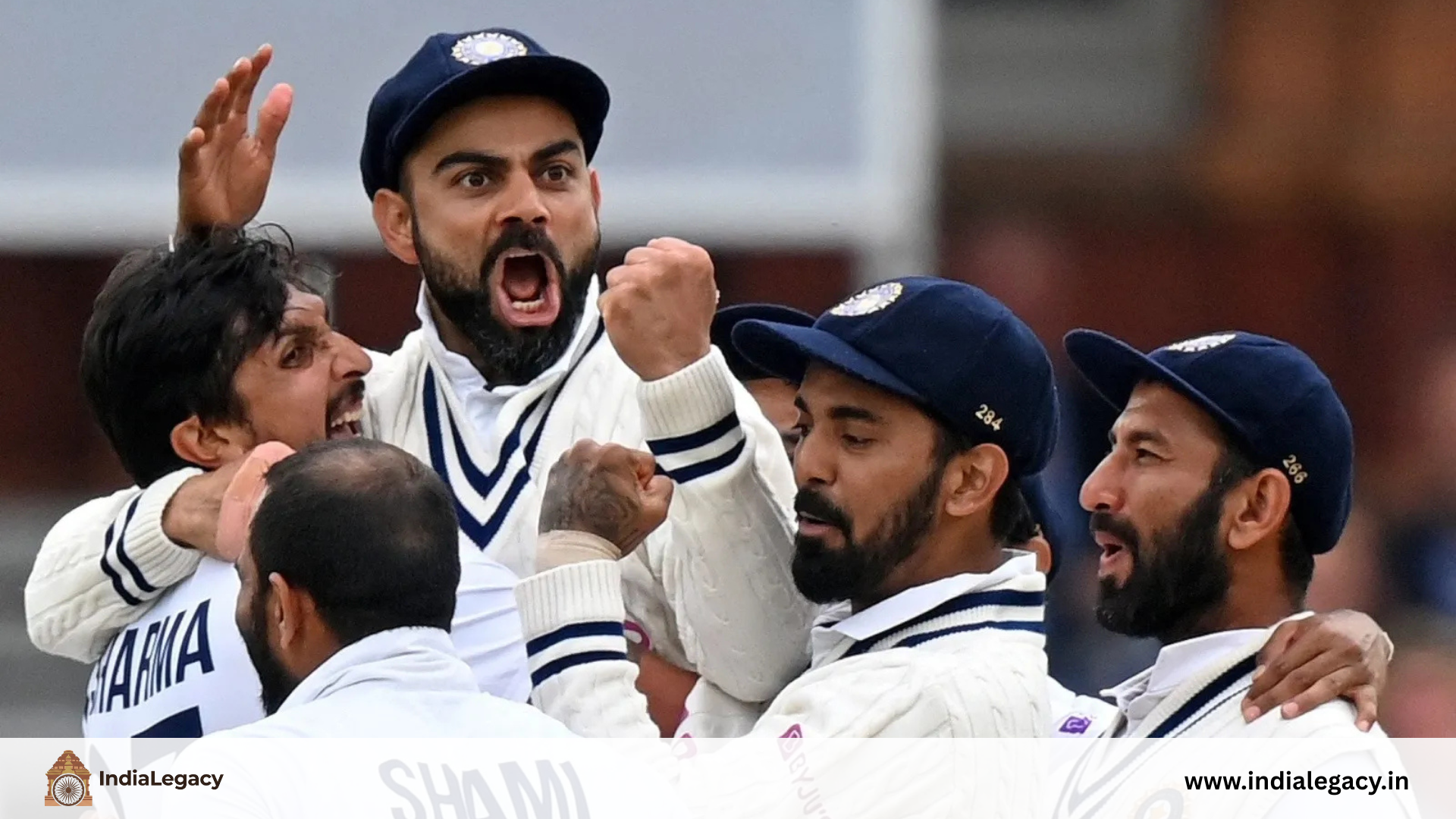
Virat Kohli — The Standard-Setter
Virat Kohli redefined what it means to be a professional cricketer in India. He made fitness a national conversation, raised the standard of aggression in Test cricket, and scored runs at a rate that puts him among the greatest batsmen of any generation. His record in overseas Test matches — the true measure of a great batsman — is one of the finest in the history of the game.
| Full Name | Virat Kohli |
|---|---|
| Born | 5 November 1988 |
| Role | Top-order Batsman |
| Batting Style | Right-hand Bat |
| Known For | Fitness, aggression, and consistency across all formats |
| Legacy | The defining run-scorer of modern Indian cricket |
Rohit Sharma — Elegance and Power Combined
Rohit Sharma is the most naturally gifted batsman of his generation. His timing is effortless, his placement immaculate, and when he is set, he hits the ball with a power that belies how easy it looks. He holds the record for the highest individual score in ODI cricket — 264 — and has hit three ODI double centuries, a record no other batsman in the world has matched.
| Full Name | Rohit Gurunath Sharma |
|---|---|
| Born | 30 April 1987 |
| Role | Opening Batsman |
| Major Record | Three ODI double centuries — a world record |
| Batting Style | Right-hand Bat |
| Legacy | The most elegant and destructive opener in Indian cricket history |
The Evolution of Indian Bowling
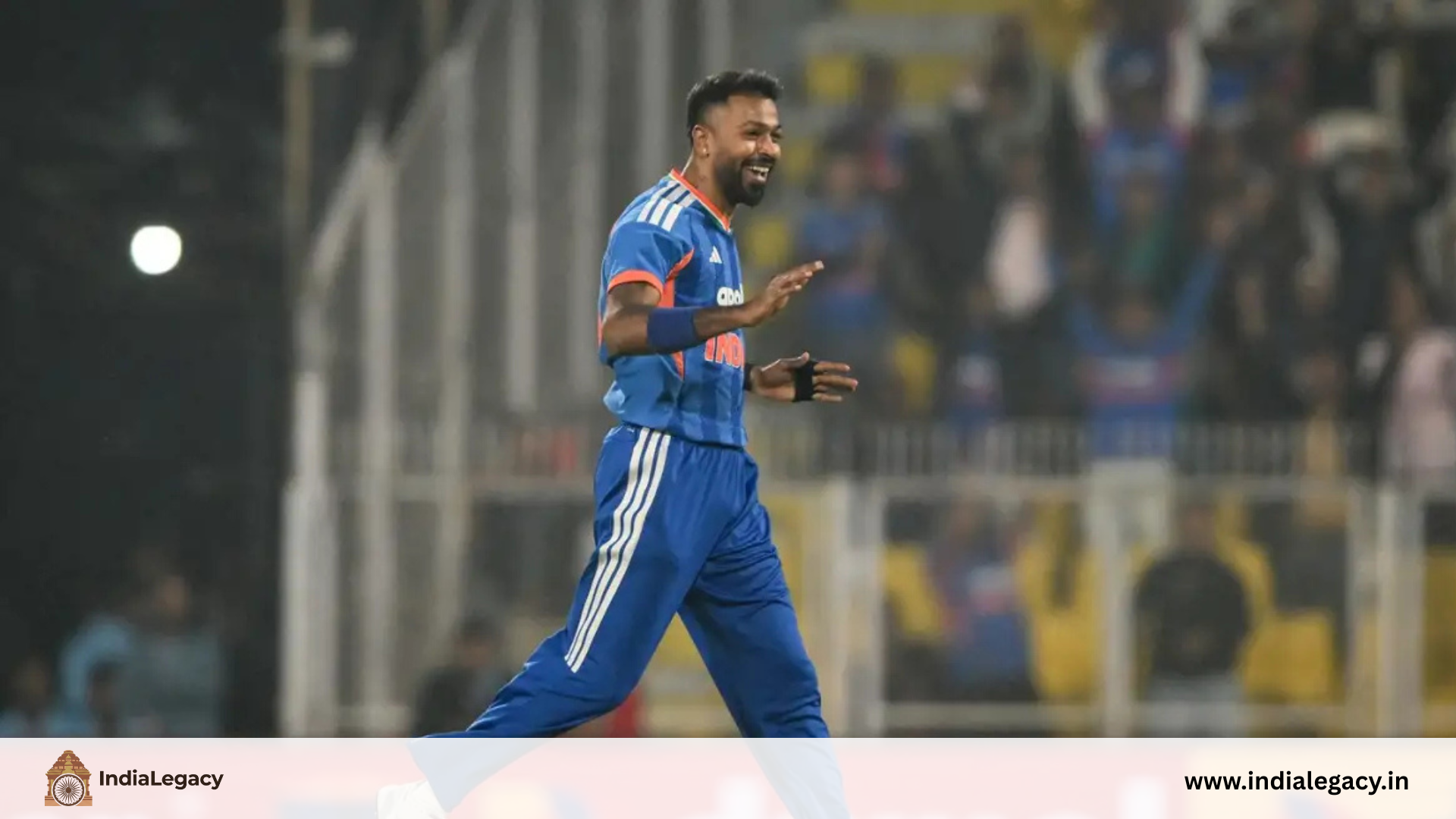
Jasprit Bumrah — Redefining Fast Bowling
Jasprit Bumrah brought something entirely new to Indian fast bowling. His unconventional action, his ability to bowl at pace from an awkward release point, and his mastery of the yorker have made him one of the most difficult bowlers to face in world cricket. He is equally effective in Tests, ODIs, and T20s — a rare combination.
| Full Name | Jasprit Jasbirsingh Bumrah |
|---|---|
| Born | 6 December 1993 |
| Role | Fast Bowler |
| Bowling Style | Right-arm Fast |
| Known For | Unorthodox action and deadly yorkers in all conditions |
| Legacy | India’s greatest pace spearhead of the modern era |
Ravichandran Ashwin — The Thinking Bowler
Ravichandran Ashwin is the most complete spin bowler India has produced since Anil Kumble. What separates Ashwin from most spinners is his approach — he treats every batsman as a puzzle to be solved, constantly developing new variations and strategies. He has over 500 Test wickets and is widely regarded as one of the greatest off-spinners in cricket history.
Women’s Cricket — A Legacy of Courage and Growth
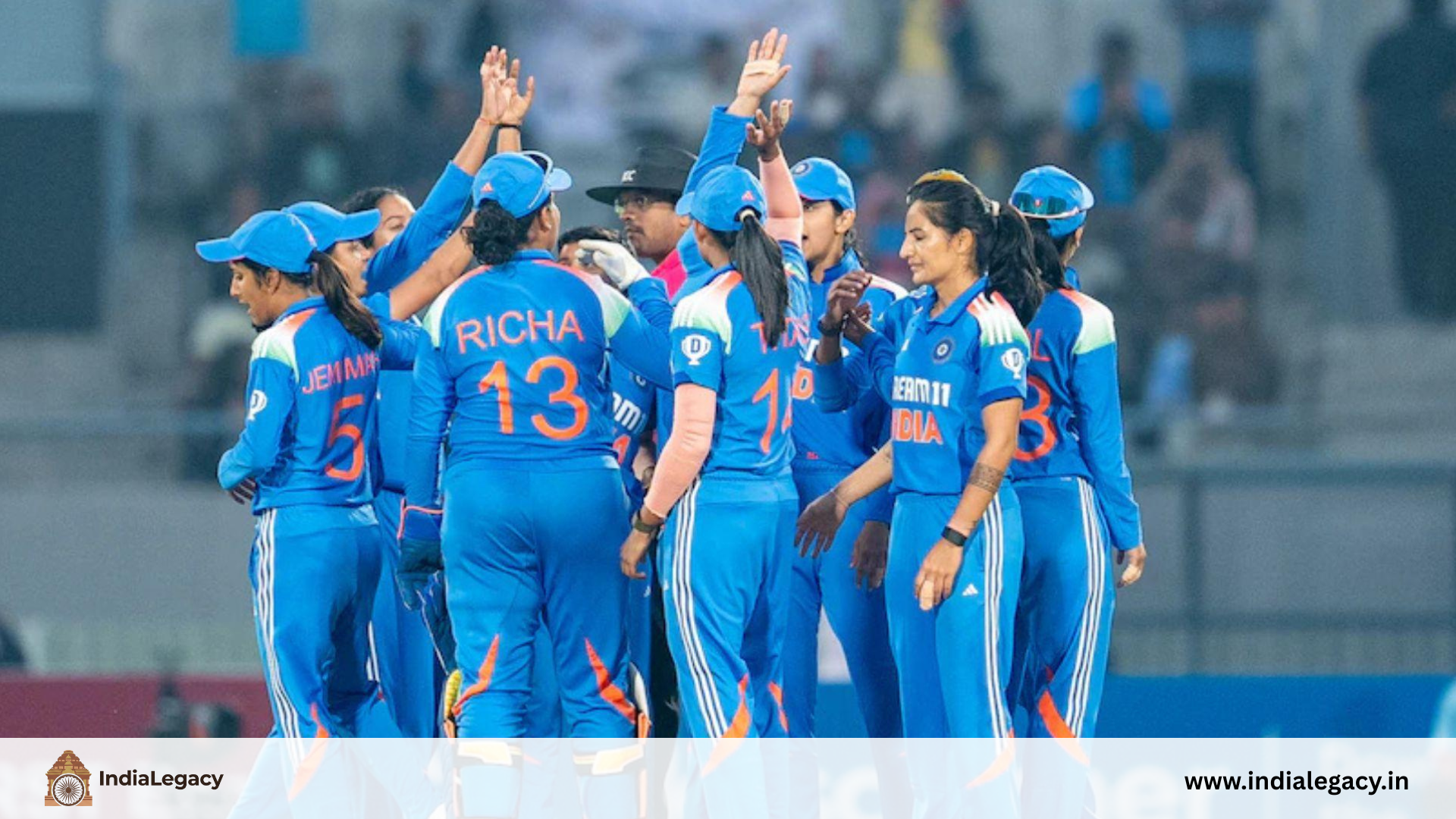
Indian women’s cricket has undergone a transformation in the last two decades that is nothing short of remarkable. From playing in near-empty stadiums to filling the Wankhede and the Eden Gardens, the women’s team has earned its place at the heart of Indian cricket culture.
Mithali Raj — The Greatest of All Time
Mithali Raj is the highest run-scorer in the history of women’s international cricket. Her consistency, composure, and longevity at the top of the order across two decades of international cricket set a standard that inspired an entire generation of young women to take up the sport seriously.
| Full Name | Mithali Dorai Raj |
|---|---|
| Born | 3 December 1982 |
| Role | Top-order Batswoman |
| Captaincy | Indian Women’s Team (multiple stints) |
| Major Record | Highest run-scorer in women’s ODI cricket history |
| Legacy | The greatest women’s cricketer India has ever produced |
Harmanpreet Kaur — The New Face of Women’s Cricket
Harmanpreet Kaur announced herself to the world with a stunning unbeaten 171 against Australia in the 2017 Women’s World Cup semi-final — an innings that many who watched it rate among the greatest ever played in women’s cricket. She brought aggression, power, and a fearless mindset to Indian women’s cricket that changed how the team approached big matches.
| Full Name | Harmanpreet Kaur Bhullar |
|---|---|
| Born | 8 March 1989 |
| Role | All-rounder |
| Batting Style | Right-hand Bat |
| Known For | Aggressive batting and fearless approach in pressure matches |
| Legacy | The defining face of modern Indian women’s cricket |
Indian Men’s Cricket Team — World Cricket’s Powerhouse
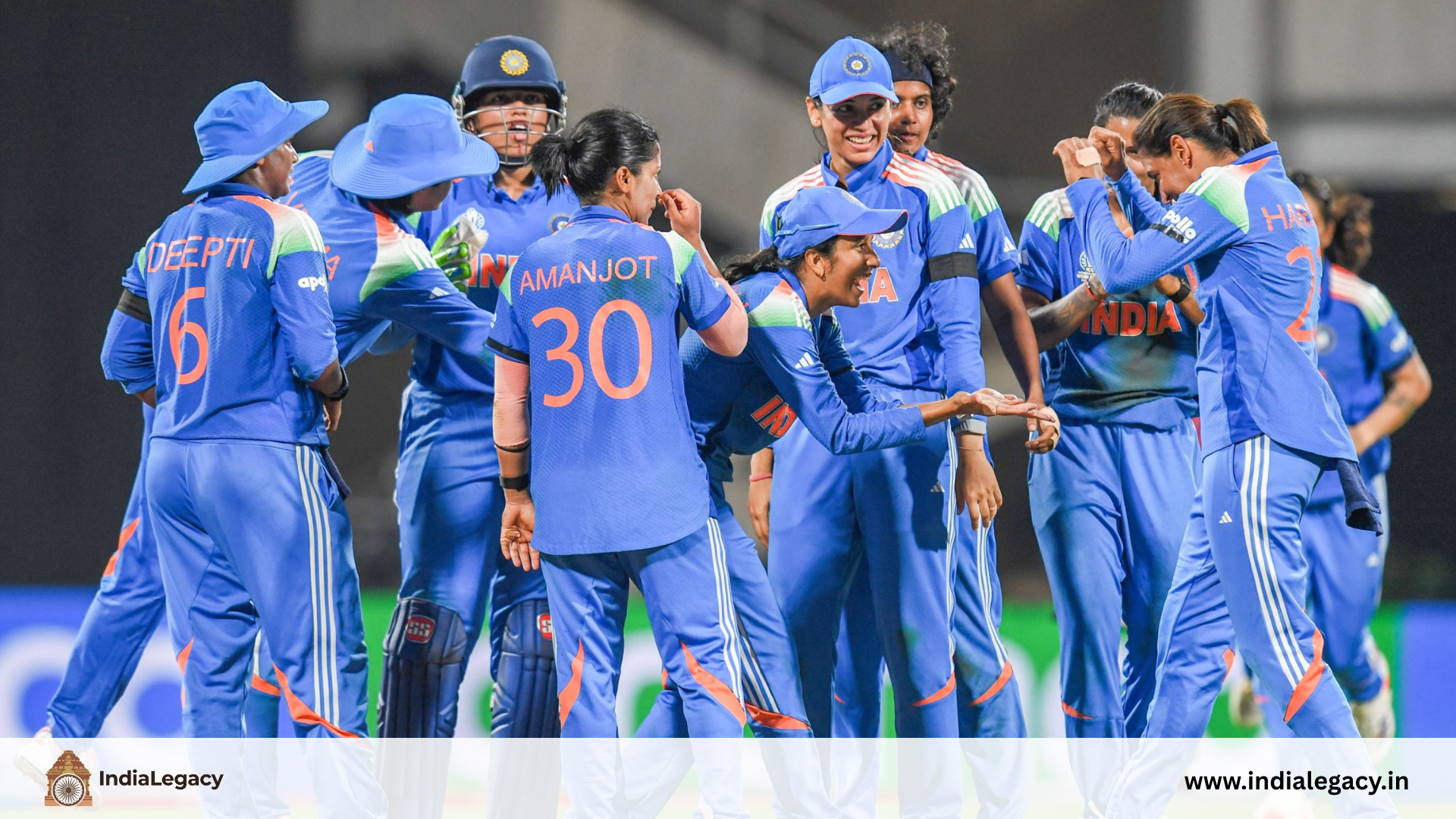
The Indian men’s cricket team today is the most powerful and financially significant team in world cricket. India’s dominance at home is well established, but the modern team has also learned to win overseas — in England, Australia, and South Africa — building a record of away victories that would have seemed impossible a generation ago.
The Board of Control for Cricket in India (BCCI) is the richest cricket board in the world, and the Indian Premier League has transformed not just Indian cricket but the global game. Players from every cricketing nation want to play in India. Brands from every industry want to be associated with Indian cricket. The transformation from a nation that once struggled to compete to one that now sets the agenda for world cricket is one of sport’s great stories.
Indian Women’s Cricket Team — Confidence, Growth and a New Identity
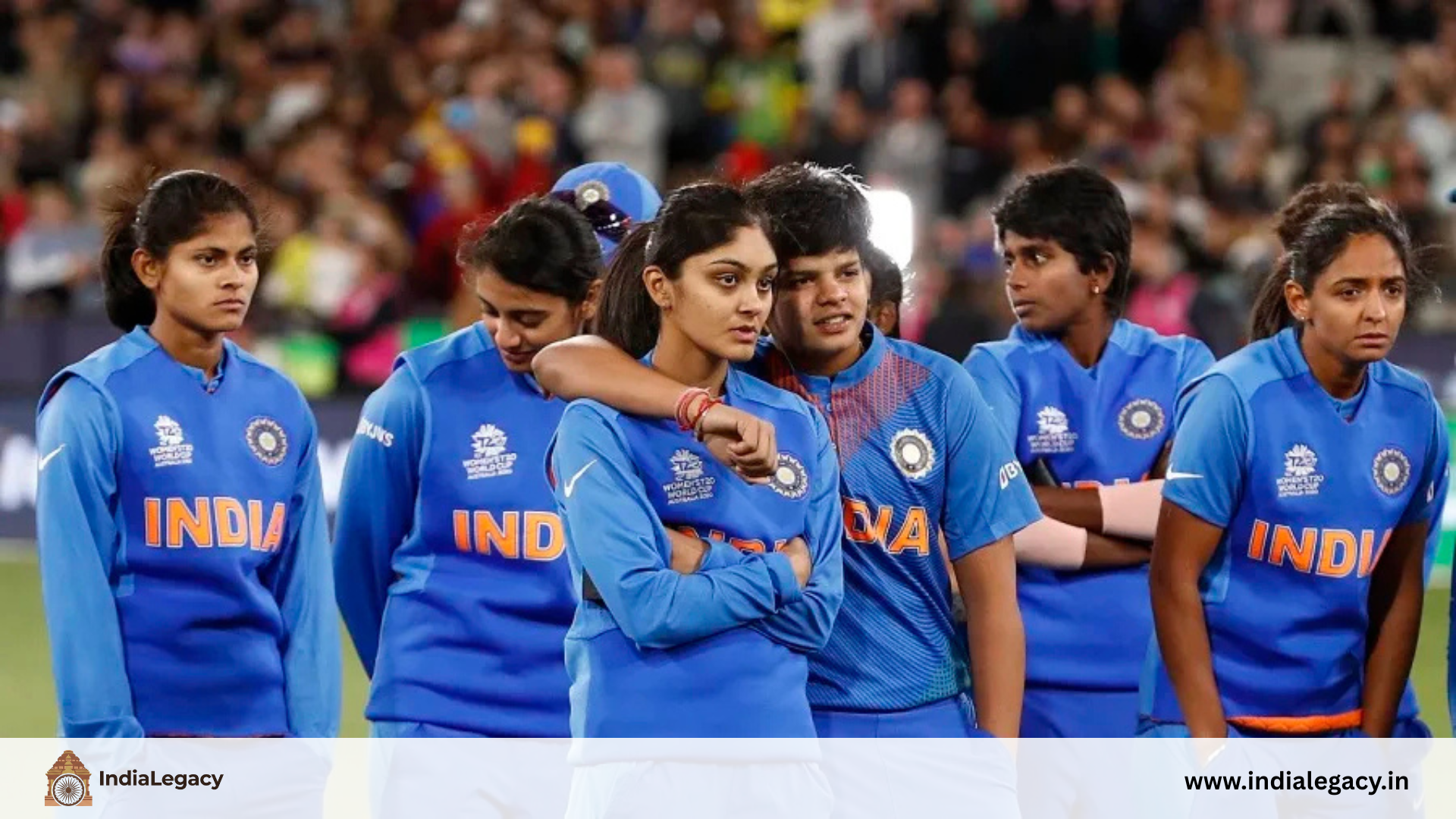
The Indian Women’s Cricket Team’s story is no longer just one of struggle and perseverance. It is a story of belief, breakthrough, and a growing place at the centre of Indian sporting culture. World Cup finals, packed stadiums, and an expanding base of young women playing cricket across the country — the women’s game in India has arrived, and it is here to stay.
Frequently Asked Questions
When did India play their first Test match?
India played their first official Test match in 1932, against England at Lord’s Cricket Ground in London. The team was captained by C K Nayudu, who became India’s first Test captain.
Why is 1983 considered the most important year in Indian cricket history?
In 1983, India won their first Cricket World Cup under the captaincy of Kapil Dev, defeating two-time defending champions West Indies in the final at Lord’s. This victory permanently changed India’s relationship with cricket — transforming it from a sport into a national passion.
How many international centuries has Sachin Tendulkar scored?
Sachin Tendulkar scored 100 international centuries across Tests and ODIs — a record that no other batsman in the history of cricket has come close to matching.
Which ICC trophies has MS Dhoni won as captain?
MS Dhoni won all three major ICC trophies as captain of India — the ICC T20 World Cup in 2007, the ICC ODI World Cup in 2011, and the ICC Champions Trophy in 2013. He is the only captain in cricket history to have won all three.
Who holds the record for the highest individual score in ODI cricket?
Rohit Sharma holds this record with an unbeaten innings of 264 against Sri Lanka in 2014. He also holds the record for the most ODI double centuries, having scored three — a record no other batsman in the world has matched.
Who is the highest run-scorer in women’s ODI cricket?
Mithali Raj is the highest run-scorer in the history of women’s ODI cricket. She played international cricket for India across two decades and is widely regarded as the greatest women’s cricketer India has ever produced.
What makes Jasprit Bumrah different from other fast bowlers?
Jasprit Bumrah’s unconventional bowling action — generated from a short run-up with a distinctive release point — makes him extremely difficult to face. Combined with his ability to consistently bowl accurate yorkers at high pace in all conditions, he is considered one of the best fast bowlers in world cricket today.
How has the IPL changed Indian cricket?
The Indian Premier League, launched in 2008, has transformed Indian cricket at every level. It has created a pathway for young Indian talent to play alongside world-class internationals, raised fitness and skill standards across the game, and made the BCCI the most powerful and financially dominant cricket board in the world.
Conclusion
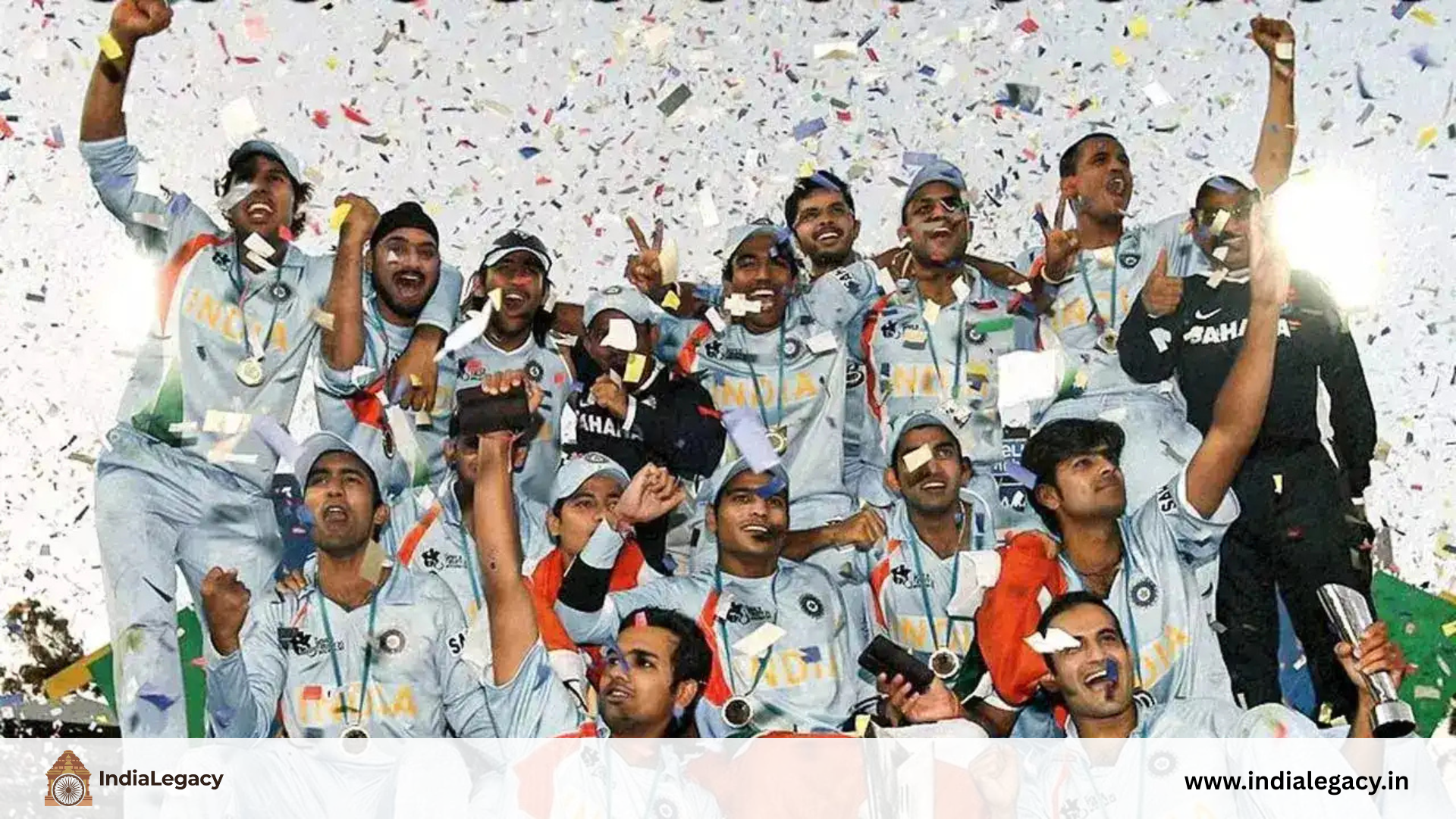
The legacy of Indian cricket is not simply a list of records and trophies. It is the story of a nation finding its confidence through sport — of a team that went from struggling to compete to setting the standard for the world.
Every era has produced its heroes, and every generation has dared to dream bigger than the one before. From C K Nayudu’s first Test cap to Rohit Sharma’s World Cup victories, from Mithali Raj’s quiet excellence to Harmanpreet Kaur’s explosive brilliance — Indian cricket’s legacy is built on talent, sacrifice, and an unbreakable connection between players and the people who love them.
That legacy is still being written. And the best, in all likelihood, is yet to come.