
Saint Sylvester’s Day: History, Meaning, and Traditions of New Year’s Eve
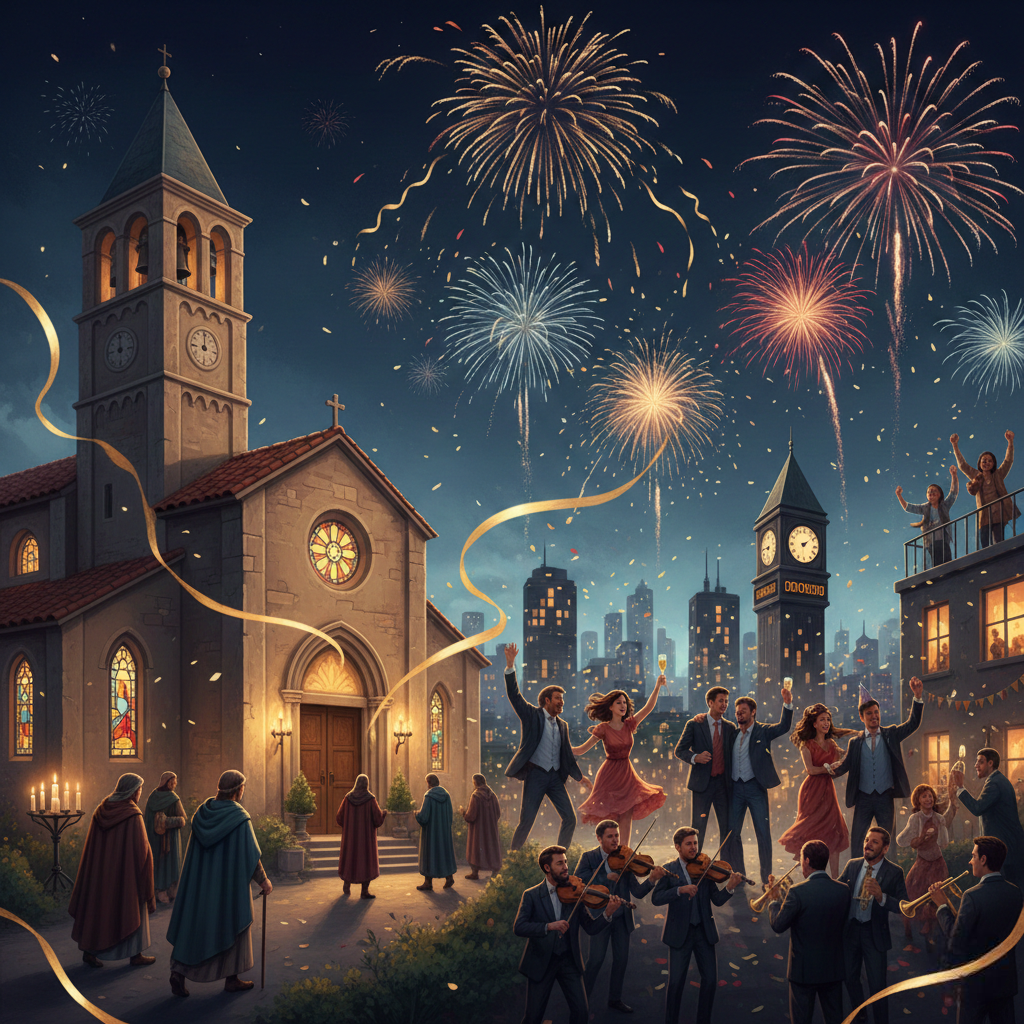
Saint Sylvester’s Day is observed every year on 31 December, the final day of the calendar year. While most of the world recognizes this date as New Year’s Eve, several European countries traditionally refer to it as Saint Sylvester’s Day, Old Year’s Day, or Old Year’s Night. The observance carries both religious and cultural importance, symbolizing the close of one year and the hopeful beginning of another.
Who Was Saint Sylvester?
Saint Sylvester I was the 33rd Pope of the Catholic Church, serving from 314 to 335 AD during the reign of Emperor Constantine the Great. His papacy marked a turning point in Christian history, as Christianity moved from persecution to acceptance within the Roman Empire.
Saint Sylvester passed away on 31 December 335 AD. Over time, this date became associated with his remembrance in the Christian calendar, eventually linking his name with the final day of the year.
Why Is New Year’s Eve Called Saint Sylvester’s Day?
The connection lies in the date of Saint Sylvester’s death. As the Gregorian calendar became widely adopted, 31 December naturally became the closing day of the year. In many parts of Europe, especially Germany, Austria, Switzerland, Poland, and Hungary, New Year’s Eve is still commonly referred to as “Silvester”.
This naming reflects the blending of Christian tradition with the natural human practice of marking the passage of time.
Religious Significance of Saint Sylvester’s Day
For Christians, Saint Sylvester’s Day is a time of reflection, gratitude, and prayer. Many churches hold special evening services on 31 December, offering thanks for the past year and seeking blessings for the year ahead.
- Reflection on personal and spiritual growth
- Gratitude for life’s experiences
- Renewal of faith and purpose
Old Year’s Day and Old Year’s Night
The terms Old Year’s Day and Old Year’s Night highlight the symbolic transition between time periods. Across cultures, this moment represents closure, letting go of the past, and preparing mentally and spiritually for new beginnings.
This idea of transition is universal and exists far beyond religious boundaries.
Global Traditions and Celebrations
Today, Saint Sylvester’s Day is celebrated worldwide as New Year’s Eve with diverse customs and traditions. While the religious roots remain strong in some regions, many people observe the day through cultural and social celebrations.
- Midnight countdowns
- Fireworks symbolizing joy and renewal
- Family gatherings and community feasts
- New Year resolutions for personal improvement
In several European countries, fireworks on Silvester Night are believed to chase away bad luck and welcome good fortune.
Modern Cultural Importance
In the modern world, Saint Sylvester’s Day represents unity through shared human experience. Regardless of religious belief, people across the globe pause on this night to reflect, celebrate, and look forward with hope.
The day reminds us that endings are not final but gateways to new opportunities.
Conclusion
Saint Sylvester’s Day, also known as New Year’s Eve or Old Year’s Night, is more than just a celebration. Rooted in Christian history and embraced by global culture, it marks the end of one chapter and the beginning of another.
As the old year comes to a close, Saint Sylvester’s Day invites reflection, gratitude, and optimism for the journey ahead.