Ajanta Caves Maharashtra: History and Heritage of India
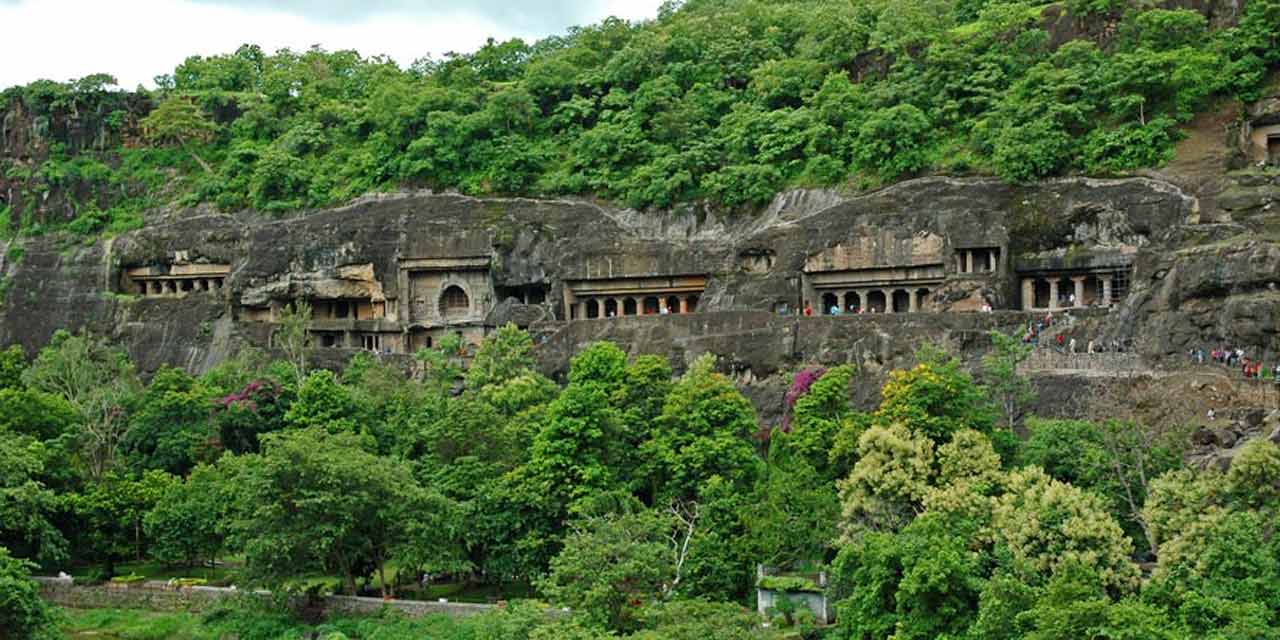
Ajanta Caves represent one of the world’s greatest concentrations of ancient Buddhist rock-cut architecture and painting, carved into horseshoe-shaped basalt cliffs along the Wagura River in Maharashtra. Created across two distinct periods (2nd century BCE to 6th century CE), these 30 caves blend chaitya prayer halls, vihara monasteries and exquisite murals depicting Jataka tales, Buddha’s life and ancient Indian society.
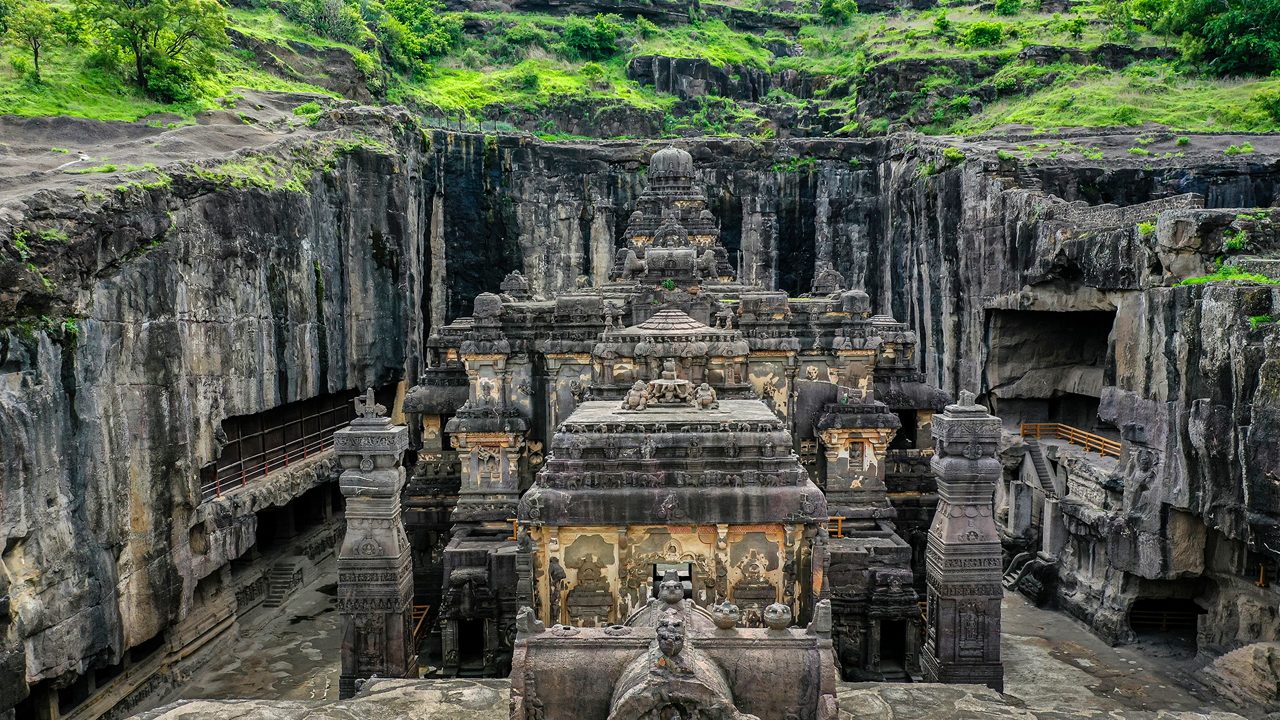
Rediscovered in 1819 by British officer John Smith, Ajanta’s faded paintings – once rivaling Renaissance masterpieces – reveal 1,500-year-old colors through advanced conservation. UNESCO World Heritage Site since 1983, the caves showcase Hinayana and Mahayana Buddhism’s evolution alongside unparalleled artistic achievement from Satavahana, Vakataka and Gupta eras.
Overview Table of Ajanta Caves
| Aspect | Details |
|---|---|
| Location | Aurangabad District, Maharashtra (Wagura River valley) |
| Number of Caves | 30 (5 chaitya halls, 25 viharas) |
| Periods | Phase I: 2nd BCE-1st CE (Satavahana); Phase II: 5th-6th CE (Vakataka) |
| Patrons | Monks, merchants, Vakataka kings (Harishena) |
| Architecture | Rock-cut chaityas, viharas, stupas |
| Famous Paintings | Cave 1, 2, 16, 17 Jataka tales, Buddha life |
| UNESCO Status | World Heritage Site (1983) |
| Rediscovery | 1819 by British officer John Smith |
| Conservation | UNESCO, ASI since 1920s |
Two Phases of Ajanta Creation
Phase I: Satavahana Period (2nd BCE-1st CE)
First phase created 6 major caves during Satavahana rule – simple Hinayana chaityas (Caves 9, 10, 12, 13) and viharas emphasizing stupa worship without Buddha images. Cave 10 (2nd BCE) world’s oldest surviving painted cave interior. Monsoon retreats for traveling monks.
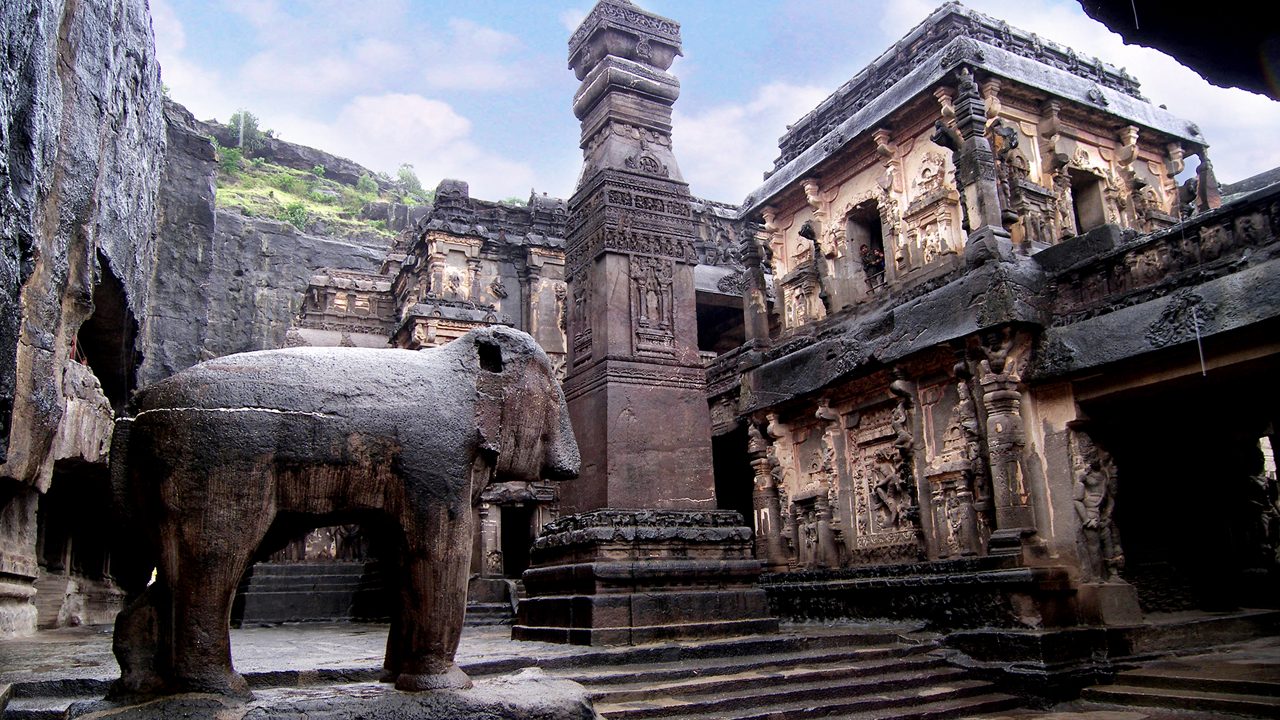
Cave 9’s horseshoe facade, ribbed vault resembles early wooden architecture translated stone. Cave 10 preserves rare early paintings – traders, elephants, Buddha symbolic motifs (empty throne, footprints).
Phase II: Vakataka Golden Age (5th-6th CE)
Second phase (460-480 CE) under Vakataka king Harishena produced 24 magnificent caves blending Mahayana iconography with Gupta artistic peak. Cave 16 (Varahadeva), Cave 17, Cave 1, Cave 2 masterpieces feature seated Buddha statues, Jataka narratives, opulent donor portraits.
Sudden abandonment ~480 CE coincided Vakataka decline – caves forgotten 1,300 years until British rediscovery.
Cave Architecture: Chaitya and Vihara Design
Chaitya Prayer Halls
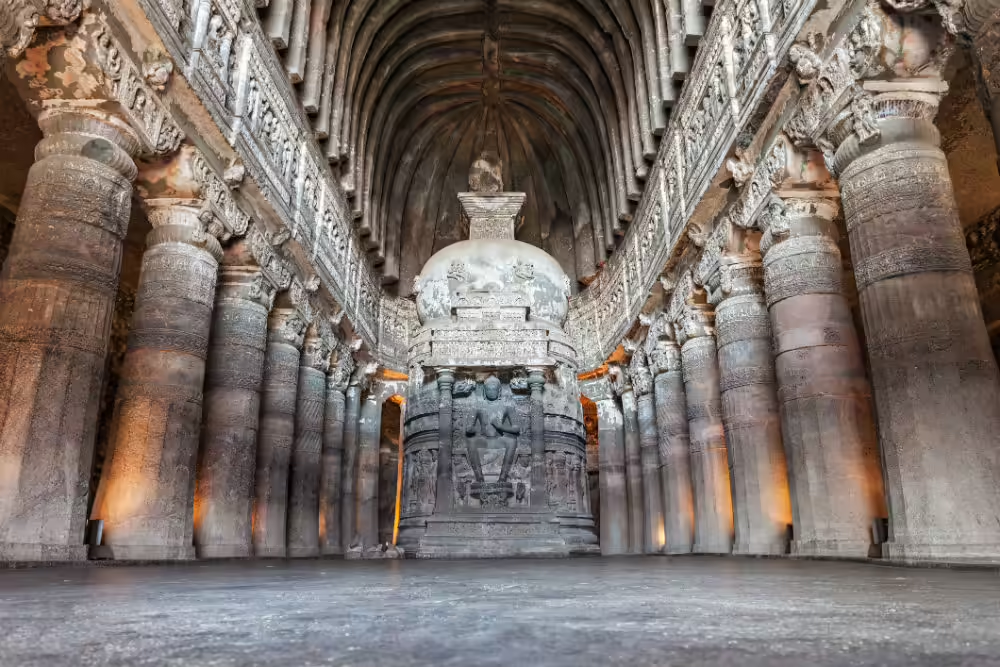
Five chaitya halls (9, 10, 19, 26, 29) follow basilica plan – apsidal nave, aisles, stupa altar, vaulted ceilings imitating wooden architecture. Cave 26’s colossal reclining Buddha (23 ft), dramatic death scene panels represent late Mahayana grandeur.
Horseshoe windows admit light to stupa, ribbed vaults create cathedral atmosphere. Cave 19’s ornate facade with guardian figures marks transition from austere Hinayana to exuberant Mahayana.
Vihara Monasteries
25 viharas served monk dormitories – central pillared hall surrounded monk cells, shrine Buddha image rear wall. Cave 1’s symmetrical perfection, Cave 4’s massive scale (largest vihara) demonstrate architectural maturity.
Cave 16 verandah features dramatic Bodhisattva Padmapani fresco overlooking Wagura valley – world’s most famous ancient Indian painting.
World-Famous Ajanta Paintings
Jataka Tales Narrative Cycles
Cave 1, 2, 17 walls depict 30 Jataka stories – Buddha’s past lives as prince, merchant, deer, elephant teaching morality. Vibrant mineral colors (red ochre, lapis lazuli, malachite) retain luminosity after 1,500 years.
Cave 17’s Prince Vessantara Jataka (generosity) spans multiple panels creating world’s oldest comic strip-style storytelling in fresco.
Buddha Life and Bodhisattvas
Cave 1’s Bodhisattva Avalokiteshvara, Cave 2’s multiple Buddhas, Cave 16’s compassionate Padmapani represent Mahayana pantheon. Expressive faces, flowing robes, jewel-like colors capture Gupta classical realism.
Secular scenes – royal donors, musicians, dancers, elephants reveal 5th century Deccan fashion, jewelry, architecture, daily life.
Sculpture and IconographyBuddha Images Evolution
Hinayana caves feature symbolic aniconism (empty throne, footprints). Mahayana introduces monumental Buddha statues – Cave 19 seated Buddha, Cave 26’s 23-ft reclining Parinirvana Buddha, dying attendants.
Bodhisattvas Padmapani, Vajrapani, Manjusri display princely elegance, lotus symbolism, multiple arms representing supernatural powers.
Architectural Sculpture
Intricate pillars – fluted shafts, pot-bellied capitals, narrative friezes. Cave entrances guarded by dvarapalas, yakshis, nagas. Lotus ceilings, torana arches blend indigenous Indian motifs with Gandhara influences.
Rediscovery and Conservation Drama
1819 British Rediscovery
Captain John Smith hunting tiger stumbled upon cave cluster – forgotten 1,300 years after Buddhism’s decline. Early explorers damaged paintings copying, smoke exposure. Bombay Cave Temple Commission 1840s attempted documentation.
20th Century Rescue Mission
UNESCO/ASI conservation since 1920s – injected consolidants, microclimate control, visitor limits saved paintings from collapse. Japanese team 1950s photographed 1,000+ panels before further loss. Digital restoration reveals original vibrancy.
Cultural and Religious Significance
Buddhism’s Artistic Golden Age
Ajanta documents Hinayana-Mahayana transition, Vakataka court culture, Deccan trade prosperity. Paintings preserve lost Sanskrit/Gandhari texts through visual Jataka narratives influencing Southeast Asia.
Vihara cells, chaitya acoustics optimized monk meditation, communal chanting – acoustic engineering perfected 1,500 years ago.
Visiting Ajanta: Modern Experience
UNESCO Conservation Site
Two-hour guided tours essential – electric vehicles shuttle from parking (2km). Caves 1, 2, 16, 17, 19, 26, 29 viewing priority. Photography prohibited interiors protecting fragile paintings.
Viewpoint above caves reveals horseshoe layout resembling mammoth. Sound-light show evenings recreates ancient monastic life.
Frequently Asked Questions About Ajanta Caves
1. Where located Ajanta Caves?
Ajanta Caves cluster in horseshoe ravine Wagura River valley, 100km Aurangabad, Maharashtra – ancient Buddhist monastic complex 2nd BCE-6th CE.
2. How many phases Ajanta construction?
Two phases: Phase I (2nd BCE-1st CE Satavahana Hinayana chaityas), Phase II (5th-6th CE Vakataka Mahayana golden age with paintings).
3. Famous paintings which Ajanta caves?
Cave 1 (Avalokiteshvara), Cave 2 (Buddhas), Cave 16 (Padmapani), Cave 17 (Jatakas) – world’s oldest surviving Indian murals 1,500 years old.
4. Difference chaitya vihara Ajanta?
Chaitya = prayer halls with stupa (Caves 9,10,19,26); Vihara = monasteries with monk cells, Buddha shrine (25 caves).
5. When rediscovered Ajanta Caves?
1819 British officer John Smith hunting tiger stumbled upon forgotten complex abandoned 1,300 years after Buddhism decline.
6. Why paintings faded Ajanta?
Bat guano, smoke, humidity, early copying damaged murals – UNESCO/ASI conservation since 1920s revived thousands panels.
7. Which best caves visit Ajanta?
Caves 1,2,16,17,19,26,29 – prioritize 2-hour tour focusing paintings, sculptures, architecture highlights.
8. What Jataka tales Ajanta paintings?
Buddha past lives stories – Vessantara (generosity), Mahajanaka (merchant) teaching morality through visual narratives.
9. Who patronized second phase Ajanta?
Vakataka king Harishena (460-480 CE) – Cave 16 Varahadeva inscription confirms royal support golden age paintings.
10. Ajanta Ellora difference?
Ajanta = Buddhist painting focus (2nd BCE-6th CE); Ellora = multi-faith rock-cut (Hindu Kailasa star) 6th-10th CE.
11. How preserved Ajanta paintings?
Injected consolidants, microclimate control, visitor limits, Japanese photography 1950s digitized originals before further loss.
12. Cave 26 famous what?
23-ft reclining Parinirvana Buddha, dramatic death scene, colossal scale representing Mahayana late grandeur.
13. Why abandoned Ajanta Caves?
~480 CE Vakataka collapse, Buddhism decline Deccan – forgotten 1,300 years until British rediscovery.
14. Entry fees timings Ajanta?
₹40 Indians/₹600 foreigners; 9AM-5PM; electric vehicles from parking (2km); guided tours recommended.
15. Best season visit Ajanta Caves?
October-March comfortable weather; avoid monsoon (slippery paths, high humidity damaging paintings).
16. Photography allowed Ajanta interiors?
No interior photography protect fragile paintings from flash damage – exteriors permitted.
17. What shows daily life Ajanta paintings?
5th century Deccan fashion, jewelry, musicians, dancers, elephants, merchants reveal Gupta-era society.
18. Cave 1 significance?
Symmetrical perfection, Avalokiteshvara fresco, royal donor portraits – quintessential Mahayana monastery.
19. How many total Ajanta caves?
30 numbered caves (5 chaitya, 25 vihara) plus unfinished/explored caves horseshoe ravine.
20. Ajanta cultural legacy India?
World’s richest ancient painted caves documenting Buddhism evolution, Gupta artistic peak preserved 1,500 years.
Conclusion: India’s Greatest Artistic Treasure
Ajanta Caves transcend architectural marvel status – represent ancient India’s creative genius captured moment when Buddhism flowered into world’s most sophisticated artistic tradition. Faded murals preserve 1,500-year-old stories, faces, fashions revealing Deccan society at artistic peak before medieval disruptions.
As living museum spanning two millennia, Ajanta demonstrates rock-cut architecture’s transformative power – simple basalt cliffs became world’s richest painted caves. Conservation triumph preserves Gupta-era colors for future generations, ensuring these silent monks continue teaching compassion, impermanence, enlightenment through timeless artistry.