
How AI Emerged: as a Clearer Driver of Job Cuts in 2025
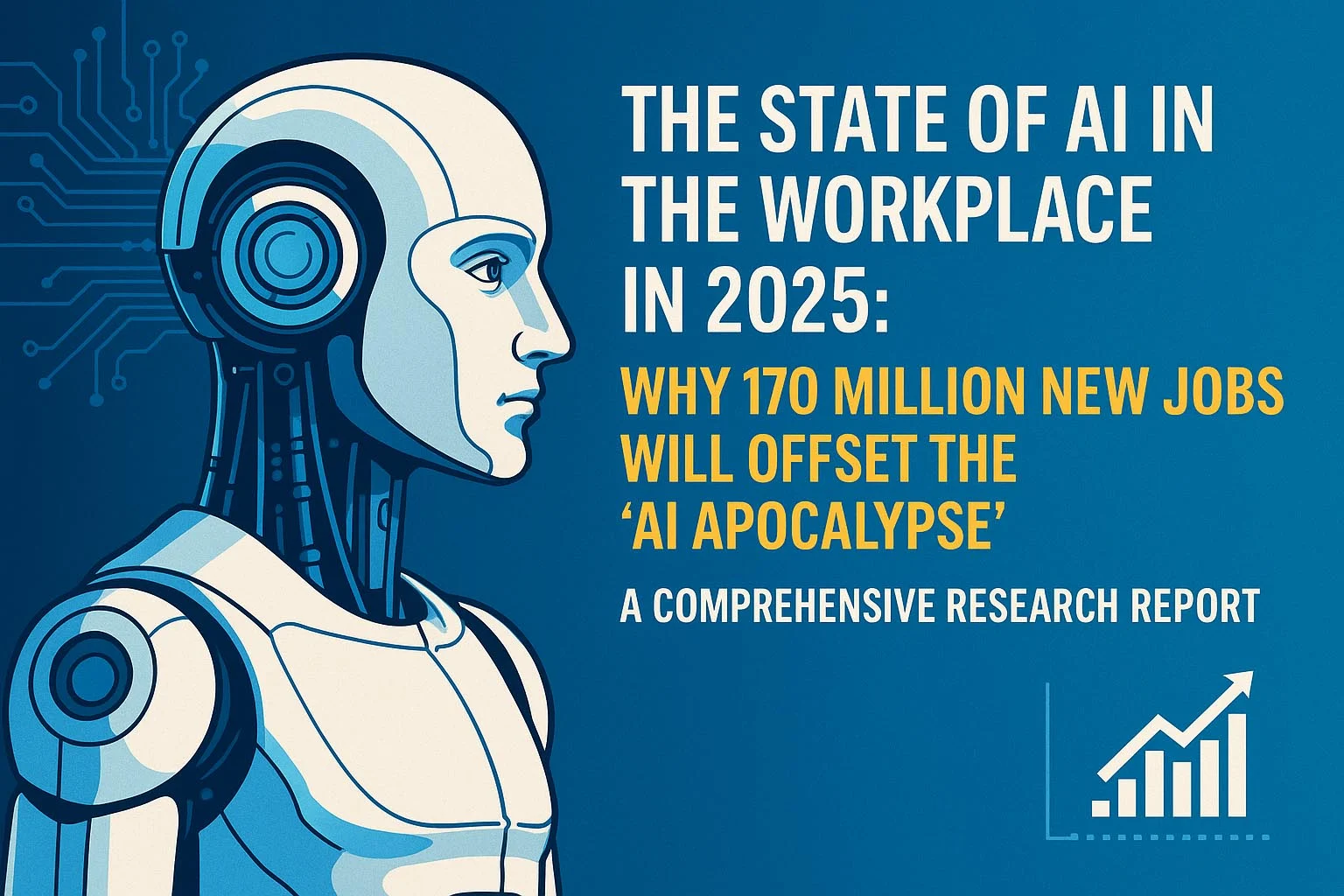
The global job market in 2025 has entered a new phase of disruption. While layoffs have occurred in previous years due to economic slowdowns and corporate restructuring, this year marked a noticeable shift. Artificial intelligence is no longer a background
factor. It has emerged as a clearer and more openly acknowledged driver of job cuts across multiple industries.
What Changed in 2025
Earlier workforce reductions were often attributed to cost optimization or market uncertainty. In 2025, many companies began directly linking layoffs to the adoption of AI-powered tools. Automation, generative AI, and machine learning systems reached
a level of maturity that allowed businesses to reduce headcount while maintaining or even increasing productivity.
This shift in messaging made AI’s role more visible. Corporate statements, investor briefings, and internal memos increasingly referenced efficiency gains made possible by artificial intelligence.
Roles Most Affected by AI Adoption
AI-driven job cuts have not been evenly distributed. Certain roles faced greater pressure due to automation-friendly workflows. These include customer support operations, data entry and reporting roles, basic content creation, quality assurance, and junior
analyst positions.
In many cases, AI tools allowed smaller teams to handle workloads that previously required large departments, accelerating workforce consolidation.
Why Companies Are Turning to AI
Businesses adopting AI cite several reasons for workforce reduction. Automated systems operate continuously, reduce human error, and scale faster than traditional teams. For companies under pressure to improve margins, AI offers a way to control costs
without sacrificing output.
Rather than replacing entire functions, AI is often eliminating repetitive tasks. However, this task-level automation has still resulted in fewer roles overall.
The Human Impact of AI-Driven Layoffs
The growing link between AI and job cuts has created anxiety among workers, especially in white-collar sectors once considered relatively safe. Many employees now face the challenge of reskilling faster than job markets can absorb displaced talent.
At the same time, the pace of AI adoption has outstripped the availability of structured retraining programs, leaving many professionals in transition.
Is AI the Only Reason Behind Job Cuts?
Despite its growing influence, AI is not acting alone. Economic uncertainty, shareholder expectations, and earlier over-hiring continue to play major roles. In most cases, artificial intelligence accelerates decisions that companies were already considering.
AI has become a catalyst rather than the sole cause, making workforce reductions faster and more decisive.
What the Future of Work May Look Like
While AI has contributed to job losses, it is also reshaping employment rather than eliminating it entirely. Demand is rising for roles that combine domain expertise with AI literacy. Companies are increasingly investing in smaller, highly skilled teams
supported by intelligent systems.
In the long term, adaptability and continuous learning are likely to define job security more than job titles.
Conclusion
In 2025, artificial intelligence moved from being a silent efficiency tool to a clearly stated factor behind job cuts. This shift marks a turning point in how technology influences employment decisions. As AI continues to evolve, its impact on jobs will
depend not only on technological progress but also on how businesses and governments manage workforce transitions.