
Why the US Dollar Is Rising Day by Day: The Real Economic Facts Explained
Many people feel that the US dollar is increasing almost every day, especially when compared with the Indian rupee and other global currencies. This is not just perception. Over the past few years, the dollar has shown sustained strength across global markets.
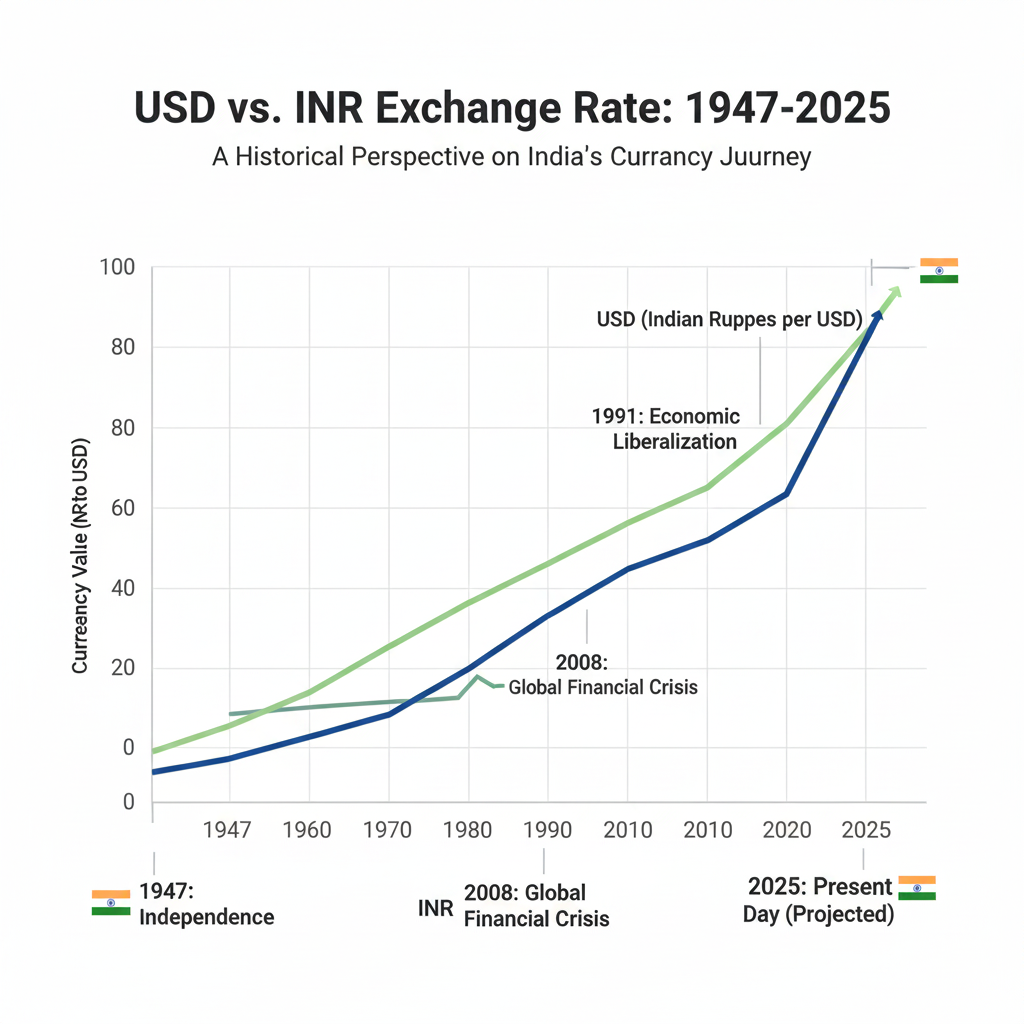
To understand why this is happening, we must look beyond headlines and examine interest rates, global money flow, trade systems, and economic power. The rise of the dollar is driven by real, measurable economic forces.
The Dollar’s Global Role: The Biggest Structural Reason
The US dollar is not just America’s currency. It is the backbone of the global financial system. Nearly 80 percent of global trade finance and more than half of global foreign exchange reserves are held in dollars.
Oil, gas, gold, shipping contracts, aircraft purchases, and international loans are all priced in dollars. This creates permanent global demand for the currency, regardless of US domestic conditions.
High US Interest Rates: The Strongest Immediate Driver
The most powerful reason behind the dollar’s rise is high interest rates in the United States. When interest rates rise, investors earn higher returns on savings, bonds, and treasury instruments.
The raised rates aggressively to control inflation. Even after inflation cooled, rates remained high compared to Europe, Japan, and many emerging markets.
This creates a simple equation:
- Higher returns in the US
- Lower risk compared to other regions
- Global investors move money to US assets
To invest in US bonds or stocks, investors must first buy dollars, increasing daily demand.
Global Uncertainty Pushes Money Into Dollars
Whenever the world faces uncertainty, money flows toward safety. Wars, trade tensions, weak growth in China, banking stress in Europe, and geopolitical conflicts all increase fear in financial markets.
In such conditions, the dollar becomes a safe-haven currency. Investors trust the size, liquidity, and stability of US financial markets more than any alternative.
This is why the dollar often strengthens during global crises, even if the crisis did not originate in the US.
The US Economy Is Stronger Than Most Peers
Another uncomfortable truth is that the US economy has performed better than many expected. Employment remains strong, consumer spending is resilient, and productivity has improved due to technology and automation.
When compared to slow growth in Europe and structural challenges in China, the US looks relatively healthier. Currency markets are relative by nature. If others are weaker, the dollar appears stronger.
Capital Flows: Money Moves Where It Is Treated Best
Global capital is not emotional. It moves based on return, safety, and liquidity. US markets offer:
- The deepest bond market in the world
- Highly liquid stock markets
- Strong legal and institutional protection
Foreign institutional investors continuously invest in US treasury bonds, technology companies, and financial assets. Each investment requires conversion into dollars, keeping demand consistently high.
Why the Rupee Weakens When the Dollar Rises
From an Indian perspective, the dollar’s rise feels sharper because the rupee is affected by local and global factors at the same time.
India imports large quantities of crude oil, defence equipment, electronics, and fertilizers, all paid for in dollars. When oil prices rise, India needs more dollars, increasing pressure on the rupee.
The manages volatility but does not aim to fix the rupee at an artificial level. A gradual depreciation is allowed to protect foreign exchange reserves and export competitiveness.
Trade Deficits and Dollar Demand
Countries that import more than they export must constantly buy dollars to settle trade payments. India runs a trade deficit, which structurally increases dollar demand.
This does not mean the Indian economy is weak. It reflects growth-driven imports like energy, capital goods, and technology.
Is the Dollar Rising Every Day Forever?
No currency rises endlessly. The dollar’s strength depends on interest rate policy, inflation control, and global conditions.
If US interest rates fall sharply, or if global growth stabilizes and investors regain confidence in other regions, dollar demand can soften.
However, as long as the dollar remains the world’s primary reserve currency, its long-term dominance is unlikely to disappear.
Real Impact on Common People
- Foreign travel and education become more expensive
- Imported goods cost more
- Fuel prices face upward pressure
- Exporters and IT companies benefit
Conclusion: The Truth Behind the Dollar’s Rise
The dollar is rising not because of manipulation or short-term speculation, but because the global system is built around it. High US interest rates, global uncertainty, strong capital inflows, and trade dependency create continuous demand.
For India, a rising dollar is both a challenge and an opportunity. Understanding the real facts helps separate economic reality from panic and allows better financial decisions.