British Rule in India: Causes, Policies and Impact
British rule in India marked one of the most transformative and challenging periods in the nation’s long history. What began as a commercial venture eventually replaced the declining Mughal Empire and evolved into full political and administrative control.
Over nearly two centuries, colonial rule reshaped India’s economy, society, governance, and national consciousness. While British policies introduced railways, legal systems, and Western education, they also caused economic exploitation, social disruption, and political subjugation.
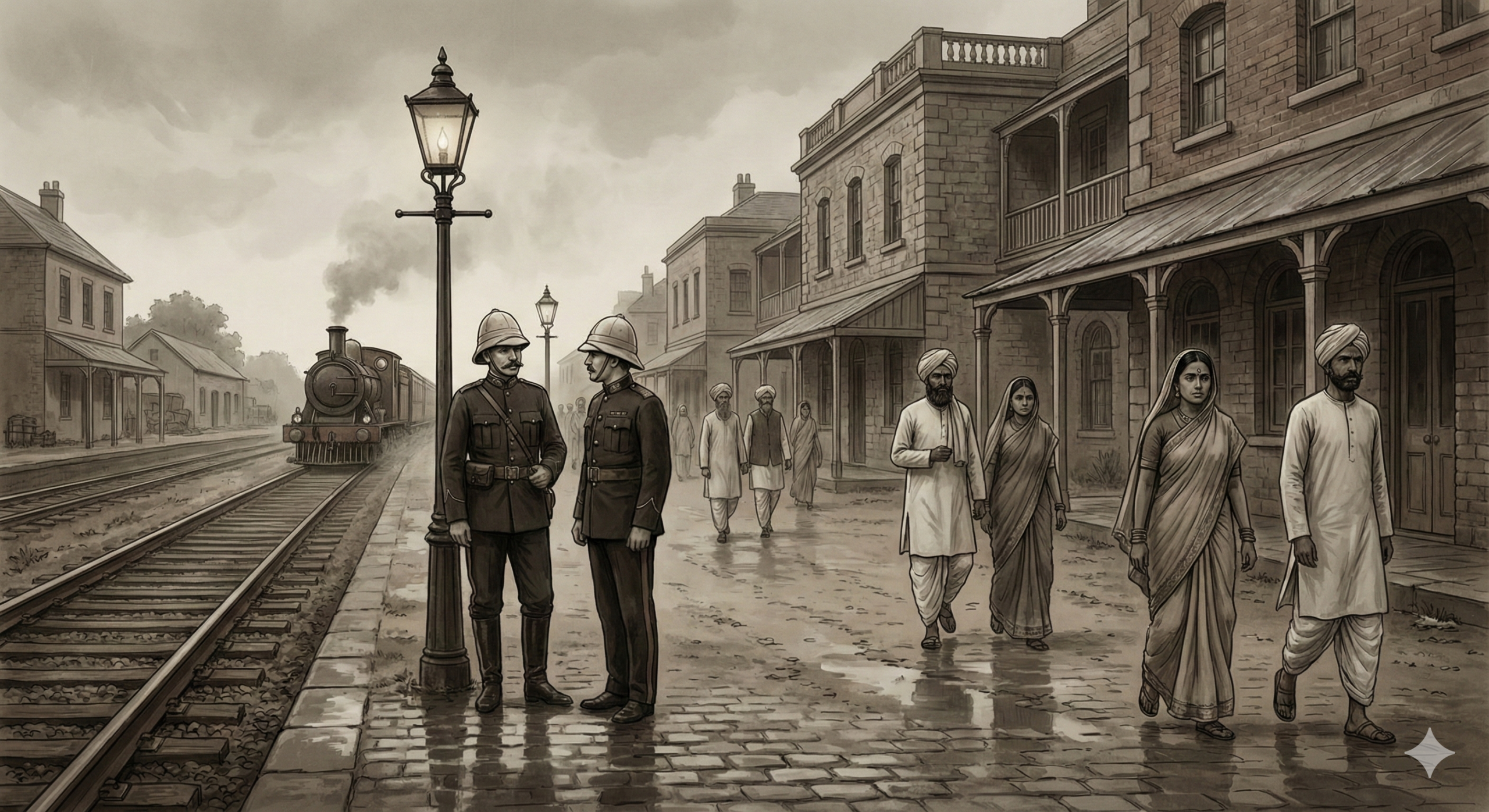
How British Rule Began in India
The British East India Company arrived in India in the early 17th century as a trading company. Taking advantage of political instability after the decline of Mughal authority, the company slowly expanded its influence.
From Trade to Political Control
The weakening of central power, regional rivalries, and military superiority allowed the East India Company to interfere in Indian politics. The decisive turning point was the Battle of Plassey (1757), which gave the British control over Bengal’s revenues.
This economic power enabled further territorial expansion, ultimately leading to direct Crown rule after 1858.
Economic Impact of British Rule
British economic policies were designed to benefit Britain at India’s expense, transforming India into a supplier of raw materials and a market for British goods.
Drain of Wealth
A massive drain of wealth occurred as Indian revenues funded British industries, administration, and wars. This systematic extraction weakened India’s economy and prevented industrial growth.
Decline of Traditional Industries
Indian handicrafts, especially textiles, collapsed due to unfair trade practices. British machine-made goods flooded Indian markets, destroying livelihoods of artisans and weavers.
Agrarian Distress and Famines
Land revenue systems such as the Permanent Settlement imposed heavy taxes on farmers. Forced cultivation of cash crops led to food shortages, causing repeated famines and rural poverty.
Social and Cultural Impact of British Rule
British rule brought social reforms and cultural change, but also disrupted traditional Indian institutions.
Western Education and New Ideas
English education introduced ideas of liberty, equality, democracy, and nationalism. This educated class later became leaders of the Indian Freedom Struggle.
Legal and Social Reforms
British laws reformed practices like sati, but reforms were often imposed without cultural sensitivity. Traditional education systems declined as Western models dominated.
Political Control and Administration
Colonial governance was centralized and authoritarian, with Indians having minimal participation.
British Bureaucracy
The Indian Civil Service ensured administrative efficiency but excluded Indians from power for decades, reinforcing racial hierarchies.
Divide and Rule Policy
By exploiting religious and regional differences, British authorities weakened unity among Indians, making resistance more difficult.
Infrastructure: Development with Colonial Motives
Railways, roads, telegraphs, and ports were developed mainly to extract resources and maintain control.
Ironically, these systems later helped unite Indians and spread nationalist ideas across regions.
Rise of Resistance and National Awakening
Colonial exploitation led to growing resistance, evolving from local revolts into organized political movements.
The Revolt of 1857
The Revolt of 1857 marked the first large-scale uprising against British rule. Although unsuccessful, it ended company rule and strengthened nationalist consciousness.
Organized National Movements
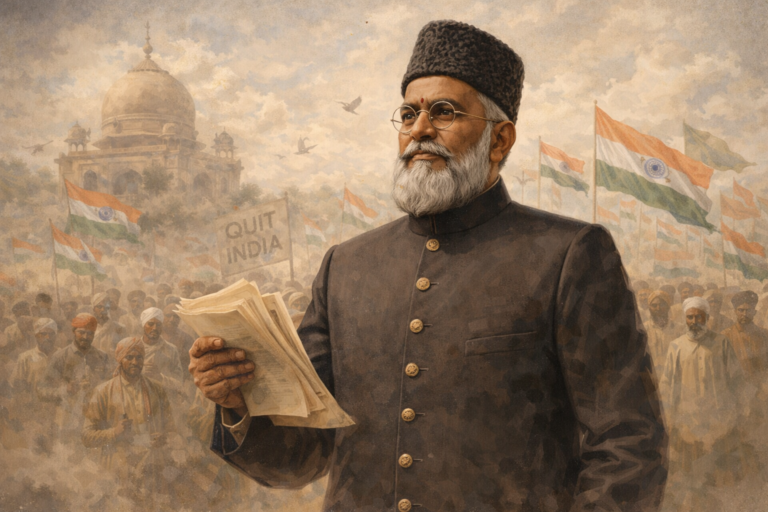
Political organizations like the Indian National Congress mobilized masses, leading to sustained resistance that culminated in independence.
Impact on Indian Identity and Nationalism
Shared colonial experiences fostered a sense of unity. This laid the foundation of modern nationalism and the creation of Modern India.
Frequently Asked Questions (FAQs)
1. When did British rule begin in India?
British political control began after the Battle of Plassey in 1757.
2. When did British rule end?
British rule ended on 15 August 1947.
3. Why did the British come to India?
Initially for trade through the East India Company.
4. What was the Drain of Wealth?
Transfer of Indian wealth to Britain through revenue and trade profits.
5. How did British rule affect Indian farmers?
High taxes and cash crop policies caused poverty and famines.
6. What industries suffered most?
Handicrafts and textile industries.
7. What was the Permanent Settlement?
A land revenue system that burdened farmers.
8. Did British rule help India industrialize?
No, it prevented indigenous industrial growth.
9. How did education impact nationalism?
It introduced ideas of democracy and freedom.
10. What was the Divide and Rule policy?
A strategy to weaken Indian unity.
11. Why was the Revolt of 1857 important?
It marked the first major resistance.
12. What role did railways play?
They helped British control but later united Indians.
13. Who governed India after 1858?
The British Crown.
14. What was the impact on Indian society?
Social disruption and cultural change.
15. How did British laws affect Indians?
Created a uniform legal system but favored colonizers.
16. Did British rule encourage nationalism?
Indirectly, through shared oppression.
17. What role did political organizations play?
Mobilized public resistance.
18. How did British rule affect religion?
Exploited divisions for control.
19. What replaced British rule?
Independent democratic governance.
20. Why is British rule important to study?
It shaped modern India’s institutions and identity.
Conclusion
British rule in India was a period of deep contradiction—introducing modern systems while inflicting severe economic and social damage.
Understanding this era is essential to comprehend India’s freedom struggle, national identity, and post-colonial development.