Save Aravalli Movement Explained: Why India’s Oldest Mountains Are at Risk
The Aravalli Range, stretching across northwestern India, represents one of the world’s oldest geological features. These ancient mountains have witnessed the entire span of human civilization in the Indian subcontinent, yet today they face an existential crisis. The Save Aravalli Movement has emerged as a critical environmental campaign to protect these mountains from complete destruction. Understanding why this movement matters requires examining the deep history of the Aravallis, their irreplaceable ecological role, and the forces threatening their survival.
The Ancient Origins: Earth’s Oldest Mountain Range
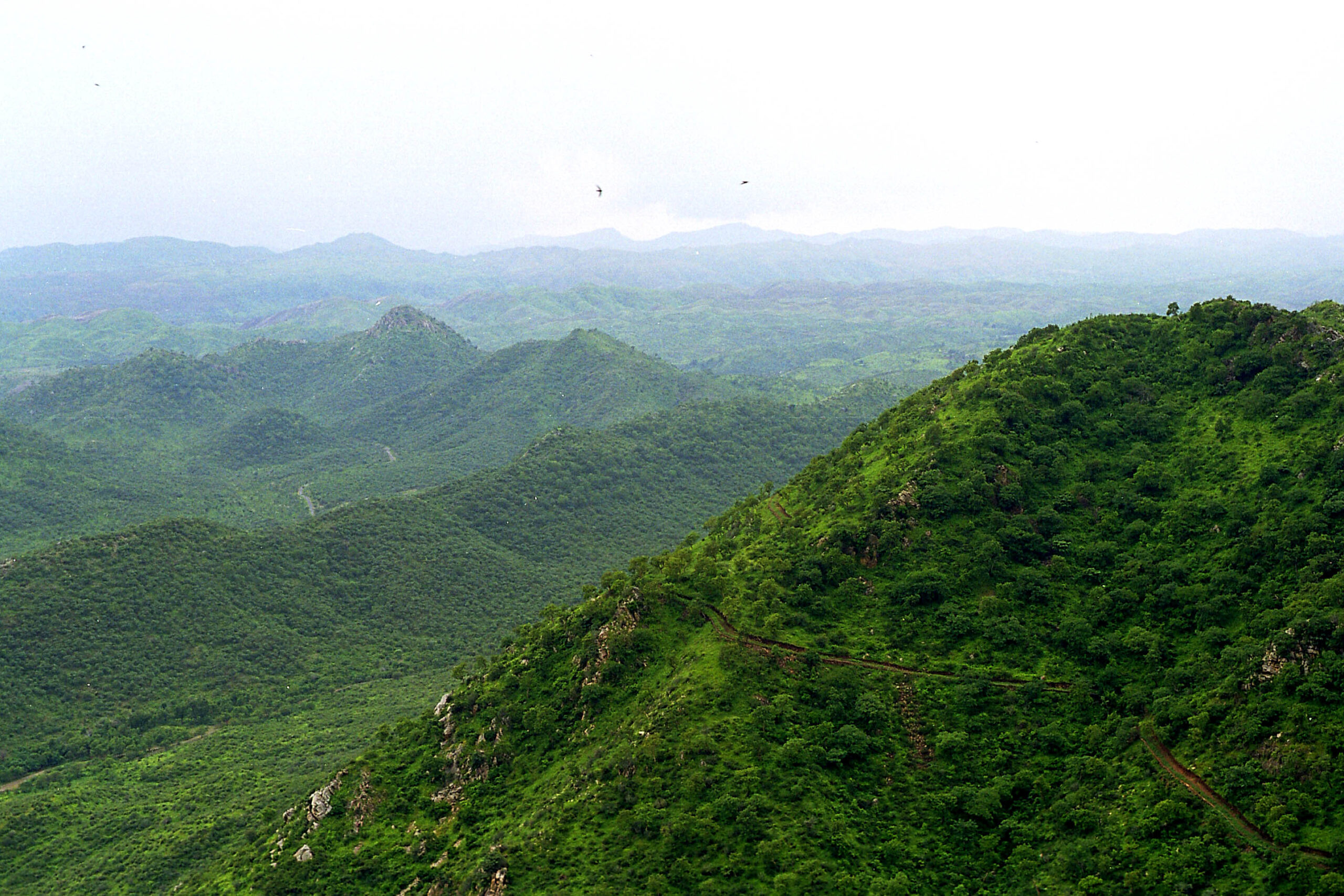
The Aravalli Range holds a distinguished position in geological history as one of the oldest fold mountain systems on Earth. Dating back approximately 1.8 billion years to the Proterozoic era, these mountains predate not only human existence but most complex life forms on the planet. To put this in perspective, the Aravallis were already ancient when the Himalayas began forming merely 50 million years ago.
The formation of the Aravalli Range occurred during a period of intense tectonic activity when the Indian continental plate collided with another landmass. This collision caused massive folding and uplifting of the earth’s crust, creating a towering mountain system that once rivaled the modern Himalayas in height and extent. Over nearly two billion years, relentless erosion by wind, water, and weather has worn down these once-mighty peaks. What remains today are highly eroded hills and ridges, typically ranging from 300 to 900 meters in elevation, with the highest peak, Guru Shikhar in Mount Abu, reaching 1,722 meters.
The Aravalli Range extends approximately 692 kilometers from Delhi in the northeast through Haryana and Rajasthan, terminating near Ahmedabad in Gujarat. This crescent-shaped range divides the Thar Desert from the more fertile plains of northern India. The rocks composing these mountains include some of the oldest metamorphic and igneous formations in India, containing valuable minerals that have attracted human exploitation for millennia.
The Aravallis Through the Ages of Indian Civilization
Ancient India and the Sacred Mountains
The Aravalli Range has been intimately connected with Indian civilization since the earliest settlements. Archaeological evidence suggests that the Indus Valley Civilization, one of the world’s oldest urban cultures, had trading connections with communities living in and around the Aravallis. The mountains provided copper, lead, zinc, and other minerals that were essential for the bronze-age technology of these ancient peoples.
In Hindu mythology and religious texts, the Aravallis hold sacred significance. Mount Abu, the highest point in the range, has been a pilgrimage center for thousands of years. The Dilwara Temples, built between the 11th and 13th centuries, showcase extraordinary marble craftsmanship and represent the spiritual importance these mountains held in ancient and medieval times. Several other sites within the Aravallis are mentioned in ancient texts and have been places of worship and meditation for countless generations.
The mineral wealth of the Aravallis shaped early economic patterns in northwestern India. Ancient mining operations extracted copper from the Khetri copper belt, which supplied metal for tools, weapons, and ornaments. These early extraction activities, however, were limited in scale and impact compared to what would come later.
Medieval Period: Fortresses and Kingdoms
During medieval times, the strategic location of the Aravalli Range made it crucial for defense and kingdom-building. Numerous forts were constructed along the range, taking advantage of the elevated terrain for military purposes. The most famous of these include the Kumbhalgarh Fort, with its massive wall second only to the Great Wall of China in length, and the Ranthambore Fort, which commanded views over the surrounding plains.
Rajput kingdoms flourished in the Aravalli region, and the mountains became synonymous with valor and resistance. The difficult terrain provided natural protection against invading armies from the northwest. Cities like Jaipur and Udaipur were strategically located in relation to the Aravallis, using the mountains as natural barriers and sources of building stone.
The forests of the Aravallis during this period were far more extensive than today. These forests provided timber for construction, fuel for households, and habitat for diverse wildlife including tigers, leopards, and various deer species. Royal hunting grounds were established in these forests, and the ecological balance was generally maintained through traditional conservation practices and limited population pressure.
Colonial Era: Beginning of Systematic Exploitation
The arrival of British colonial rule in India marked a turning point for the Aravallis. The colonial administration viewed the mountains primarily as a source of mineral wealth and timber to fuel industrial development. Systematic mining operations began on a much larger scale than ever before, particularly for marble, copper, zinc, and lead.
The British constructed railways that connected mining areas in the Aravallis to major ports and industrial centers. This infrastructure enabled the extraction and export of minerals at unprecedented rates. Marble from Makrana, located in the Aravalli region, was extensively quarried and used in construction projects across India and abroad. While this very marble had been used to build the Taj Mahal in the 17th century, colonial-era extraction occurred at industrial scales without consideration for environmental impact.
Deforestation accelerated during colonial rule as forests were cleared for timber, railway sleepers, and to make way for agricultural expansion. The Forest Acts introduced by the British often alienated local communities from their traditional forest resources while facilitating commercial exploitation. By the time India gained independence in 1947, the Aravallis had already suffered significant degradation, though the worst was yet to come.
Ecological Importance: Why the Aravallis Matter
Climate Regulation and the Green Lung Effect
The Aravalli Range serves as a critical ecological barrier that influences weather patterns across northwestern India. The mountains act as the first line of defense against the westward expansion of the Thar Desert. The vegetation cover on the Aravallis helps intercept moisture-laden monsoon winds, contributing to rainfall in the region. Without this natural barrier, desertification would advance unchecked toward the fertile plains of Haryana, Punjab, and western Uttar Pradesh.
For the National Capital Region, the Aravallis function as a green lung, helping to filter air pollution and moderate temperatures. The ridge forests in Delhi, which are extensions of the Aravalli Range, have been shown to reduce ambient temperatures by several degrees compared to built-up areas. They also absorb significant amounts of carbon dioxide and other pollutants, providing a crucial ecosystem service to millions of residents in one of the world’s most polluted cities.
Studies have demonstrated that the complete destruction of the Aravalli Range would result in catastrophic climate changes for the entire region. The Thar Desert would likely expand eastward, agricultural productivity would decline, and extreme temperature variations would become more pronounced. The implications extend beyond India, as regional climate patterns affect the entire South Asian monsoon system.
Groundwater Recharge: The Hidden Treasure
Perhaps the most underappreciated function of the Aravalli Range is its role in groundwater recharge. The mountains act as a massive natural reservoir system, capturing rainwater and slowly releasing it into aquifers that supply water to hundreds of millions of people in Delhi, Haryana, Rajasthan, and Gujarat.
The geological structure of the Aravallis, with its fractured rocks and porous formations, allows rainwater to percolate deep into the ground. This natural recharge process is essential for maintaining water tables in a region where surface water is scarce and rainfall is seasonal and unpredictable. The Yamuna River, which flows along the eastern edge of the Aravallis, receives substantial groundwater inputs from the range.
As urban areas have expanded and demand for water has skyrocketed, groundwater extraction has increased dramatically. The Aravallis’ recharge function has become even more critical. However, mining, construction, and the covering of permeable surfaces with concrete and asphalt have severely compromised this natural recharge capacity. Water tables have been falling across the region, and cities like Delhi face recurring water crises during summer months.
Biodiversity and Wildlife Corridors
Despite severe degradation, the Aravalli Range continues to support remarkable biodiversity. The mountains provide habitat for numerous species of mammals, birds, reptiles, and plants, many of which are endemic or endangered. Leopards still inhabit the more remote sections of the range, along with striped hyenas, jungle cats, and various species of deer and antelope.
The avian diversity of the Aravallis is particularly noteworthy. The range serves as a crucial stopover point for migratory birds traveling along the Central Asian Flyway. Species ranging from common peafowl to endangered vultures depend on the Aravalli ecosystem. The Sariska Tiger Reserve and Ranthambore National Park, both located within the Aravalli landscape, demonstrate that with proper protection, even large predators can survive in these mountains.
The Aravallis function as an important wildlife corridor connecting protected areas and allowing genetic exchange between isolated populations. As habitat fragmentation increases across India, these corridors become essential for the long-term survival of many species. The destruction of the Aravallis would create an insurmountable barrier, further isolating wildlife populations and accelerating local extinctions.
Post-Independence Assault: Development at What Cost?
The Mining Boom and Environmental Devastation
Following independence, India embarked on an ambitious industrialization program that required massive quantities of minerals and building materials. The Aravalli Range, with its rich deposits of marble, limestone, granite, and other minerals, became a prime target for mining operations. What began as an economic necessity gradually transformed into uncontrolled exploitation driven by profit rather than national need.
Mining in the Aravallis expanded exponentially from the 1960s onward. Open-cast mining, the most destructive method, became widespread. Entire hilltops were blasted away, leaving behind barren, lifeless landscapes. The scale of destruction can be observed from satellite imagery, which shows vast areas where the Aravallis have simply disappeared, replaced by quarries, mining pits, and waste dumps.
The environmental impact of unregulated mining has been catastrophic. Vegetation removal leads to soil erosion, which clogs water bodies and reduces groundwater recharge. Dust pollution from mining operations affects air quality over wide areas, causing respiratory problems in nearby communities. The blasting required for mining creates noise pollution and ground vibrations that disturb wildlife and damage structures in surrounding villages.
Despite Supreme Court orders dating back to the 1990s restricting mining in certain parts of the Aravallis, illegal mining has continued. Powerful mining lobbies, often with political connections, have operated with impunity. The profits from illegal mining are enormous, creating economic incentives that overwhelm environmental regulations and enforcement efforts.
Urban Sprawl and the Real Estate Juggernaut
The rapid urbanization of the Delhi-NCR region has placed enormous pressure on the Aravalli Range. As cities like Gurgaon, Faridabad, and Noida have grown, real estate developers have eyed the Aravalli land with interest. The proximity to major employment centers and the availability of relatively cheap land have made the mountains attractive for residential and commercial development.
The legal status of Aravalli land has been contentious and often deliberately obscured. Various state governments have periodically declassified forest land, removed areas from protected status, or changed land-use designations to facilitate construction. In Haryana, hundreds of square kilometers of Aravalli land were removed from protected forest status, opening them up for development. Luxury residential projects, golf courses, and commercial complexes have been built on what were once forested hills.
This urbanization has multiple damaging effects. The natural drainage patterns are disrupted, leading to increased flooding during monsoons and water scarcity during dry periods. The heat island effect intensifies as concrete replaces vegetation. Wildlife corridors are severed, isolating animal populations. The social fabric of traditional communities living in the Aravallis is torn apart as they are displaced or find their livelihoods destroyed.
Policy Failures and Regulatory Collapse
The destruction of the Aravallis has been enabled by systematic policy failures at multiple levels of government. Environmental regulations, when they exist, are poorly enforced. Penalties for violations are minimal and rarely imposed. Environmental impact assessments are often pro forma exercises that rubber-stamp destructive projects.
The lack of a unified definition of the Aravalli Range across different states has created enormous problems. Delhi recognizes certain areas as Aravalli biodiversity zones, while Haryana has different definitions, and Rajasthan yet another. This definitional confusion has been exploited to permit activities in one jurisdiction that would be prohibited in another, even when the ecological continuity is obvious.
Government agencies responsible for environmental protection have been chronically underfunded and understaffed. Forest departments lack the personnel and resources to patrol vast areas and prevent encroachment. The judicial system, while occasionally intervening with strong orders, cannot provide day-to-day monitoring and enforcement. Political will to protect the Aravallis has been inconsistent, often subordinated to short-term economic and electoral considerations.
The Save Aravalli Movement: Origins and Evolution
The Catalyst: A Tipping Point Reached
The Save Aravalli Movement did not emerge suddenly but rather evolved from decades of concern expressed by environmentalists, scientists, and local communities. However, several specific incidents and developments in the 2010s brought the crisis to a critical point and galvanized public action.
The expansion of Gurgaon into a major corporate and residential hub involved massive construction on Aravalli land. Luxury housing projects and commercial developments mushroomed in areas that had been forests or agricultural land just years earlier. Simultaneously, mining continued unabated in Rajasthan and Haryana despite court orders. The National Green Tribunal issued multiple orders highlighting violations, but implementation remained weak.
Environmental activists and organizations began documenting the destruction systematically. Reports with satellite imagery, ground surveys, and scientific data showed the alarming rate at which the Aravallis were disappearing. Social media amplified these concerns, making urban residents more aware of the connection between environmental degradation and the declining quality of life in cities like Delhi.
A crucial moment came when the Haryana government attempted to remove large areas from the Aravalli notified forest zone, which would have opened them up for construction. This move was challenged in the Punjab and Haryana High Court and later the Supreme Court. The litigation brought national attention to the issue and crystallized the Save Aravalli Movement as a cohesive campaign.
Key Players and Grassroots Mobilization
The Save Aravalli Movement represents a coalition of diverse actors united by the common goal of protecting the mountain range. Environmental organizations like I Am Gurgaon have been at the forefront, organizing awareness campaigns, tree planting drives, and legal challenges. These groups have worked to educate the public about the Aravallis’ importance and mobilize citizen action.
Local communities, particularly those living in and around the Aravallis, have been crucial participants. Many of these communities have traditional knowledge of the ecosystem and have depended on the mountains for their livelihoods for generations. They have opposed mining and construction projects that threaten their homes and resources. Village residents have formed protection committees to prevent illegal mining and encroachment.
Scientists and researchers have provided the intellectual foundation for the movement. Studies on groundwater recharge, climate regulation, and biodiversity have documented the Aravallis’ ecological importance in concrete terms. This scientific evidence has been essential in legal proceedings and in countering arguments that prioritize development over conservation.
Urban citizens, initially disconnected from the issue, have increasingly joined the movement as they have experienced worsening air quality, water shortages, and rising temperatures. The realization that their quality of life is directly linked to the health of the Aravallis has motivated thousands to participate in protests, sign petitions, and support conservation efforts.
Legal Battles and Judicial Interventions
The judiciary has played a significant role in the Save Aravalli Movement, with the Supreme Court and various High Courts issuing important orders protecting the range. In 2018, the Supreme Court delivered a landmark judgment recognizing the Aravallis as a crucial ecological feature deserving protection. The court ordered that mining in notified forest areas of the Aravallis must cease and that encroachments must be removed.
The National Green Tribunal has heard numerous cases related to the Aravallis, imposing penalties on violators and directing state governments to take protective measures. However, the implementation of these orders has been inconsistent. Violators often obtain stays on penalties, enforcement is delayed, and new violations occur even as old ones are being litigated.
Legal challenges have focused on several key issues: the removal of forest protection status from Aravalli land, illegal mining operations, unauthorized construction, and the failure of government agencies to enforce existing environmental laws. While legal victories have been important, they have also highlighted the limitations of judicial intervention when executive agencies are unwilling or unable to implement court orders effectively.
Modern Threats: A Multi-Dimensional Crisis
Mining: The Continuing Scourge
Despite numerous court orders and public outcry, mining remains one of the most serious threats to the Aravallis. The economics of mining create powerful incentives for continued exploitation. A single truckload of mined material can be worth thousands of rupees, and the cumulative profits are enormous. Criminal networks often control illegal mining operations, using violence and intimidation to continue their activities.
The mining lobby has significant political influence, which manifests in weak enforcement and periodic attempts to dilute environmental protections. Mining leases that should have been terminated continue to operate. New leases are sometimes granted despite ostensible bans. The monitoring capacity of regulatory agencies is inadequate to oversee the vast expanse of the Aravallis.
The environmental damage from mining is both immediate and long-lasting. The physical removal of mountains is irreversible on any human timescale. Even when mining stops, the degraded land rarely recovers naturally. Erosion continues, the hydrology is permanently altered, and the habitat is destroyed. The true cost of mining, when environmental damage is factored in, far exceeds any economic benefit.
Real Estate Development and Urban Encroachment
The pressure from real estate development has intensified as urban areas continue to expand. Developers argue that the land is needed for housing and economic activity. They point to the high prices of urban real estate and claim that developing Aravalli land will make housing more affordable. This argument appeals to middle-class buyers seeking homes within commuting distance of cities like Delhi and Gurgaon.
However, the reality is more complex. Much of the construction on Aravalli land has been high-end residential projects and luxury developments rather than affordable housing. The environmental costs are immediate: loss of green cover, disruption of groundwater recharge, increased flooding, and destruction of wildlife habitat. The long-term costs will be borne by future generations through degraded environmental quality and climate impacts.
Urban sprawl into the Aravallis also creates inefficient settlement patterns. As cities spread outward, infrastructure costs increase, commuting times lengthen, and automobile dependence grows. Dense, vertical development within existing urban areas would be more sustainable than horizontal expansion into ecologically sensitive zones like the Aravallis.
Climate Change: Accelerating the Crisis
Climate change is both impacting the Aravallis and being exacerbated by their destruction. Rising temperatures and changing rainfall patterns are stressing the remaining vegetation. Extreme weather events, including intense cloudbursts followed by prolonged droughts, are becoming more common. These conditions make recovery from degradation more difficult and accelerate erosion and desertification.
At the same time, the destruction of the Aravallis contributes to regional climate change. The loss of vegetation cover reduces carbon sequestration and increases surface temperatures. The expansion of barren land and urban heat islands creates positive feedback loops that intensify warming. The disruption of local weather patterns affects agriculture and water availability across northwestern India.
Pollution: Air, Water, and Soil
The Aravallis are both affected by pollution and play a role in mitigating it. Air pollution from mining dust, industrial emissions, and vehicular traffic degrades air quality across the region. The vegetation in the Aravallis helps filter some of this pollution, but as the green cover shrinks, this beneficial effect diminishes. The result is a vicious cycle where pollution kills vegetation, which then reduces the capacity to absorb pollution.
Water pollution from mining operations, industrial discharge, and urban runoff contaminates both surface water and groundwater. The chemicals and heavy metals from mining seep into aquifers, making water unsafe for drinking and irrigation. Urban development brings sewage and solid waste problems, often dumped in or near the Aravallis without proper treatment.
Soil pollution from mining waste and industrial effluents makes land reclamation extremely difficult. Even when mining ceases, the contaminated soil cannot support vegetation without extensive remediation. The loss of soil fertility extends beyond the immediate mining area as eroded contaminated soil spreads downstream.
Why Saving the Aravallis Is Critical for India’s Future
Environmental Security for Delhi-NCR
The National Capital Region, home to over 46 million people, faces mounting environmental crises. Delhi consistently ranks among the world’s most polluted cities. Water scarcity is chronic, with groundwater levels declining year after year. Summer temperatures regularly exceed 45 degrees Celsius, creating health emergencies. The Aravallis are not peripheral to these problems; they are central to any solution.
Protecting and restoring the Aravallis would provide Delhi-NCR with a natural infrastructure for climate resilience. The mountains would continue to recharge aquifers, providing water security for future generations. The forest cover would help filter air pollution and moderate temperatures. The biodiversity would be preserved for ecological stability and human well-being.
The alternative is grim. If the Aravallis are completely destroyed, Delhi-NCR will face even more severe environmental challenges. Water wars between states over scarce resources will intensify. Air quality will deteriorate further, causing massive health impacts and economic costs. The quality of life will decline to the point where the region becomes unlivable for large portions of the year.
Regional Water Security
Water is the most critical resource issue facing India in the 21st century. The Aravallis’ role in groundwater recharge makes them indispensable for regional water security. The aquifers fed by the Aravallis supply water not just to Delhi-NCR but to vast agricultural areas in Haryana, Rajasthan, and beyond. These are some of the most productive farmlands in India, feeding hundreds of millions of people.
As climate change makes rainfall more unpredictable and population growth increases demand, the sustainable management of groundwater becomes crucial. The Aravallis are nature’s own infrastructure for water harvesting and storage, operating at a scale that no human-made system can match. Destroying this natural system while spending billions on artificial solutions is economically irrational and environmentally catastrophic.
Preventing Desertification
The Thar Desert is not static; it is dynamic and capable of expanding if natural barriers are removed. The Aravallis have historically prevented the eastward expansion of desert conditions. As the mountains are degraded, this barrier function weakens. Satellite data already shows signs of increased aridity and reduced vegetation cover in areas adjacent to degraded sections of the Aravallis.
The implications of unchecked desertification are profound. Agricultural land would be lost to desert conditions, affecting food security. Human settlements would be forced to relocate, creating environmental refugees. The economic costs would be measured in trillions of rupees. Once desertification begins in earnest, reversing it becomes extremely difficult and expensive. Prevention through conservation of the Aravallis is far more practical than attempting restoration after the damage is done.
Cultural and Historical Heritage
Beyond the environmental and economic arguments, the Aravallis represent an irreplaceable cultural and historical heritage. These mountains have been part of Indian civilization for millennia. They appear in ancient texts, medieval poetry, and folk traditions. The forts, temples, and archaeological sites in the Aravallis are testimonies to human history and achievement.
Allowing the Aravallis to be destroyed for short-term gain represents a profound failure of stewardship. Future generations will judge harshly those who permitted the obliteration of such an ancient and significant landscape. Cultural identity is intertwined with landscape, and the loss of the Aravallis would be an impoverishment of India’s heritage that can never be recovered.
Solutions and the Path Forward
Immediate Protection Measures
The first priority must be to halt ongoing destruction. This requires strict enforcement of existing laws and court orders. Illegal mining operations must be shut down and dismantled. Unauthorized constructions in protected areas must be demolished. While politically difficult, these actions are necessary to prevent further damage while longer-term solutions are developed.
All Aravalli land should be clearly demarcated and protected under a uniform legal framework that applies across state boundaries. The definitional confusion that has been exploited to permit destructive activities must be eliminated. A comprehensive survey using modern technology should map the entire range and establish its boundaries beyond dispute.
Increased penalties for violations, including substantial fines and criminal prosecution of violators, would create meaningful deterrence. The current penalties are too small to discourage violations when the potential profits are so large. Enforcement agencies need adequate funding, personnel, and political support to carry out their mandates effectively.
Restoration and Reforestation
Protecting what remains is essential but not sufficient. Active restoration of degraded areas is necessary to rebuild the Aravallis’ ecological functions. Large-scale reforestation programs using native species should be implemented. The experience of successful restoration projects in other degraded landscapes provides models that can be adapted to the Aravallis.
Restoration requires not just planting trees but also addressing underlying causes of degradation. Soil stabilization, water conservation structures, and protection from grazing and fire are all necessary. Local communities should be engaged as active participants in restoration, providing both labor and traditional knowledge. Economic incentives, such as payments for ecosystem services, can align community interests with conservation goals.
Mine reclamation should be mandatory, with mining companies required to restore land to a natural condition before leases are closed. A substantial environmental bond should be collected before mining begins, sufficient to cover full restoration costs. Past mining sites that have been abandoned should be identified and restored using public funds, recovering costs from former operators where possible.
Sustainable Development Models
The legitimate needs for housing and economic development must be met through sustainable approaches that do not sacrifice the Aravallis. Urban planning should prioritize dense, vertical development within existing city boundaries rather than horizontal sprawl into ecologically sensitive areas. Transit-oriented development around metro lines and suburban rail can accommodate population growth without encroaching on the Aravallis.
Green building technologies and sustainable urban design can create livable cities with smaller environmental footprints. Renewable energy, water recycling, and waste management systems reduce the pressure to exploit natural resources unsustainably. Investment in these technologies and approaches provides economic opportunities while protecting the environment.
Alternative livelihoods for communities dependent on mining or activities harmful to the Aravallis should be developed. Ecotourism, sustainable agriculture, and forest products can provide income while maintaining ecological integrity. Training and financial support can help people transition to these alternatives.
Public Awareness and Education
Long-term protection of the Aravallis requires public understanding and support. Educational programs in schools should teach children about the mountains’ importance and how to protect them. Media campaigns can raise awareness among the general public. Experiential programs that bring urban residents into contact with the Aravallis can foster emotional connections and commitment to conservation.
Citizen science initiatives can engage the public in monitoring and protecting the Aravallis. Volunteers can help with reforestation, document violations, and collect ecological data. This participation creates a sense of ownership and shared responsibility for the mountains’ future.
Policy and Governance Reforms
Systemic changes in policy and governance are necessary to protect the Aravallis in the long term. Environmental considerations should be integrated into all levels of government planning and decision-making. Environmental impact assessments should be rigorous and independent, with genuine power to stop destructive projects.
A dedicated Aravalli Conservation Authority with representation from central and state governments, scientists, environmentalists, and local communities could provide coordinated management across jurisdictions. This authority would have the power to enforce regulations, coordinate restoration efforts, and manage the range as an integrated ecological system.
Land-use planning regulations should explicitly protect the Aravallis, with clear restrictions on construction and resource extraction. Compensation mechanisms for landowners affected by conservation regulations should be fair and transparent, reducing opposition to protection measures.
Conclusion: A Choice That Defines Our Generation
The Aravalli Range stands at a crossroads. These ancient mountains, which have endured for nearly two billion years, could effectively cease to exist within a few decades if current trends continue. The Save Aravalli Movement represents more than an environmental campaign; it is a fundamental question about what kind of society we choose to be and what kind of world we will leave to future generations.
The choice before us is stark. We can continue on the path of short-term exploitation, extracting immediate economic value from the Aravallis until they are gone. This path leads to environmental catastrophe, with impacts far beyond the mountains themselves. It means condemning future generations to live in a degraded landscape with chronic water scarcity, extreme pollution, and unstable climate conditions. It means accepting that one of Earth’s oldest geological features and India’s invaluable natural heritage will be obliterated during our watch.
Alternatively, we can choose to protect and restore the Aravallis, recognizing that their ecological services far exceed any economic value from mining or construction. This path requires immediate action to halt ongoing destruction, sustained effort to restore degraded areas, and fundamental changes in how we approach development. It demands that we place long-term sustainability above short-term profit and that we recognize our responsibility as stewards of a landscape that existed long before us and should endure long after.
The practical benefits of saving the Aravallis are clear and measurable. Water security for hundreds of millions of people, climate regulation for a vast region, prevention of desertification, air quality improvement, and preservation of biodiversity are outcomes that can be quantified and valued. The economic argument for conservation, when properly calculated including environmental costs and long-term benefits, strongly favors protection over destruction.
Yet the importance of the Aravallis transcends purely utilitarian calculations. These mountains represent continuity with the ancient past, a connection to geological time scales that dwarf human existence. They are part of the natural heritage that defines India as a place and a civilization. Their loss would be an impoverishment not just of ecological systems but of the human experience and cultural identity.
The Save Aravalli Movement has achieved significant victories in raising awareness and securing legal protections. But awareness and legal orders are not sufficient. What is needed now is sustained commitment from government, civil society, and individuals to implement protection and restoration on the ground. This means enforcement of laws, investment in restoration, changes in development patterns, and countless individual choices that collectively determine the mountains’ fate.
Every person living in the Delhi-NCR region and beyond has a stake in the future of the Aravallis. The water you drink, the air you breathe, the temperature you experience, and the natural beauty available to future generations are all directly linked to whether these mountains survive. Saving the Aravallis is not someone else’s responsibility; it is a collective duty that requires participation from all sectors of society.
History will record whether we rose to this challenge or failed. The Aravallis have witnessed the entire span of human civilization in India. They have survived continental collisions, climate upheavals, and nearly two billion years of natural change. The question is whether they will survive us. The answer depends on choices made now, in this critical decade. We must choose wisely, with full awareness that we are deciding not just the fate of mountains but the environmental future of millions of people and the preservation of an irreplaceable natural heritage for all humanity.