Seema Anand: The Indian Mythologist Connecting Ancient Wisdom to Modern Life
At a time when many people either dismiss Indian mythology as outdated or reduce it to religious ritual, Seema Anand stands apart as a powerful voice who brings ancient Indian wisdom into the context of modern life. Her work explains mythology, tantra, and oral traditions through the lens of logic, psychology, and real-world relevance — making 5,000-year-old ideas feel urgently alive today.
Seema Anand does not simply retell stories. She unpacks the cultural, emotional, and philosophical meanings buried within them. This is why her name comes up repeatedly in discussions about Indian mythology and tantra — particularly among younger audiences searching for a deeper connection to their heritage.
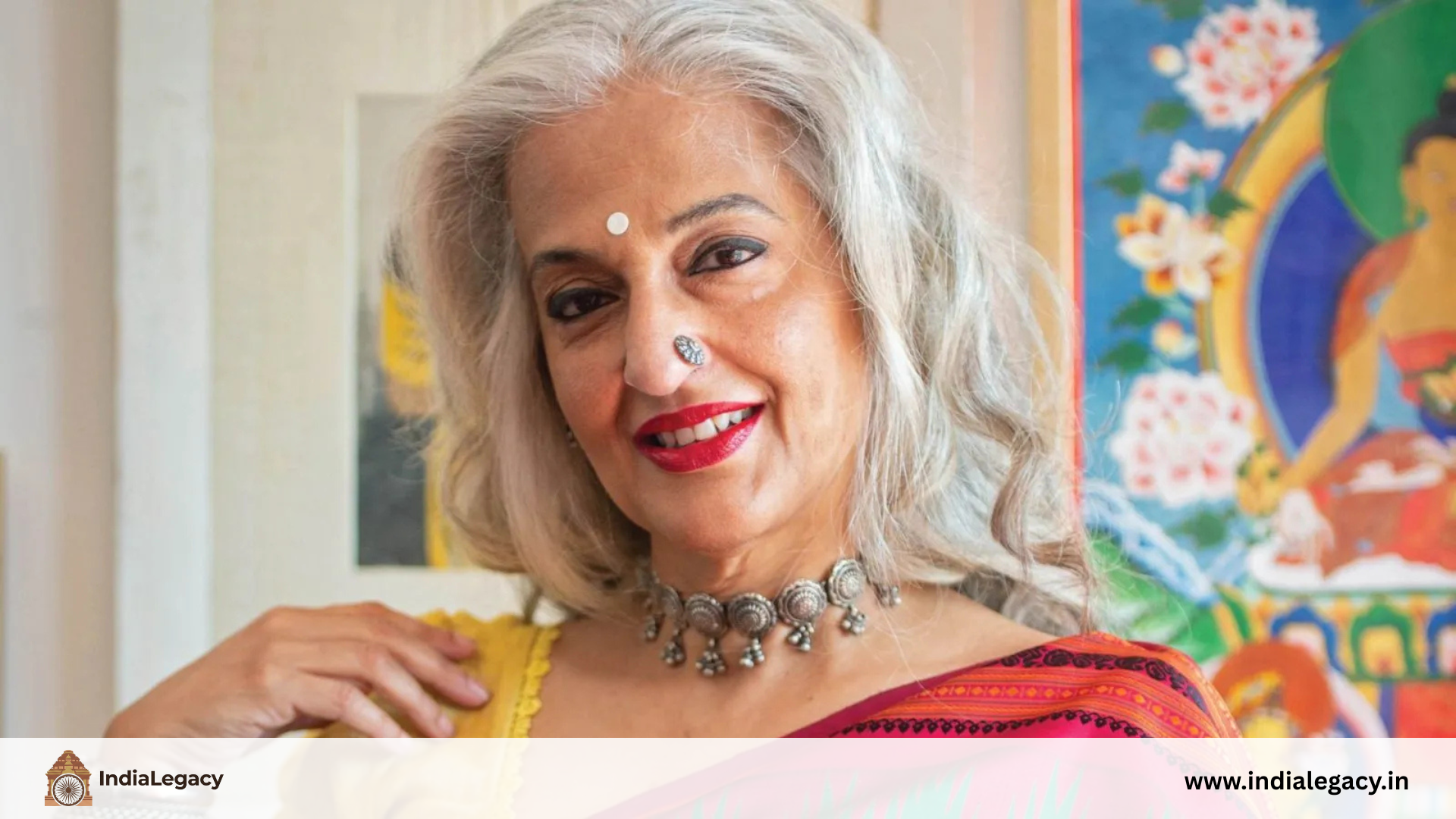
Who Is Seema Anand?
Seema Anand is an Indian mythologist, storyteller, and cultural educator who interprets ancient Indian texts — including the Mahabharata, Ramayana, Puranas, and tantric philosophy — for contemporary audiences. Her focus is not purely religious interpretation but rather cultural and psychological understanding.
She views mythology not as a collection of divine stories but as a reflection of human experience — rich with insights about emotions, relationships, power dynamics, and the enduring lessons of how to live well.
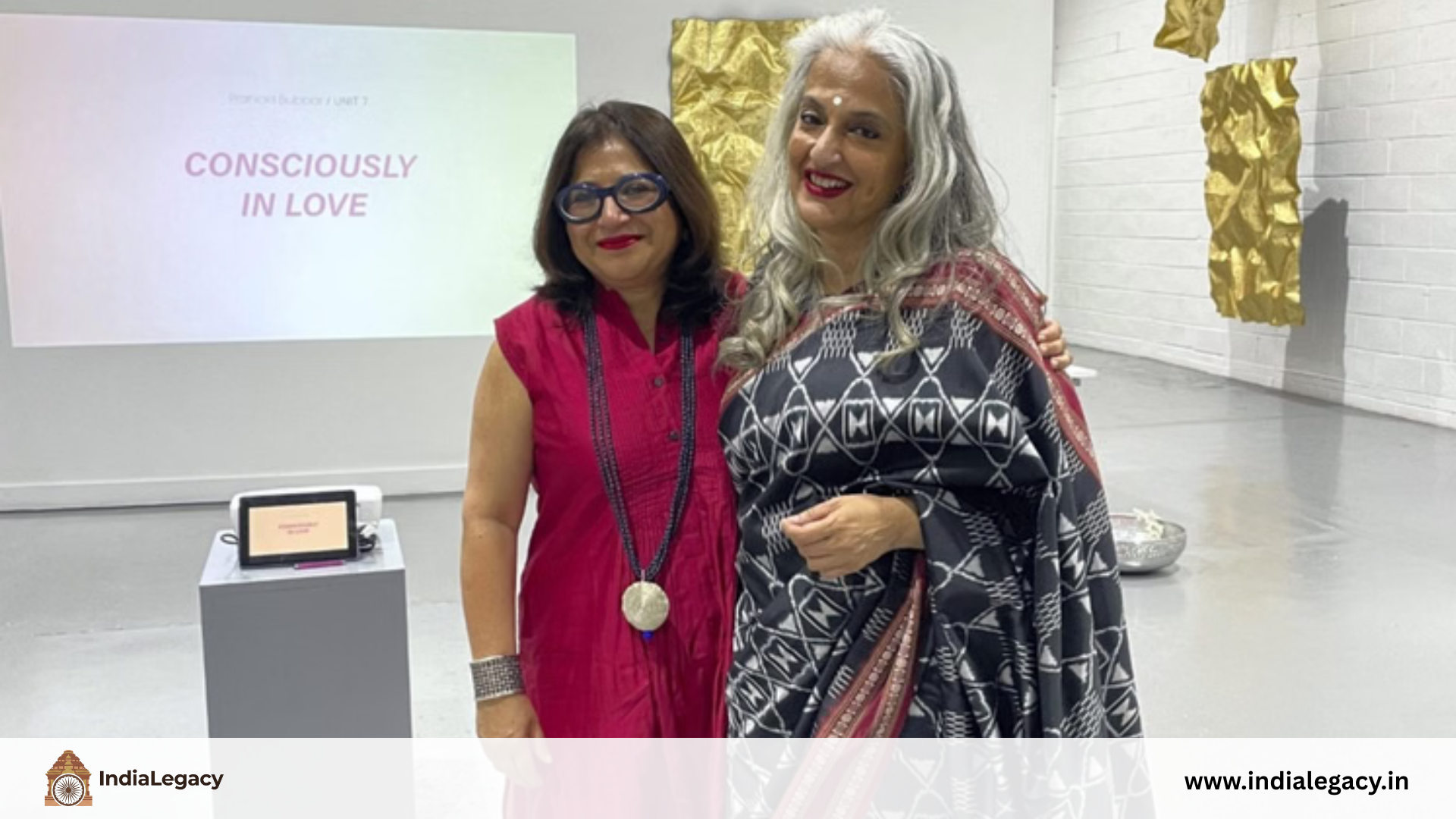
Seema Anand — Biography Quick Facts
| Full Name | Dr. Seema Anand |
|---|---|
| Profession | Indian mythologist, storyteller, author, and cultural educator |
| Known For | Connecting Indian mythology and tantra to modern life and relationships |
| Date of Birth | 18 August 1962 |
| Age | 63 years (as of 2026) |
| Nationality | Indian |
| Main Topics | Indian mythology, tantra, ancient wisdom, women-centric narratives |
| Texts She Works With | Mahabharata, Ramayana, Puranas, Kama Sutra, Bhagavad Gita |
| Work Style | Storytelling with historical context and modern relevance |
Early Life and Background
Seema Anand’s interest in mythology and storytelling developed early in life. Indian families have long carried a strong tradition of oral storytelling — passing down values, wisdom, and cultural memory through stories told across generations. It was this environment that shaped her thinking and gave her a deep respect for narrative as a form of knowledge.
She pursued academic exposure in literature, history, and cultural studies — both in India and abroad. This cross-cultural learning gave her a unique perspective: the ability to look at Indian mythology not as a local religious tradition but as a global cultural system with universal relevance.
Her Journey Into Mythology and Storytelling
Over time, Seema Anand observed that many ancient stories had been either oversimplified or misrepresented — stripped of their original meaning and reduced to moral cautionary tales or religious instruction. Her mission became clear: to restore the original depth of these stories without sensationalising them.
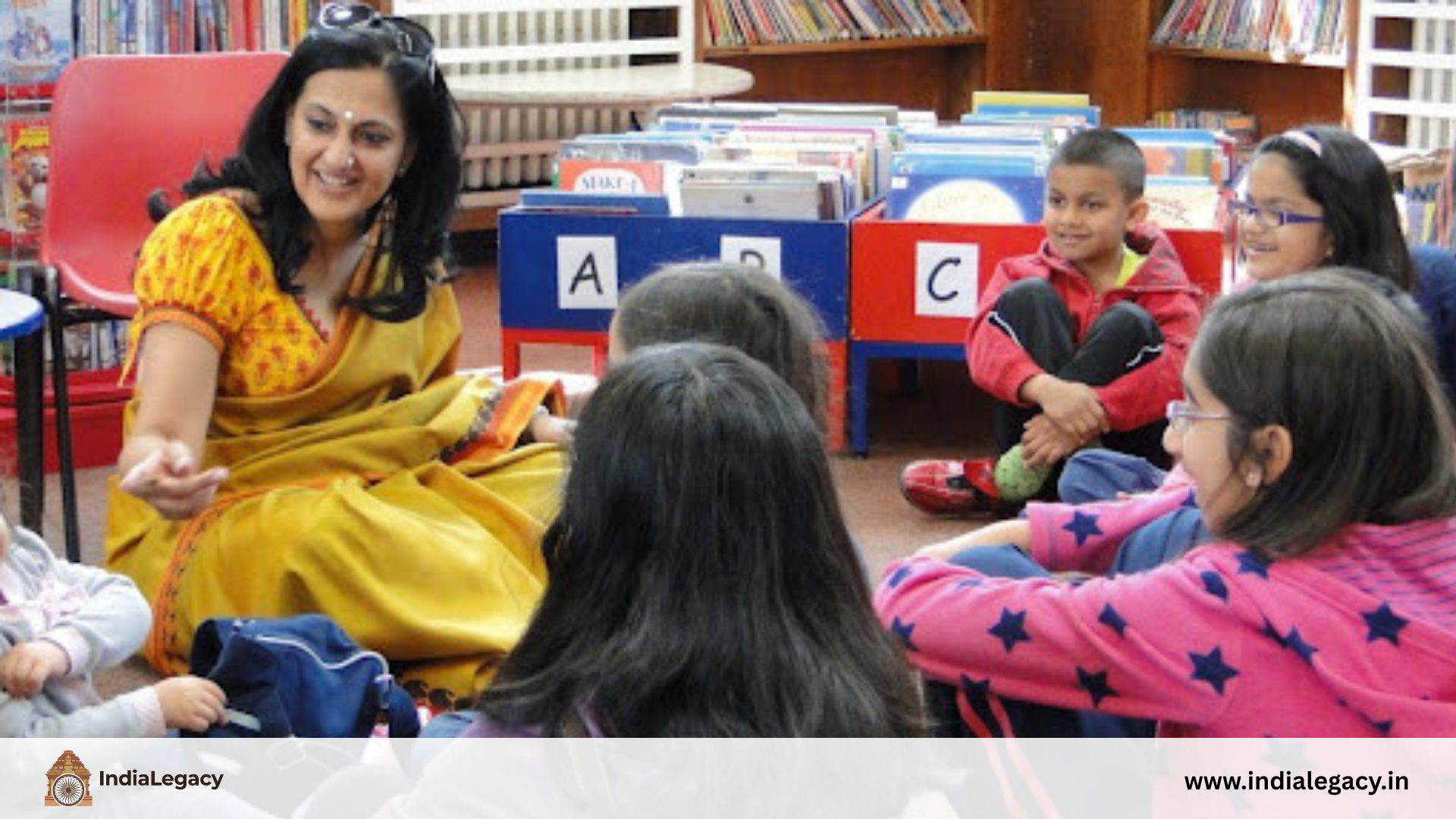
Through storytelling sessions, workshops, and lectures, she explains myths by focusing on their symbolism, emotional texture, and psychological insight. This approach — rigorous but accessible — is what established her as a respected voice in Indian mythology.
Her Work on Indian Mythology
Seema Anand’s body of work extends well beyond the popular epics. She explores regional folklore, lesser-known Puranic stories, and ancient Sanskrit texts that rarely receive mainstream attention. Her core argument is that mythology should not be judged by modern morality — it must be understood within its own historical and social context.
This approach makes mythology far more relatable, because it brings to the surface the human struggles and emotions at the heart of every story — grief, ambition, love, betrayal, identity, and the search for meaning. These are not ancient problems. They are permanent ones.
Her Perspective on Tantra and Ancient Indian Wisdom
One of the most valuable aspects of Seema Anand’s work is the clarity she brings to tantra — a subject that is almost universally misunderstood in popular culture. She explains that tantra is not primarily about physical practices. It is a philosophical system built around awareness, balance, and conscious living.
According to her interpretation, ancient Indian texts viewed pleasure and intimacy as natural parts of life — not shameful or hidden, but to be approached with responsibility, intention, and respect. This perspective challenges both the taboo-driven avoidance and the sensationalised distortion that tantra typically receives in modern discourse.
Making Ancient Texts Accessible to Modern Audiences
Perhaps Seema Anand’s greatest strength is her ability to translate complex Sanskrit concepts into clear, conversational language that modern audiences can immediately understand and apply. Beginners with no prior knowledge of Indian philosophy can follow her explanations without confusion.
Through podcasts, social media content, and online lectures, she has carried Indian heritage knowledge to a genuinely global audience — reaching Indians in the diaspora, international scholars, and curious readers across the world who might never have encountered these ideas otherwise.
Her Books and Writing
Alongside her work as a storyteller and educator, Seema Anand is also an author. Her books focus on Indian mythology, cultural traditions, and ancient perspectives on relationships and human experience. Her writing maintains the same tone as her spoken work — deeply educational rather than sensational, and grounded in genuine scholarship rather than popular entertainment.
Her Impact on the Conversation Around Women in Mythology
Seema Anand has offered fresh and significant perspectives on the female characters of Indian mythology — perspectives that are often absent from traditional interpretations. She highlights female agency, emotional depth, and strength in characters who have historically been presented as passive or secondary figures.
This reframing has resonated strongly with women looking to connect with their cultural identity in a way that feels honest and empowering rather than restrictive. Her work gives women permission to claim their mythology as their own — not as it was handed down, but as it actually was.
Why Seema Anand’s Work Matters Today
In an increasingly globalised world, disconnection from cultural roots has become a common experience — particularly for younger generations and members of the Indian diaspora. Seema Anand’s work addresses this directly. She demonstrates that being modern does not require abandoning tradition, and that ancient wisdom is not a relic of the past but a living resource.
Her teachings have practical applications in mental wellbeing, relationships, and self-awareness. By framing mythology as a tool for understanding the self rather than a set of rules to follow, she has made Indian heritage relevant in a deeply personal way.
Frequently Asked Questions
Who is Seema Anand?
Seema Anand is an Indian mythologist, storyteller, and cultural educator known for interpreting ancient Indian texts — including the Mahabharata, Ramayana, and Puranas — for modern audiences. She is particularly recognised for her work on tantra and women-centric narratives in Indian mythology.
What does Seema Anand teach?
She teaches Indian mythology and tantric philosophy through the lens of cultural understanding, psychology, and modern relevance. Her approach focuses on the human meaning behind ancient stories rather than purely religious or ritualistic interpretation.
What is Seema Anand’s view on tantra?
She views tantra as a philosophical system centred on awareness, balance, and conscious living — not simply as a set of physical practices. She argues that ancient Indian texts treated pleasure and intimacy as natural parts of life, to be approached with responsibility and respect.
Why is Seema Anand important for young Indians?
She helps young Indians reconnect with their cultural heritage in a way that feels relevant and empowering rather than outdated or restrictive. Her work shows that ancient wisdom has direct applications in modern life, relationships, and self-understanding.
What texts does Seema Anand work with?
Her work draws on the Mahabharata, Ramayana, various Puranas, the Kama Sutra, and the Bhagavad Gita, as well as regional folklore and lesser-known Sanskrit texts. She approaches all of these as cultural and philosophical documents rather than purely religious ones.
Has Seema Anand written any books?
Yes, Seema Anand has written books focused on Indian mythology, cultural traditions, and ancient perspectives on relationships. Her writing maintains a scholarly and educational tone, making complex subjects accessible without sensationalising them.
How does Seema Anand approach women in Indian mythology?
She reframes the female characters of Indian mythology to highlight their agency, emotional complexity, and strength — qualities that are often overlooked in traditional retellings. This approach has been particularly resonant for women seeking a more empowering connection to their cultural heritage.
Where can I find Seema Anand’s work?
Her work is available through podcasts, online lectures, social media platforms, and her published books. She has built a global audience through digital platforms, making her content accessible to anyone interested in Indian mythology and culture.
Conclusion
Seema Anand occupies a rare and valuable position in Indian cultural life — she is a bridge between the ancient and the contemporary, between scholarly depth and everyday accessibility. She has given mythology and tantra a meaningful, respectful, and practical context that resonates with people who might otherwise never have engaged with these traditions.
Her work does not just inform. It invites people to think, to question, and to reconnect with a heritage that is far richer and more nuanced than its popular image suggests. That is why Seema Anand has become one of the most important cultural voices in India today.
Note: This article is written for educational and cultural understanding purposes, based on publicly available information about Seema Anand’s work and public statements.