[india_weather]

South Indian Food: A Complete Guide to Dishes, Regions, and Traditions
In a kitchen anywhere from Chennai to Thiruvananthapuram, the morning usually starts with the same sound: mustard seeds crackling in hot coconut oil, followed a second later by a handful of curry leaves. That small step sits at the base of most South Indian food. The cooking of the five southern states, Tamil Nadu, Kerala, Karnataka, Andhra Pradesh and Telangana, is built on rice, coconut, lentils and tamarind, with each state handling them in its own way.
What South Indian food is built on
Rice is at the centre of nearly every meal. In Tamil Nadu and Karnataka it is usually white rice, in Kerala often the fat red matta rice, and in Andhra Pradesh and Telangana frequently sona masuri. A full meal, called saapadu in Tamil, oota in Kannada and bhojanam in Telugu, puts three or four vegetable dishes around the rice, along with sambar or rasam, curd or buttermilk, pickle, a fried papad and often a small sweet.
The step that ties the region together is tempering, called tadka in Hindi and thalippu in Tamil. Mustard seeds, urad dal, dried red chillies, curry leaves and sometimes a pinch of asafoetida are fried in hot oil and poured over a dish at the very end. It takes less than a minute and changes the flavour of the whole pot.
South Indian breakfast dishes
If there is one meal the south does better than anywhere else in India, it is breakfast. Most of the famous dishes come from a single fermented batter of rice and urad dal, used in different ways.
Idli is that batter steamed into soft, spongy cakes, served with coconut chutney and sambar. It is the everyday breakfast of Tamil Nadu and light enough to give to someone who is unwell.
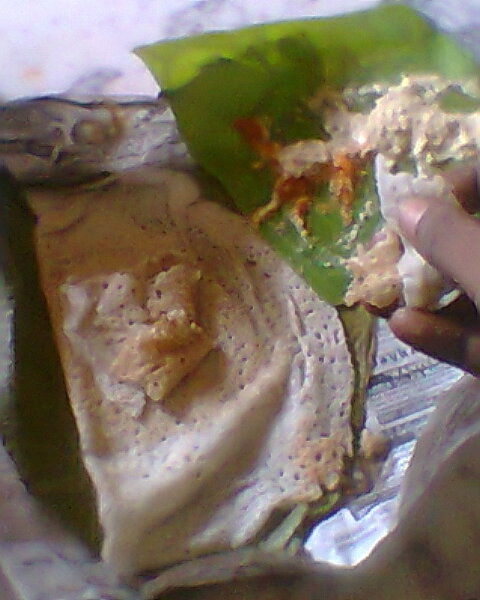
Dosa is the same batter spread thin on a hot iron tawa and cooked until crisp. There are dozens of versions: plain, masala dosa filled with spiced potato, onion dosa, rava dosa made with semolina, the soft set dosa served in threes, paper dosa, and Karnataka’s neer dosa, a thin rice crepe from the coast.
Uttapam uses the same batter but poured thicker, topped with tomato, onion and green chilli. Vada is a fried doughnut of ground urad dal, crisp outside and soft inside, usually served beside idli with sambar and chutney.
Pongal in Tamil Nadu is rice and moong dal cooked together until soft, then tempered with ghee, black pepper, cumin and cashews. In Kerala, appam is a rice pancake with lacy, crisp edges and a soft centre, traditionally eaten with a mild coconut milk stew.
Rice dishes for lunch and dinner
Lunch and dinner are built around rice, and many of the best-known dishes are rice mixed with something else.
- Sambar sadam: rice mixed with sambar, the everyday lunch of many Tamil homes.
- Curd rice (thayir sadam): cooked rice mixed with yogurt and tempered with mustard seeds and curry leaves. A South Indian meal traditionally ends with it.
- Bisi bele bath: a Karnataka dish of rice, dal and vegetables cooked together with a roasted spice powder.
- Puliyodarai: Tamil tamarind rice, sour and sharp with roasted spices, and a standard temple offering.
- Lemon rice, coconut rice and tomato rice: the dishes that fill South Indian tiffin boxes and get packed for long train rides.
Hyderabadi biryani is the best-known rice dish of Telangana. Long-grain rice and marinated meat are layered and slow-cooked in a sealed pot (the dum method), a style that grew up in the kitchens of Hyderabad’s Muslim rulers. It is now a cuisine in its own right, quite different from the biryanis of Lucknow or Kolkata.
Curries and stews by state
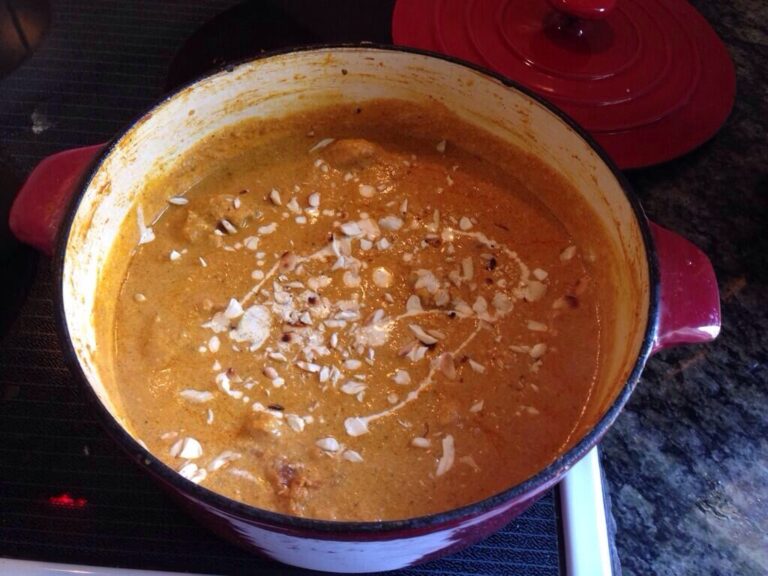
Sambar, a lentil and vegetable stew soured with tamarind and flavoured with roasted spices, appears at almost every Tamil meal. Rasam is its thinner, sharper cousin, a peppery, tangy broth that is drunk on its own or poured over rice.
Kerala’s cooking leans on coconut. Its stew is made with coconut milk, cardamom and mild whole spices, and avial is a mix of vegetables cooked with coconut, curd and curry leaves. Both are part of the Onam sadya.
Andhra food is known for its heat. Gongura pickle, made from sorrel leaves, is one of the sourest and sharpest tastes in Indian cooking, and Andhra chicken and mutton curries come in a fiery red gravy.
Karnataka covers a wide range. In the south you find bisi bele bath and Mysore pak, in Dharwad the famous peda, in Coorg a pork curry darkened with kachampuli vinegar, and along the coast Konkani and Mangalorean seafood.
South Indian sweets
South Indian sweets are less known outside the region, which is a pity. A few worth trying:
- Mysore pak: a rich, slightly grainy sweet of ghee, sugar and gram flour
- Payasam: rice or vermicelli cooked in milk or coconut milk with jaggery, cardamom and cashews
- Kesari bhath: a semolina sweet made with ghee and saffron
- Ada pradhaman: a Kerala payasam made with jaggery, coconut milk and flakes of rice ada
- Poornalu: Andhra’s fried dumplings with a sweet lentil and jaggery filling
South Indian filter coffee
Coffee, more than tea, is the traditional drink in much of Tamil Nadu and Karnataka. Filter coffee is a strong, dark decoction that drips slowly through a two-chambered brass or steel filter, and is then mixed with hot milk and sugar.
It is served in a small steel tumbler set inside a wider bowl called a dabara. Pouring it back and forth between the two from a height cools it and builds a froth on top. Ask for it in any Udupi restaurant, and drink it before it cools.
How South Indian food spread
Fifty years ago, most people in north India knew South Indian food only as idli and dosa. Today South Indian restaurants are among the most successful chains in Indian cities, and Saravana Bhavan, Anand Bhavan and countless Udupi restaurants can be found well beyond the south. Abroad, South Indian food has a large following in London, Singapore and North America.
Part of the reason is practical. Restaurant South Indian food is mostly vegetarian, quick to serve and affordable, and fermented batter travels well. The real test, though, is a masala dosa eaten straight off the tawa, before the crisp edges have had time to soften.
Read Next
- North Indian Food: A Complete Guide to Dishes, Regions, and Traditions
- Chola Dynasty History: Powerful South Indian Empire
- Vijayanagara Empire History: Rise, Rulers and Cultural Legacy
Frequently Asked Questions
Is South Indian food healthier than North Indian food?
Often, though it depends on the dish. Everyday South Indian meals use more fermented foods such as idli, dosa and curd, and less cream, though coconut, ghee and deep-fried snacks are common too.
What is the most famous South Indian dish?
Masala dosa is probably the best-known worldwide. Idli, sambar, filter coffee and Hyderabadi biryani follow close behind.
What is a South Indian meal on a banana leaf called?
It is saapadu in Tamil, oota in Kannada, bhojanam in Telugu and sadya in Malayalam. Kerala’s Onam sadya can have more than twenty dishes, served in a set order on the leaf.
Is South Indian food always vegetarian?
No. Restaurant menus outside the south are mostly vegetarian, but Kerala, Andhra Pradesh, Telangana and coastal Karnataka all have strong traditions of meat and seafood cooking.
Sources and Further Reading
- KT Achaya, Indian Food: A Historical Companion, Oxford University Press
- Chandra Padmanabhan, Dakshin: Vegetarian Cuisine from South India, Hachette India
- Ammini Ramachandran, Grains, Greens, and Grated Coconuts: Recipes and Remembrances of a Vegetarian Legacy, iUniverse