The Rise of the Mauryan Empire: How India’s First Great Empire Was Built
Mauryan Empire represents India’s first truly pan-continental political unification, emerging from a fragmented landscape of kingdoms and republics to create a centralized state spanning most of the subcontinent. Founded by Chandragupta Maurya around 322 BCE and reaching its zenith under Ashoka, this empire combined military conquest, sophisticated administration, economic integration and moral governance.
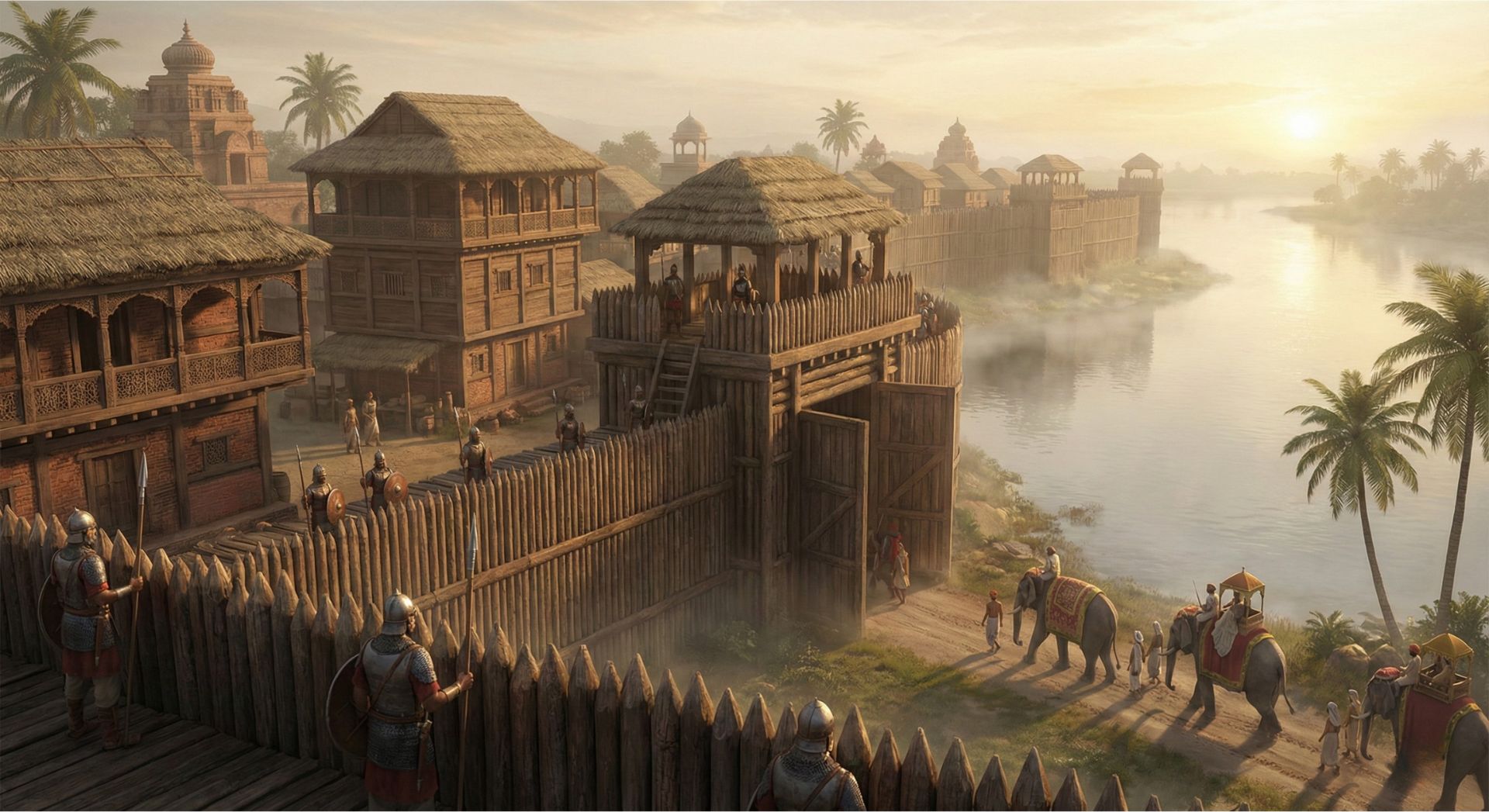
From the overthrow of the Nanda dynasty through strategic expansion to Ashoka’s transformative embrace of dhamma after the Kalinga war, the Mauryans built an imperial framework that influenced South Asian political thought for centuries. This comprehensive guide explores how India’s first great empire rose to power and reshaped the subcontinent’s history.
Overview Table of Mauryan Empire
| Aspect | Details |
|---|---|
| Time Period | c. 322 BCE – 185 BCE (105 years) |
| Founders/Key Rulers | Chandragupta Maurya, Bindusara, Ashoka the Great |
| Capital | Pataliputra (modern Patna) |
| Territorial Extent | Afghanistan to Bengal, Himalayas to Deccan (most of subcontinent) |
| Key Advisor | Chanakya (Kautilya) – author of Arthashastra |
| Military Strength | 600,000 infantry, 30,000 cavalry, 9,000 elephants |
| Defining Event | Kalinga War (261 BCE) and Ashoka’s conversion to Buddhism |
| Governance Innovation | Centralized bureaucracy, provincial administration, espionage network |
| Legacy | Ashokan edicts, spread of Buddhism, model of imperial kingship |
India Before Mauryas: Fragmented Mahajanapadas
Rise of Magadha and Nanda Power
Northern India featured 16 powerful mahajanapadas competing for supremacy, with Magadha emerging dominant due to its fertile Ganga valley lands, iron resources and strategic river location. The Nanda dynasty ruled Magadha with immense wealth – controlling 200,000 infantry, 20,000 cavalry and 3,000 elephants – but their harsh taxation bred widespread resentment.
This political fragmentation created perfect conditions for a unified empire. Magadha’s capital Pataliputra became the natural power center, strategically located at the confluence of major rivers and trade routes connecting east-west commerce.
Alexander’s Invasion Creates Opportunity
Alexander’s 326 BCE invasion weakened northwest Indian kingdoms, creating a power vacuum after his sudden death. His Seleucid successors struggled to maintain control beyond the Indus, leaving Punjab vulnerable to Indian counter-expansion by an ambitious leader who could exploit this instability.
Chandragupta Maurya: From Peasant to Emperor
Overthrowing the Nandas (322 BCE)
Chandragupta Maurya, possibly of low birth, rose through guerrilla warfare and strategic alliances masterminded by his teacher Chanakya. Legends describe Chanakya’s humiliation at Nanda court sparking a vow to destroy them, systematically building Chandragupta’s army from tribal recruits and disaffected soldiers.
After years of border raids weakening Nanda defenses, Chandragupta captured Pataliputra, ending Nanda rule and seizing their vast treasury, army and administration. This victory instantly made him master of eastern India.
Western Conquests and Seleucid Treaty
Chandragupta swiftly conquered northwest India, defeating Seleucid garrisons and local rulers. By 305 BCE, he forced Seleucus I Nicator into treaty negotiations, gaining Arachosia, Gandhara and Paropamisadae (modern Afghanistan/Pakistan) in exchange for 500 war elephants – a diplomatic masterstroke establishing Mauryan prestige internationally.
Chanakya: Mastermind Behind Empire Building
Arthashastra – Blueprint for Imperial Rule
Chanakya’s Arthashastra provided comprehensive statecraft guidelines covering economics, military strategy, espionage, law and diplomacy. Key principles included strong central authority, merit-based bureaucracy, spy networks monitoring officials, and pragmatic foreign policy using the six-fold diplomacy (alliance, peace, war, neutrality, preparation, duplicity).
The text emphasized measuring land precisely for taxation, state control of mines/forests, standardized weights/measures, and punishment systems ensuring justice while maintaining order. This rational, systematic approach distinguished Mauryan administration from earlier tribal/monarchical systems.
Training Chandragupta as Ideal King
Chanakya trained Chandragupta in statecraft from childhood, emphasizing self-control, strategic thinking and detachment from personal desires. Their partnership demonstrated how intellectual guidance combined with decisive leadership could transform regional power into continental empire.
Mauryan Administration: Centralized Power Structure
Provincial and District Governance
The empire divided into 4-5 major provinces (Taxila, Ujjain, Suvarnagiri, Tosali, Pataliputra directly ruled), each governed by royal princes or trusted officials called Kumaras or Aryaputras. Provinces subdivided into districts (300-400 each) managed by professional bureaucrats.
Village level administration handled local revenue, justice and records, creating multi-tier accountability where higher officials regularly inspected subordinates, preventing corruption through fear of exposure.
Economic Administration and Revenue
Land revenue formed 1/4th to 1/6th of produce, supplemented by trade taxes, tolls, state monopolies on mines/salt/forests. Irrigation projects, roads with rest houses every 8-10 miles, and standardized coinage (pana silver, mashaka copper) facilitated empire-wide commerce.
Military Might: Backbone of Imperial Authority
Fourfold Army Organization
Mauryan forces numbered 600,000 infantry, 30,000 cavalry, 8,000 chariots and 9,000 elephants – largest standing army of ancient world. Specialized corps included elephant forest battalions, riverine/naval forces and frontier guards protecting trade routes.
Military academies trained officers in tactics, logistics and engineering. War elephants provided psychological shock value and battlefield dominance against cavalry-dependent enemies.
Internal Security and Espionage
Extensive spy network included wandering ascetics, merchants, prostitutes and state-employed agents monitoring officials, public opinion and potential rebels. This intelligence system prevented coups and localized unrest before escalation.
Ashoka: From Conqueror to Dhamma Emperor
Kalinga War and Moral Transformation (261 BCE)
Ashoka’s eighth regnal year conquest of Kalinga killed 100,000, deported 150,000, with countless dying from war’s aftermath. This unprecedented carnage horrified Ashoka, leading to his conversion to Buddhism and rejection of digvijaya (conquest by arms) for dhammavijaya (conquest by righteousness).
Dhamma Policy: Ethical Governance
Ashoka’s dhamma promoted universal ethics transcending religious boundaries: non-violence, respect for parents/teachers/Brahmins/ascetics, generosity, truthfulness, purity. Special officers (Dhamma Mahamatras) propagated these principles and protected all religious communities impartially.
Ashokan Edicts: Imperial Propaganda Network
Rock Edicts and Pillar Edicts
33 Major Rock Edicts, 14 Pillar Edicts and numerous Minor Rock Edicts inscribed across empire in Prakrit (Brahmi/Kharosthi scripts), Greek/Aramaic (northwest). Placed on trade routes and public spaces for maximum visibility and oral transmission.
Edicts covered moral instruction, administrative reforms, animal welfare, medical facilities for humans/animals, road/tree planting, humane prison treatment – demonstrating unprecedented concern for subjects’ welfare.
International Buddhist Missions
Ashoka sent son Mahinda to Sri Lanka, daughter Sanghamitta with Bodhi tree sapling, and missions to Syria, Egypt, Greece, Thailand. Third Buddhist Council at Pataliputra standardized doctrine, creating missionary Sangha structure spreading Buddhism internationally.
Mauryan Economy and Infrastructure
Agricultural Backbone and Irrigation
Ganga valley’s double-cropping (rice, wheat, barley, millets) generated massive surpluses supporting urban populations and state revenue. State-sponsored irrigation canals, reservoirs, wells increased productivity across provinces.
Urban Centers and Trade Networks
Pataliputra, Taxila, Ujjain, Mathura flourished as commercial hubs linking internal trade (silks, cotton, spices, metals) with international commerce (Mediterranean, Southeast Asia). Punch-marked silver coins standardized transactions empire-wide.
Art, Architecture and Cultural Legacy
Polished Pillars and Stupas
Ashoka’s 30+ monolithic pillars (single sandstone blocks, mirror-polished) capped with animal capitals symbolized imperial dharma. Sarnath Lion Capital (4 lions back-to-back) became modern India’s national emblem.
Stupas at Sanchi, Bharhut, Sarnath housed Buddha relics, featuring intricate railings, toranas (gateways) blending indigenous and Persian artistic influences.
Decline and Mauryan Legacy
Factors Leading to Collapse
Weak successors after Ashoka, heavy taxation burdening economy, vast territory stretching administrative control, possible Brahmanical reaction against Buddhist favoritism contributed to fragmentation after 232 BCE.
Lasting Imperial Model
Mauryan administrative structure influenced Gupta, Mughal empires. Ashoka’s dhamma kingship ideal permeates Indian political thought. Empire demonstrated subcontinent’s capacity for continental-scale political unity and cultural integration.
Frequently Asked Questions About Mauryan Empire
1. Who founded the Mauryan Empire?
Chandragupta Maurya founded the empire around 322 BCE by overthrowing the Nanda dynasty with Chanakya’s guidance, establishing Pataliputra as capital.
2. What was Chanakya’s role in Mauryan rise?
Chanakya (Kautilya) served as chief minister and strategist, authoring Arthashastra and training Chandragupta in statecraft, military tactics and administration.
3. How did Chandragupta defeat Seleucus?
Chandragupta forced Seleucus I into 305 BCE treaty through military pressure, gaining northwest territories in exchange for 500 war elephants and marriage alliance.
4. What caused Ashoka’s transformation?
The Kalinga War (261 BCE) killed 100,000+ and deported 150,000, horrifying Ashoka and leading to his Buddhist conversion and dhamma policy rejecting violence.
5. What is Ashoka’s dhamma?
Dhamma promoted universal ethics – non-violence, respect for all religions, compassion, truthfulness, generosity – enforced through Dhamma Mahamatras across diverse empire.
6. How large was Mauryan army?
600,000 infantry, 30,000 cavalry, 8,000 chariots, 9,000 elephants formed largest ancient standing army, with specialized elephant corps dominating battlefields.
7. What were Ashokan edicts?
Rock/pillar inscriptions in Prakrit/Greek across empire promoted dhamma, welfare policies, religious tolerance – earliest dated Indian writing promoting ethical governance.
8. Who wrote Arthashastra?
Chanakya (Kautilya) authored Arthashastra, comprehensive statecraft manual covering economics, espionage, diplomacy, law – foundation of Mauryan administration.
9. What was Mauryan provincial system?
4-5 provinces governed by royal princes/Kumaras, subdivided into 300-400 districts with professional bureaucrats ensuring centralized control through inspections.
10. How did Mauryans promote trade?
Royal roads with rest houses every 8 miles, standardized punch-marked coins, weights/measures, state protection of merchants created empire-wide commerce network.
11. What caused Mauryan decline?
Weak successors, heavy taxation, over-centralization, Brahmanical backlash against Buddhism, vast territory difficult to control led to fragmentation by 185 BCE.
12. Which animals symbolized Mauryan pillars?
Lion (Sarnath), bull, elephant, horse capitals atop polished sandstone pillars symbolized imperial dharma – Sarnath lions became modern India emblem.
13. Did Ashoka make India Buddhist?
No, Ashoka promoted dhamma tolerating all religions while personally patronizing Buddhism, sending missions creating international Sangha network.
14. What was Nanda dynasty weakness?
Nandas controlled vast wealth/army but harsh taxation alienated subjects, creating opportunity for Chandragupta’s rebellion exploiting popular discontent.
15. How did Mauryans use espionage?
Extensive spy network of ascetics, merchants, prostitutes monitored officials/public opinion, preventing rebellion through constant intelligence surveillance.
16. What were Mauryan revenue sources?
Land tax (1/4th-1/6th produce), trade tolls, state monopolies (mines, salt, forests), irrigation fees funded massive army/administration/public works.
17. Where were major Mauryan stupas built?
Sanchi, Bharhut, Sarnath, Amaravati stupas housed Buddha relics, featuring intricate toranas symbolizing Buddhism’s imperial patronage.
18. What was Uttarapatha trade route?
Royal highway from Pataliputra to Taxila connected empire’s economic heartland to northwest trade with Central Asia/Mediterranean.
19. Who succeeded Ashoka?
Dasharatha, Samprati, Shalishuka, Devavarman, Shatadhanvan – weak rulers oversaw empire’s fragmentation culminating in Brihadratha’s assassination (185 BCE).
20. Why called India’s first empire?
First pan-subcontinental political unity with centralized administration, provincial governors, standing army, unified coinage transcending regional kingdoms.
Conclusion
The Mauryan Empire marked the beginning of political unity in India. Its rulers established strong administrative systems, ethical governance, and cultural integration that influenced Indian history for centuries.
The legacy of Chandragupta Maurya, Chanakya, and Ashoka continues to inspire ideas of leadership, governance, and moral responsibility even today.