
North Indian Food Guide: Famous Dishes, Culture, History & Traditional Cuisine
North Indian cuisine is a symphony of flavors, a tapestry woven with centuries of history, diverse cultures, and rich traditions. From the royal kitchens of Mughal emperors to the humble hearths of Punjab, this culinary heritage offers an unforgettable gastronomic experience that has captivated food lovers worldwide.
Indian cuisine varies widely across regions. While North Indian food is known for wheat-based breads, rich gravies, and dairy, South Indian cuisine focuses more on rice, lentils, and fermented dishes. To explore this contrast in detail, read our complete guide on South Indian food, famous dishes, and traditional meals.
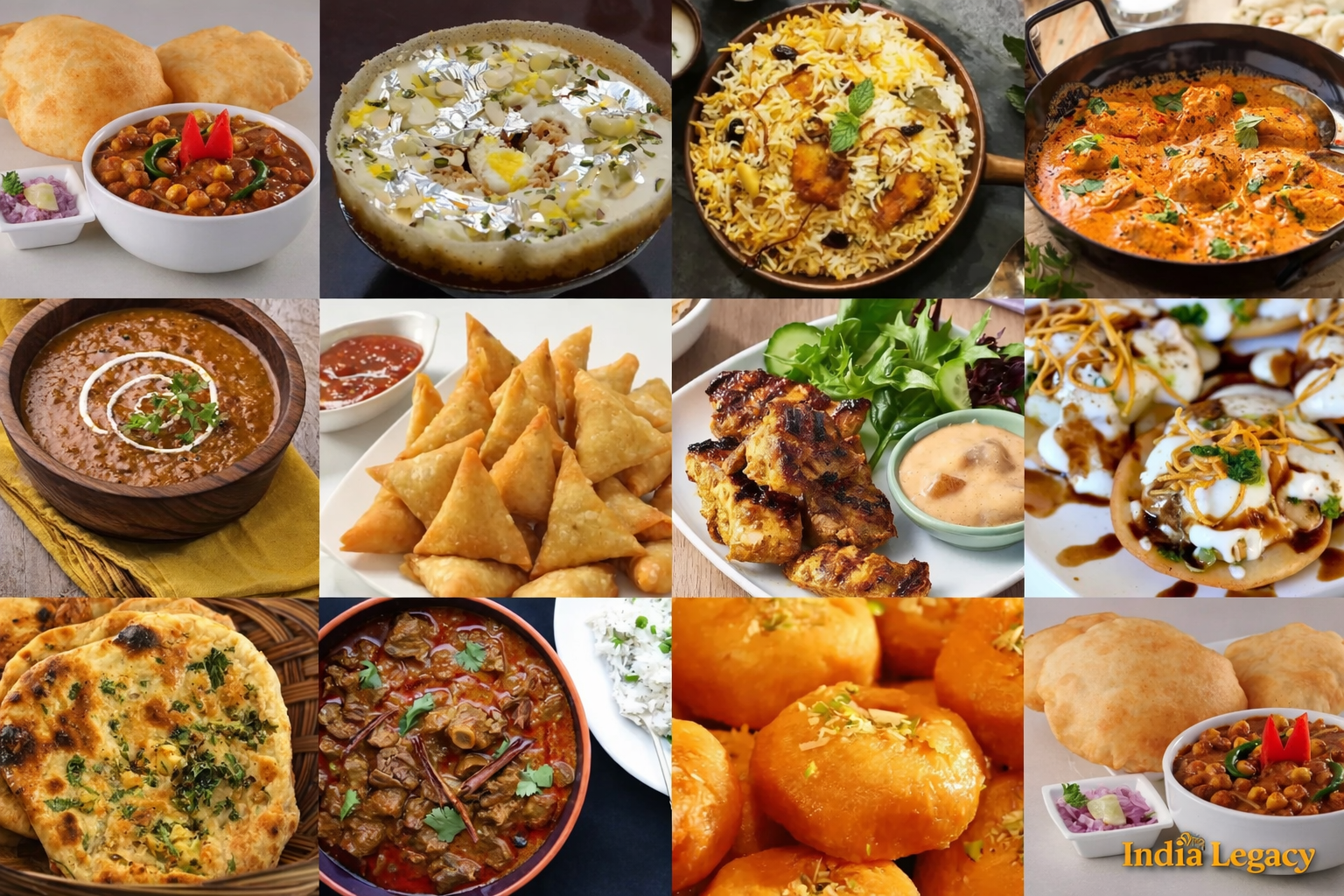
The Cultural Tapestry of North Indian Cuisine
North Indian food is more than just sustenance; it’s a reflection of the region’s vibrant history and cultural
diversity. The cuisine has been shaped by various influences including Mughal, Persian, and Afghan traditions,
blending seamlessly with indigenous cooking methods to create something truly extraordinary. Each dish tells a story
of conquest, trade, celebration, and everyday life across the plains of Punjab, the valleys of Kashmir, the deserts
of Rajasthan, and the bustling streets of Delhi.
The generous use of dairy products like ghee, cream, and paneer, combined with aromatic spices such as cumin,
coriander, cardamom, and garam masala, creates the distinctive flavor profile that defines North Indian cooking. The
cuisine celebrates richness and warmth, with dishes that are as comforting as they are flavorful.
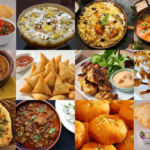
Iconic Dishes That Define the Region
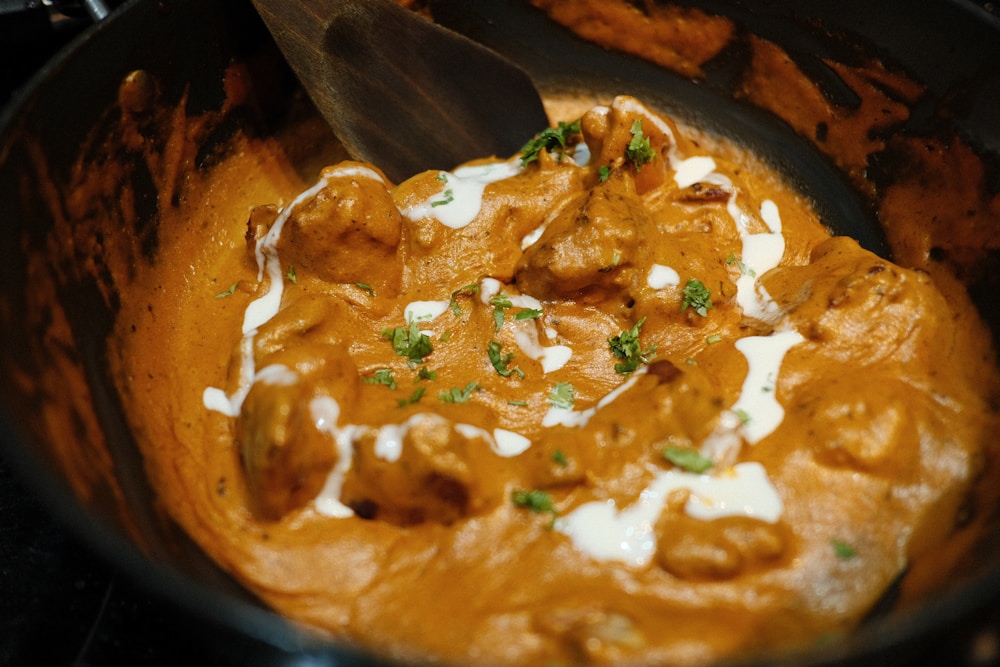
Butter Chicken
Tender chicken pieces swimming in a velvety tomato-based gravy enriched with butter and cream. This
Delhi delicacy is beloved worldwide.
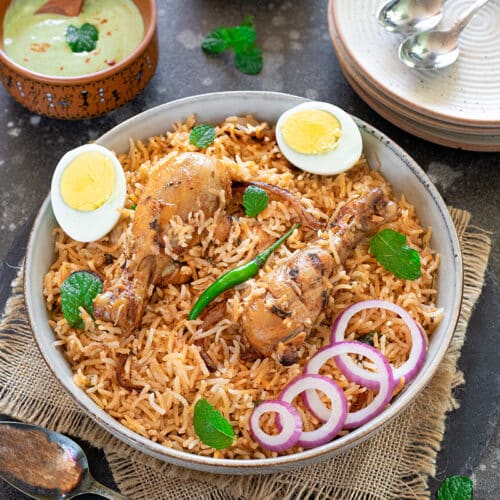
Biryani
Fragrant basmati rice layered with marinated meat, saffron, and aromatic spices, slow-cooked to
perfection in the traditional dum style.
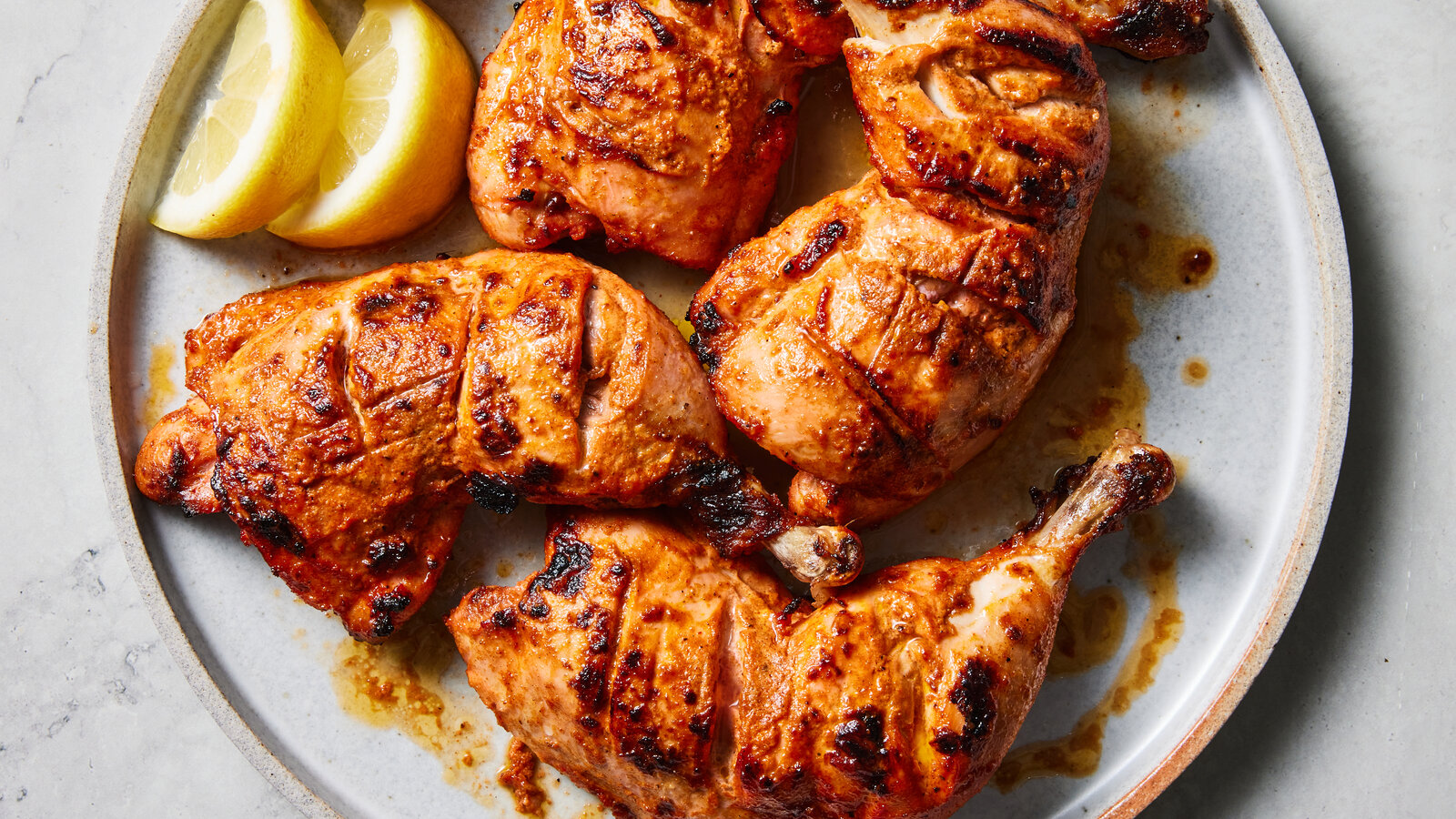
Tandoori Chicken
Chicken marinated in yogurt and spices, cooked to smoky perfection in a clay tandoor oven, resulting in
charred, flavorful meat.
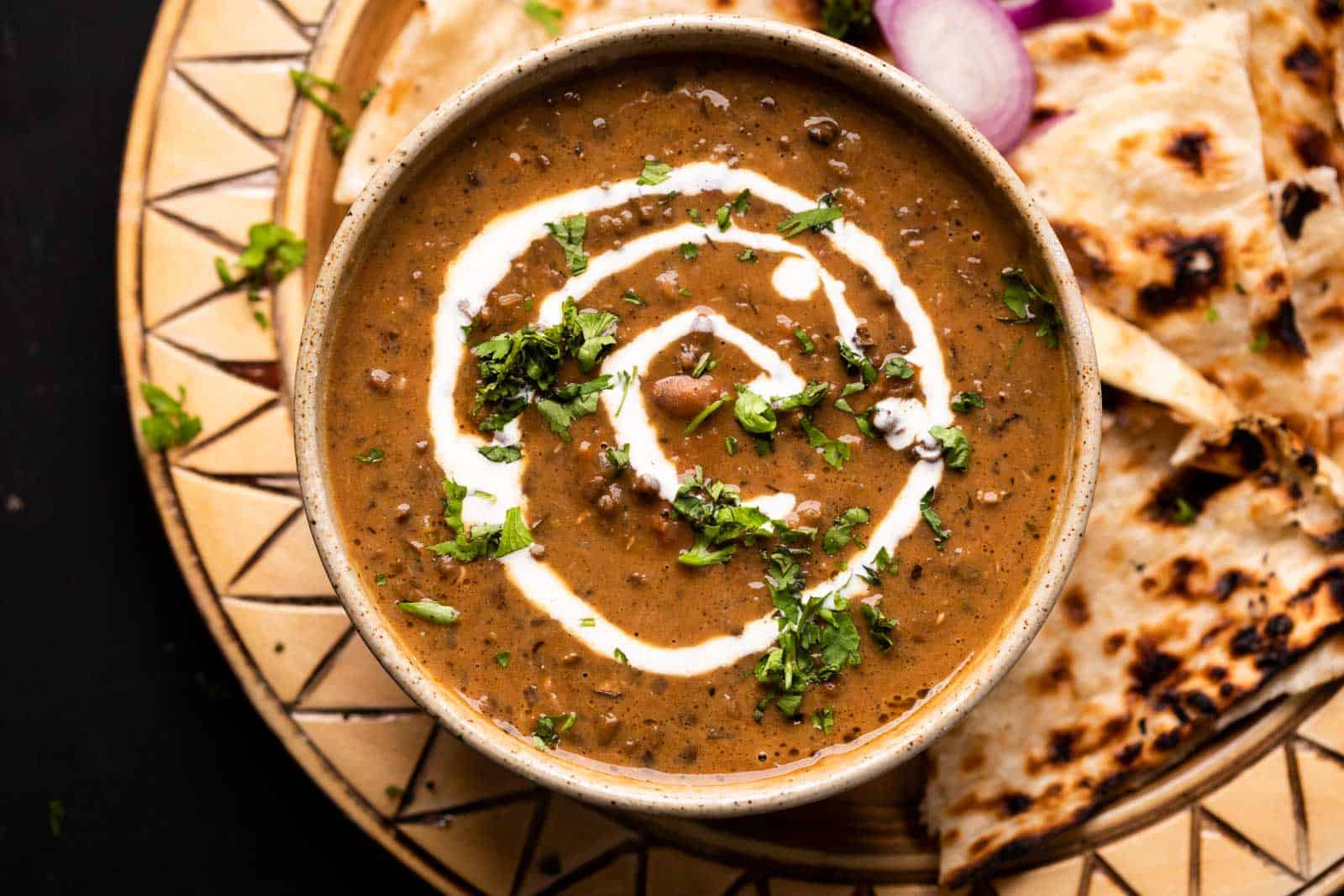
Dal Makhani
Black lentils slow-cooked overnight with butter, cream, and spices, creating a rich and creamy comfort
food staple.
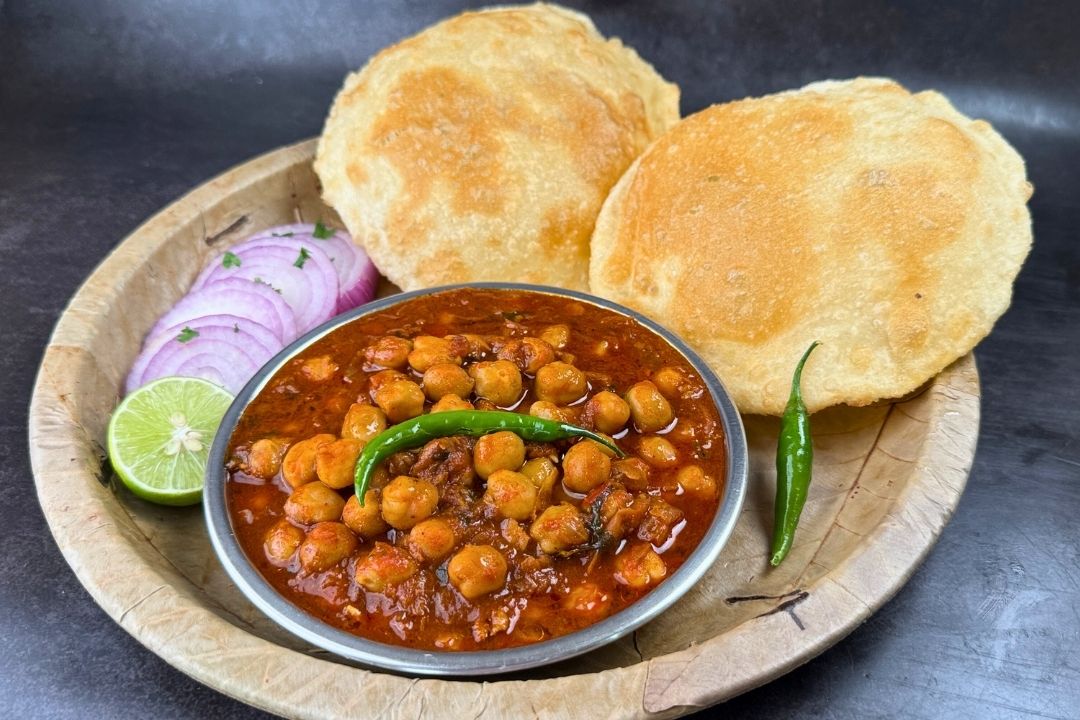
Chole Bhature
Spicy chickpea curry paired with fluffy, deep-fried bread. This Punjabi favorite is the ultimate
indulgent breakfast.
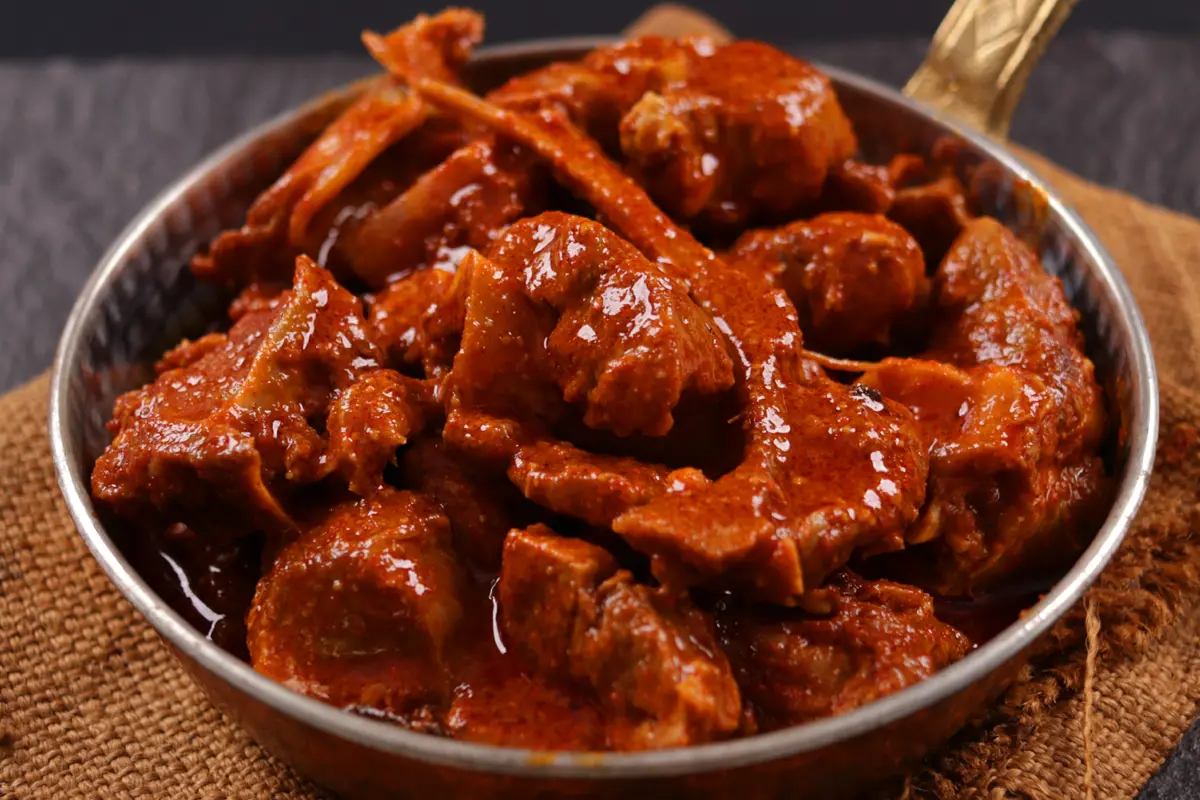
Rogan Josh
A Kashmiri masterpiece featuring tender lamb cooked in aromatic spices with a signature red color from
Kashmiri chilies.
Regional Variations: A Diverse Culinary Landscape
The diversity seen in North Indian regional cuisine is mirrored in South India as well, where climate and culture shape food traditions differently. You can compare these regional differences in our detailed South Indian cuisine guide.
Punjab: The Land of Abundance
Punjabi cuisine is characterized by its robust flavors and generous use of ghee and butter. From the iconic
Sarson ka Saag and Makki ki Roti to the creamy Lassi, Punjab’s food reflects the warmth and hospitality of its
people. The tandoor, a clay oven, is central to Punjabi cooking, producing everything from naan bread to
succulent kebabs.
Kashmir: The Paradise of Flavors
Kashmiri cuisine stands apart with its subtle yet complex flavors. The Wazwan, a multi-course meal, is the crown
jewel of Kashmiri hospitality. Dishes like Gushtaba, Yakhni, and Kahwa tea showcase the Persian and Central
Asian influences, with generous use of saffron, dry fruits, and mild spices that warm the soul in the cold
mountain climate.
Rajasthan: Desert Delicacies
Rajasthani food is a testament to culinary ingenuity in harsh desert conditions. Dishes like Dal Baati Churma,
Laal Maas, and Gatte ki Sabzi use ingredients that can withstand the extreme climate. The cuisine relies heavily
on ghee, milk, and lentils, with preparations that can last for days without refrigeration.
Delhi: The Melting Pot
As the capital, Delhi’s cuisine is a beautiful amalgamation of various North Indian traditions. From street food
like Chaat, Paranthas at Paranthe Wali Gali, to the refined Mughlai cuisine, Delhi offers an incredible range of
flavors. The city’s food scene perfectly represents the diversity of North Indian cuisine.
The Art of Bread Making
Bread is not just an accompaniment in North Indian cuisine; it’s an art form. Each region boasts its own varieties,
from the butter-laden Naan and Kulcha of Punjab to the layered Paratha and simple Roti. The Tandoori Roti, cooked in
a clay oven, has a distinctive smoky flavor and charred spots that make it irresistible. Breads like Bhatura and
Puri, deep-fried to golden perfection, offer textural contrast and are often served during celebrations and special
occasions.
The Spice Box: Heart of North Indian Cooking
The masala dabba (spice box) is an essential tool in every North Indian kitchen. It typically contains cumin
seeds, coriander powder, turmeric, red chili powder, garam masala, and more. The art lies not just in using
these spices but in understanding how to balance them. Tempering spices in hot ghee or oil releases their
essential oils and creates the foundation for countless dishes. The perfect blend can transform simple
ingredients into extraordinary meals.
Celebrations and Food: An Inseparable Bond
Food plays a central role in North Indian celebrations and festivals. During Diwali, homes are filled with the aroma
of freshly made sweets like Gulab Jamun, Jalebi, and Barfi. Holi brings Gujiya and Thandai, while Eid is incomplete
without Sheer Khurma and Biryani. Weddings showcase the grandeur of North Indian cuisine with elaborate menus
featuring dozens of dishes, from appetizers to desserts, each more decadent than the last.
The concept of langar in Sikhism, where free meals are served to all regardless of background, demonstrates how food
in North India transcends mere sustenance to become a medium of community, equality, and spiritual practice.
Street Food: The Soul of North Indian Cuisine
No exploration of North Indian food is complete without diving into its vibrant street food culture. From the tangy
Golgappas (Pani Puri) that explode with flavor in your mouth to the crispy Samosas served with spicy chutney, street
food represents the democratic nature of Indian cuisine. Aloo Tikki, Dahi Bhalla, Papdi Chaat, and Pav Bhaji are not
just snacks; they’re experiences that bring people together across social and economic boundaries.
The Vegetarian Paradise
North India is a vegetarian’s dream destination, offering an incredible array of meat-free dishes that are far from
being mere side dishes. Paneer, the fresh cottage cheese, takes center stage in numerous preparations. Palak Paneer
combines spinach and cheese in a creamy gravy, while Shahi Paneer bathes the cheese cubes in a rich, royal
cashew-based sauce. Paneer Tikka, marinated and grilled, rivals any meat dish in flavor and satisfaction.
Beyond paneer, vegetables are celebrated in their own right. Baingan Bharta transforms humble eggplant into a smoky,
spiced delicacy. Aloo Gobi, the classic potato and cauliflower combination, exemplifies how simple ingredients can
create magic. Bhindi Masala showcases okra in a dry spice preparation, while Malai Kofta features fried vegetable
dumplings in a creamy gravy that’s indulgent enough for any celebration.
The variety of dal (lentil) preparations alone could fill volumes. From the simple yet satisfying Tadka Dal to the
elaborate Dal Makhani, lentils are prepared in countless ways across the region. Each family has their own secret
recipe, passed down through generations, making every dal unique. The humble rajma (kidney beans) curry, when paired
with rice, becomes comfort food that evokes memories of home and maternal love.
The Sweet Symphony: Desserts and Mithai
North Indian desserts are legendary for their richness and variety. These sweets, collectively known as mithai, are
not just desserts but an integral part of celebrations, religious ceremonies, and social occasions. The preparation
of these delicacies is considered an art form, with specialized sweet shops called halwais dedicated entirely to
their creation.
Gulab Jamun, those soft, spongy balls soaked in rose-scented sugar syrup, are perhaps the most iconic Indian sweet.
Their preparation requires skill and patience, achieving the perfect texture that’s neither too soft nor too firm.
Jalebi, those bright orange spirals of fried batter soaked in syrup, are best enjoyed fresh and hot, their crispy
exterior giving way to syrupy sweetness.
Kulfi, the traditional Indian ice cream, is denser and creamier than its Western counterpart, often flavored with
cardamom, saffron, or pistachios. Kheer, the rice pudding enriched with milk, sugar, and dry fruits, is a staple at
religious ceremonies and festivals. Gajar ka Halwa, made from grated carrots slow-cooked in milk and ghee, is a
winter specialty that warms both body and soul.
Barfi comes in countless varieties – plain milk barfi, coconut barfi, chocolate barfi, and the festive Kaju Katli
made from cashews. Each sweet tells a story, whether it’s the Petha of Agra, the Pinni of Punjab, or the Ghevar of
Rajasthan. These sweets are not just treats; they’re expressions of love, celebration, and cultural identity.
Beverages: Beyond the Meal
North Indian beverages complement the rich cuisine perfectly. Lassi, the yogurt-based drink, comes in sweet and
salty versions, both refreshing and cooling to the palate after a spicy meal. The thick, creamy texture and the
slight tang of yogurt make it an ideal digestive aid. In Punjab, Lassi is often served in large steel glasses,
topped with a dollop of cream and sometimes flavored with cardamom or rose water.
Chai, or spiced tea, is more than just a beverage in North India; it’s a ritual, a social connector, and a daily
necessity. Made by boiling tea leaves with milk, sugar, and spices like cardamom, ginger, and sometimes black
pepper, chai is consumed throughout the day. The roadside chai stalls, or tapris, are social hubs where people from
all walks of life gather, discuss politics, share stories, and build community over small glasses of steaming tea.
Kashmiri Kahwa, a fragrant green tea infused with saffron, cardamom, and almonds, represents the refined tea culture
of the Kashmir valley. Thandai, a cooling drink made with milk, almonds, fennel seeds, and rose petals, is
traditionally consumed during Holi celebrations. Sugarcane juice, freshly extracted from roadside vendors, and Jal
Jeera, a tangy cumin-spiced drink, provide refreshment during hot summers.
The Role of Ghee: Liquid Gold
Ghee, clarified butter, holds a sacred and central place in North Indian cooking. More than just a cooking medium,
ghee is considered auspicious and is used in religious ceremonies and rituals. Its rich, nutty flavor enhances
everything it touches, from simple dal to elaborate desserts. The traditional practice of making ghee at home from
butter churned from yogurt is still maintained in many households, despite the easy availability of commercial ghee.
The health benefits of ghee have been recognized in Ayurveda for centuries, and modern science is now validating
many of these claims. High-quality ghee is said to aid digestion, boost immunity, and provide essential fatty acids.
In North Indian homes, a spoonful of ghee on hot rice or roti is considered not just delicious but also nourishing.
The practice of tadka, tempering spices in hot ghee, is fundamental to countless recipes, releasing the essential
oils and creating aromatic foundations for dishes.
The Influence of Mughal Cuisine
The Mughal Empire’s influence on North Indian cuisine cannot be overstated. The Mughals brought with them Persian
and Central Asian culinary traditions that merged beautifully with local flavors and techniques. This fusion created
what we now know as Mughlai cuisine, characterized by rich gravies, the use of dry fruits and nuts, aromatic spices,
and elaborate cooking techniques.
Korma, a mild curry made with yogurt and cream, originated in Mughal kitchens. Nihari, a slow-cooked meat stew
traditionally eaten for breakfast, was a favorite of Mughal nobility. The biryani itself came to India through
Mughal influence, evolving into numerous regional varieties. The Mughals also introduced the concept of elaborate
multi-course meals and the practice of dum pukht cooking, where food is sealed in a pot and slow-cooked over coals.
The refinement and sophistication of Mughal cuisine elevated Indian cooking to an art form. The practice of layering
flavors, the careful balance of spices, and the emphasis on presentation all stem from Mughal culinary philosophy.
Even today, restaurants serving Mughlai cuisine are considered upscale, and these dishes are reserved for special
occasions and celebrations.
Home Cooking vs. Restaurant Food
While restaurant food in North India is spectacular, home-cooked meals hold a special place in the culture. Home
cooking tends to be lighter, using less oil and cream than restaurant versions, focusing on everyday comfort rather
than elaborate presentation. The love and care that goes into home-cooked meals, the secret family recipes, and the
personal touches make them irreplaceable.
Every household has its own variations of standard dishes. A mother’s dal might taste different from her daughter’s,
even when following the same recipe, because cooking is not just about measurements but about intuition, experience,
and that indefinable element of personal touch. The practice of cooking in North Indian homes is often a
multi-generational activity, with recipes and techniques passed down orally, each generation adding their own
innovations while respecting tradition.
Weekend cooking often involves more elaborate preparations. Families might spend Sunday mornings making parathas
stuffed with various fillings – potatoes, cauliflower, radish, or paneer. The process of rolling out the dough,
adding the filling, and cooking them on a hot griddle is often a family affair, with different members contributing
to different steps. These meals, eaten together, strengthen family bonds and create lasting memories.
Food as Medicine: The Ayurvedic Connection
North Indian cooking is deeply influenced by Ayurvedic principles, the ancient Indian system of medicine. Many
spices used in everyday cooking have medicinal properties. Turmeric is a powerful anti-inflammatory, cumin aids
digestion, coriander cools the body, and ginger helps with nausea and respiratory issues. The combination of spices
in dishes is not random but follows principles of balancing the body’s doshas.
The concept of food as medicine is embedded in North Indian culture. When someone is unwell, specific foods are
prepared – khichdi (a rice and lentil porridge) for digestive issues, haldi doodh (turmeric milk) for colds and
inflammation, or ajwain (carom seed) water for stomach problems. These remedies have been used for centuries and
continue to be the first line of treatment in many households.
The practice of eating according to seasons is another Ayurvedic principle followed in North Indian cooking. Summer
dishes are lighter and cooling, featuring ingredients like yogurt and cucumber. Winter foods are heavier and
warming, with increased use of ghee, jaggery, and warming spices. This seasonal approach to eating keeps the body in
balance and aligned with natural cycles.
The Modern Evolution and Global Influence
While traditional recipes are cherished and preserved, North Indian cuisine continues to evolve. Modern chefs are
reimagining classic dishes with contemporary techniques and presentations while maintaining the soul of traditional
cooking. Health-conscious adaptations use less oil and cream without compromising on flavor, and fusion dishes blend
North Indian flavors with global cuisines, creating exciting new taste experiences.
North Indian cuisine has also made its mark globally. Indian restaurants can be found in virtually every major city
worldwide, with many achieving Michelin stars and critical acclaim. Dishes like chicken tikka masala have become
national favorites in countries far from India. The global popularity has led to interesting adaptations –
vegetarian versions of traditionally meat dishes, fusion creations combining Indian spices with local ingredients,
and modern interpretations of classic recipes.
The rise of food blogging, YouTube cooking channels, and social media has democratized access to North Indian
recipes. Home cooks worldwide can now learn authentic techniques from Indian grandmothers and professional chefs
alike. This global exchange has enriched the cuisine further, with ideas flowing both ways, creating new traditions
while honoring old ones.
The Community Aspect: Eating Together
In North Indian culture, food is fundamentally communal. The concept of eating alone is relatively foreign; meals
are meant to be shared. Large families gathering for lunch on weekends, friends meeting over chai and pakoras,
neighbors sharing festival sweets – these social aspects of eating are as important as the food itself. The act of
feeding someone is considered a blessing, and hospitality is shown through generous servings and variety.
The tradition of serving food on a thali, a large plate with small bowls containing different dishes, represents the
North Indian philosophy of balanced eating. A typical thali might include dal, sabzi (vegetable curry), rice, roti,
raita (yogurt preparation), pickle, and a sweet – offering all six tastes recognized in Ayurveda: sweet, sour,
salty, bitter, pungent, and astringent. This ensures nutritional balance and satisfies all taste preferences.
Cooking Techniques That Define the Cuisine
The tandoor, dum pukht (slow cooking in sealed pots), and bhunao (slow roasting of spices) are signature cooking
methods. The tandoor imparts a unique smoky flavor to meats and breads. Dum pukht, perfected by the Mughals,
involves cooking food in its own juices in a sealed pot, resulting in incredibly tender and flavorful dishes.
These techniques have been passed down through generations and remain integral to authentic North Indian
cooking.
Frequently Asked Questions (FAQs)
1. What is North Indian food famous for?
North Indian food is famous for rich gravies, breads like naan and roti, dishes such as butter chicken, dal makhani, biryani, and royal Mughlai cuisine.
2. What are the main ingredients used in North Indian cuisine?
Common ingredients include wheat, rice, lentils, ghee, paneer, yogurt, tomatoes, onions, and aromatic spices.
3. Is North Indian food spicy?
North Indian food is flavorful but not always very spicy. It focuses more on richness, aroma, and balanced spices.
4. What is the difference between North Indian and South Indian food?
North Indian food is wheat-based with rich gravies and dairy, while South Indian food is rice-based with fermented dishes and lighter flavors.
5. Which breads are popular in North Indian food?
Popular breads include naan, roti, paratha, kulcha, bhatura, and puri.
6. Is North Indian food vegetarian-friendly?
Yes, North India offers a wide variety of vegetarian dishes including paneer, lentils, vegetables, and grain-based meals.
7. What role does ghee play in North Indian cooking?
Ghee enhances flavor, aroma, and nutrition and is widely used in cooking, tempering, and festive dishes.
8. What is Mughlai cuisine?
Mughlai cuisine is a royal cooking style introduced by the Mughals, known for rich gravies, nuts, cream, and slow-cooking techniques.
9. What are popular North Indian street foods?
Popular street foods include samosa, golgappa, aloo tikki, chaat, pav bhaji, and dahi bhalla.
10. Why is North Indian food popular worldwide?
Its rich flavors, variety of vegetarian and non-vegetarian dishes, iconic recipes, and cultural heritage make it globally popular.
Conclusion: A Culinary Legacy
North Indian cuisine is a living tradition that continues to evolve while staying rooted in its rich heritage. It’s
a cuisine that welcomes experimentation yet reveres tradition, that can be both simple and elaborate, rustic and
refined. Every dish carries within it centuries of history, the wisdom of countless home cooks, and the creativity
of master chefs.
Whether you’re savoring a home-cooked meal, enjoying street food, or dining at a fine restaurant, North Indian food
offers an experience that engages all the senses. It’s about the sizzle of spices in hot ghee, the aroma of freshly
baked naan, the visual feast of colorful curries, the texture of perfectly cooked rice, and most importantly, the
flavors that create memories lasting a lifetime.
This culinary journey through North India is more than just about food; it’s about understanding a culture,
celebrating diversity, and appreciating the artistry that goes into every dish. As you explore this magnificent
cuisine, you’re not just tasting food; you’re experiencing history, tradition, and the warmth of Indian hospitality.

Great read ! I loved how you explained the history and flavours of north indian cuisine in such a simple and engaging way . thanks for sharing informative article!