
Mukesh Ambani’s Rs 7 Lakh Crore Investment in Gujarat: A Turning Point for India’s Energy and Technology Future
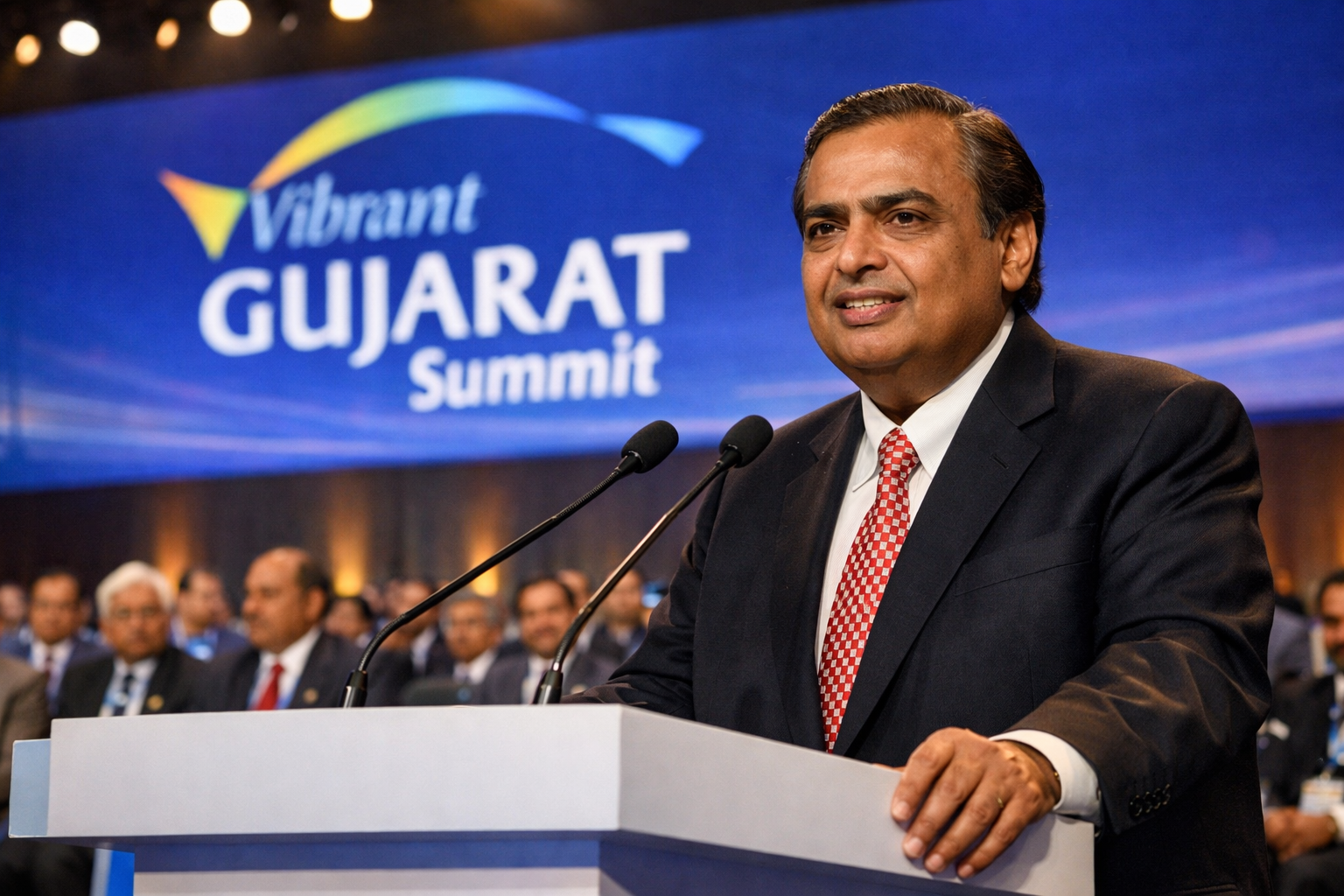
When Mukesh Ambani stood before industry leaders and policymakers in Gujarat and announced an investment of Rs 7 lakh crore over the next five years, it was more than a corporate declaration. It was a statement of intent. At a time when India is rethinking how it produces energy, builds digital infrastructure, and creates long-term employment, this commitment placed Gujarat firmly at the center of that conversation.
Reliance Industries has been part of Gujarat’s industrial story for decades. From refineries to petrochemicals, the state has played a critical role in the company’s growth. What makes this latest announcement different is its direction. The focus is no longer limited to traditional energy or manufacturing. Instead, it is about clean power, artificial intelligence, data infrastructure, and sustainable development at a scale India has rarely seen.
Why This Announcement Matters Beyond the Headlines
Large investment numbers often make news, but not all of them carry long-term significance. This one does. A Rs 7 lakh crore investment spread across five years signals confidence, planning, and a belief that the future economy will reward those who invest early in transformation.
For Gujarat, the announcement reinforces its reputation as one of India’s most industry-friendly states. For India, it sends a message that domestic capital is ready to fund the country’s next phase of growth without waiting for global money to lead the way.
What also stands out is timing. Around the world, countries are racing to secure clean energy supply chains and build domestic digital infrastructure. Energy security and data sovereignty have become strategic priorities. This investment directly addresses both.
Gujarat’s Role in Reliance’s Long-Term Strategy
Reliance Industries did not choose Gujarat by accident. The state offers a combination that is difficult to replicate elsewhere. It has strong port connectivity, a reliable power grid, established industrial zones, and an administration experienced in handling large-scale projects.
Over the years, Gujarat has demonstrated an ability to absorb massive capital investments without major disruption. That experience matters when projects involve renewable energy parks, hydrogen facilities, and data centers that require precise coordination.
By deepening its presence in Gujarat, Reliance is not only expanding capacity but also reducing execution risk. Familiarity with local systems, suppliers, and infrastructure creates a smoother path for projects of this size.
Clean Energy at the Heart of the Rs 7 Lakh Crore Plan
The largest share of this investment is expected to flow into clean energy. This marks a decisive shift from the company’s legacy association with fossil fuels. While oil refining and petrochemicals remain important, the future focus is clearly renewable.
Solar power, energy storage, green hydrogen, and low-carbon materials are all part of the roadmap. Jamnagar, already known globally for its refining complex, is being reshaped into a clean energy hub. This transition is significant not only for Reliance but for India’s energy narrative as a whole.
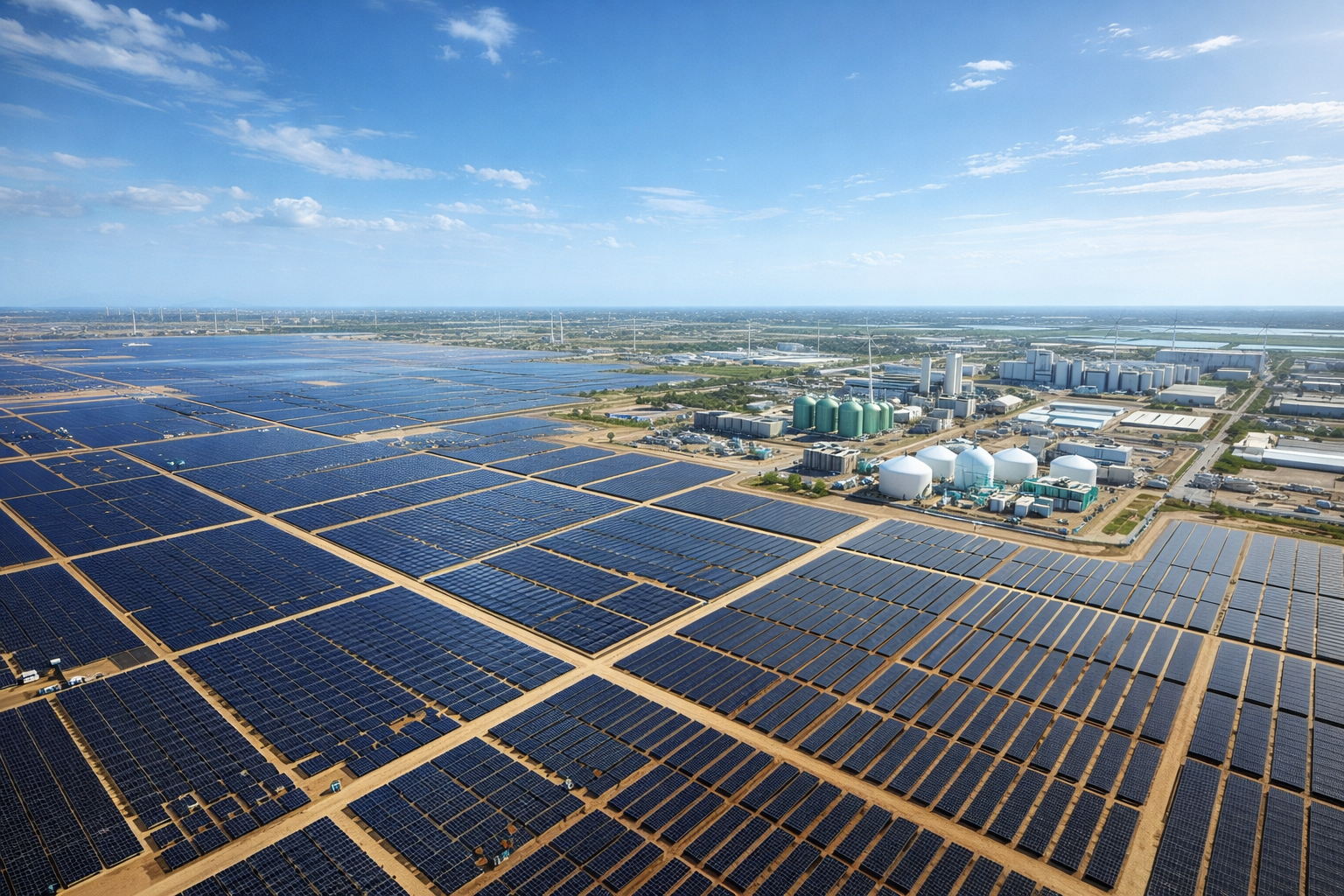
Large-scale renewable projects require more than just technology. They demand land, transmission infrastructure, skilled manpower, and long-term policy clarity. Gujarat offers all four, making it a natural base for this transformation.
Green Hydrogen and the Next Industrial Shift
One of the most closely watched aspects of the investment plan is green hydrogen. Unlike conventional hydrogen, green hydrogen is produced using renewable energy, making it a clean alternative for industries that are difficult to decarbonize.
Steel, cement, shipping, and heavy transport are all sectors where green hydrogen could play a transformative role. By investing early in this space, Reliance is positioning itself as both a producer and a technology leader.
Gujarat’s geography supports this ambition. High solar potential, available land, and proximity to ports make it suitable not just for domestic use but also for exports. Over time, green hydrogen could become a new pillar of India’s export economy.
The Digital Side of the Investment Story
Energy is only one half of the picture. The other is digital infrastructure. As artificial intelligence becomes embedded in daily life, the demand for computing power and secure data storage is growing rapidly.
Reliance’s plan to build AI-ready data centers in Gujarat reflects an understanding that digital growth cannot rely indefinitely on overseas infrastructure. Local data centers improve reliability, reduce latency, and address concerns around data security.

There is also a social dimension to this push. The company has spoken about making AI tools available in Indian languages. If implemented effectively, this could lower barriers to digital adoption for millions of users across education, healthcare, and small businesses.
Employment, Skills, and the Local Economy
Investments of this scale inevitably raise questions about jobs. While automation and advanced technology often reduce labor intensity, the overall employment impact of this plan is expected to be positive.
Construction, operations, maintenance, logistics, and supporting services will all require manpower. In addition, the clean energy and digital sectors demand new skill sets, creating opportunities for technical training and upskilling.
Local businesses stand to benefit as well. From component suppliers to service providers, the ripple effect of large projects extends far beyond the main facilities.
What This Means for Gujarat’s Economic Future
For Gujarat, the investment strengthens its position as a future-focused economy rather than just a manufacturing base. Clean energy and digital infrastructure are sectors with long growth runways.
Increased industrial activity also improves state revenues, which can be reinvested into infrastructure, education, and healthcare. Over time, this creates a virtuous cycle of growth and development.
The announcement also enhances Gujarat’s visibility on the global investment map. When one of India’s largest companies commits at this scale, it attracts attention from international partners and investors.
Reliance Industries at a Strategic Crossroads
For Reliance, this investment represents a defining phase. The company is consciously diversifying away from carbon-intensive businesses toward cleaner and more technology-driven models.
This transition is not without risk. New technologies take time to mature, and returns may not be immediate. However, Reliance’s financial strength allows it to take a long-term view, absorbing short-term volatility in pursuit of future leadership.
The Gujarat investment is a clear signal that the company sees sustainability and digital capability as core to its identity over the next several decades.
India in the Global Energy and Technology Race
Globally, countries are competing to control clean energy supply chains and AI infrastructure. Massive public and private investments are being made in the United States, Europe, and East Asia.
India’s challenge has been scale and speed. Domestic investments like this help bridge that gap. They reduce dependence on imports and ensure that strategic infrastructure remains under Indian control.
If executed well, the projects in Gujarat could place India among the leading nations in clean energy manufacturing and digital services.
Execution Will Decide the Legacy
Ambition alone does not guarantee success. Projects of this size face challenges related to land acquisition, regulatory approvals, supply chains, and technological integration.
Reliance’s experience in executing complex projects offers reassurance, but transparency and timely delivery will be essential. Community engagement and environmental responsibility will also play an important role in maintaining public trust.
The next five years will reveal whether this investment becomes a benchmark for sustainable growth or simply a bold announcement.
Conclusion: More Than an Investment, a Statement of Direction
The Rs 7 lakh crore investment announced by Mukesh Ambani is not just about expanding capacity. It reflects a broader shift in how India’s largest corporations view their role in the country’s future.
By placing clean energy and digital infrastructure at the center of its strategy, Reliance is aligning business growth with national priorities. Gujarat, with its industrial maturity and policy stability, provides the ideal platform for this transformation.
If delivered as planned, this investment could redefine how India powers its economy, stores its data, and prepares its workforce for the decades ahead. In that sense, it may be remembered not just as a corporate milestone, but as a turning point in India’s development story.