Diwali: Festival of Lights, Legends, Rituals, and Modern Celebrations
Diwali, also known as Deepavali, stands as one of the most spectacular and widely celebrated festivals in the world. This ancient Hindu festival of lights illuminates not just homes and streets but also hearts and spirits, symbolizing the eternal victory of light over darkness, good over evil, and knowledge over ignorance. Celebrated by over a billion people across the globe, Diwali transcends religious boundaries, uniting communities in joy, prosperity, and spiritual renewal.
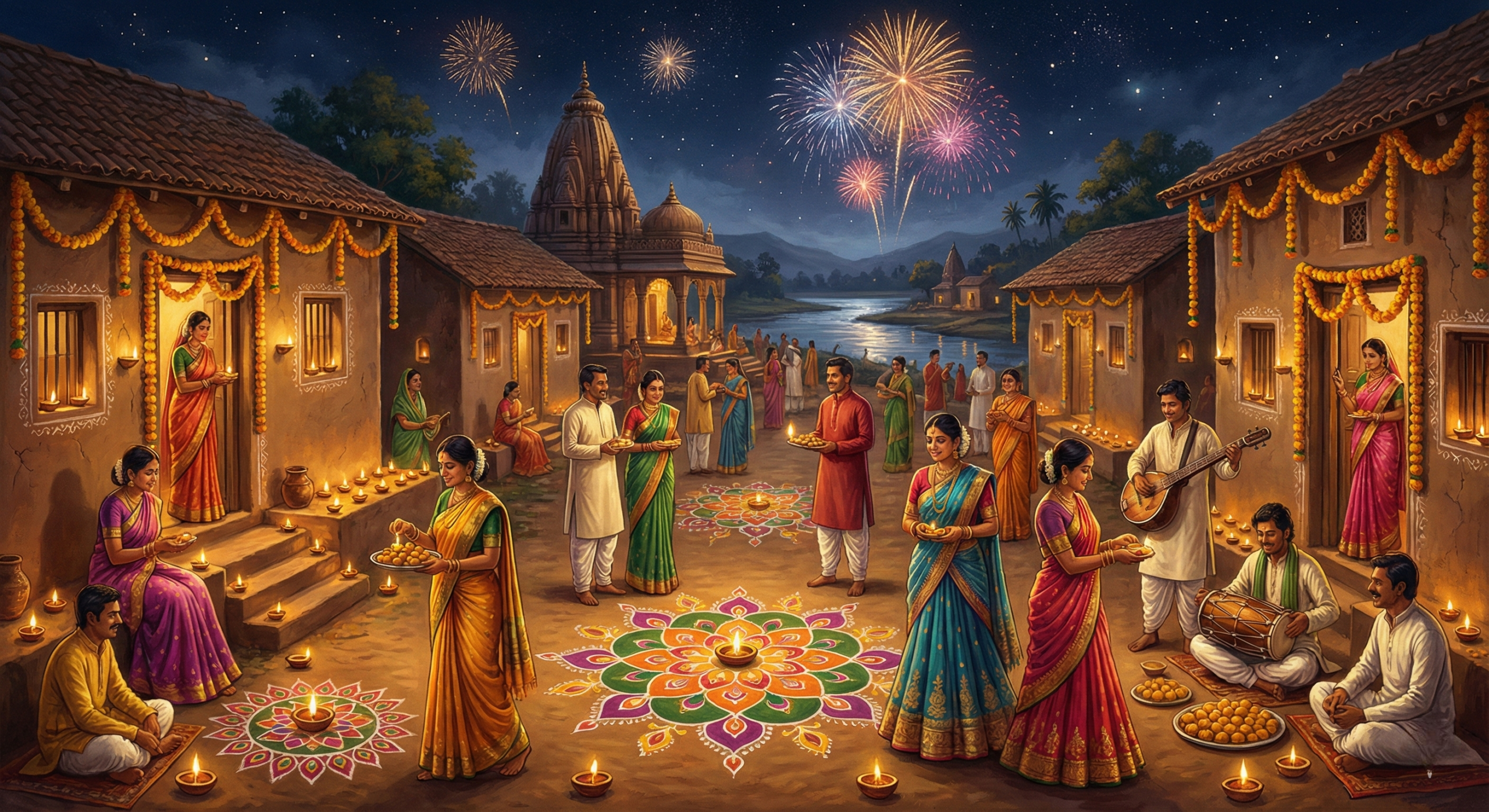
The festival’s name derives from the Sanskrit words “deepa” (light) and “avali” (row), literally meaning “row of lights.” This perfectly captures the essence of Diwali, when millions of clay lamps, candles, and modern lights transform cities, towns, and villages into glittering wonderlands. The sight of countless diyas flickering in the darkness creates an atmosphere of magic and reverence that has captivated people for thousands of years.
Diwali is not merely a single day of celebration but a five-day festival, each day carrying its own significance, rituals, and legends. From cleaning and decorating homes to performing elaborate pujas, from bursting firecrackers to sharing sweets, from creating intricate rangoli patterns to wearing new clothes, Diwali encompasses a rich tapestry of traditions that vary across regions while maintaining a common thread of spiritual significance and communal joy.
Diwali: Festival Overview
| Festival Name | Diwali (also spelled Deepavali or Divali) |
| Meaning | “Row of Lights” – from Sanskrit “deepa” (light) + “avali” (row) |
| Religion | Primarily Hindu, also celebrated by Jains, Sikhs, and some Buddhists |
| Duration | Five days, with the main celebration on the third day (new moon night) |
| When Celebrated | October or November (based on lunar calendar – Kartik month, new moon) |
| Primary Deities | Goddess Lakshmi (wealth), Lord Ganesha (wisdom), Lord Rama (for some regions) |
| Core Symbolism | Victory of light over darkness, good over evil, knowledge over ignorance |
| Main Rituals | Lighting diyas, Lakshmi Puja, rangoli creation, fireworks, sharing sweets |
| Traditional Foods | Sweets (mithai) like ladoo, barfi, gulab jamun; savory snacks like samosas, chakli |
| Five Days Names | Dhanteras, Naraka Chaturdashi, Diwali, Govardhan Puja, Bhai Dooj |
| Regional Variations | Different legends and customs in North, South, East, and West India |
| Colors Associated | Gold, red, orange, yellow – representing prosperity and auspiciousness |
| Traditional Decorations | Diyas (oil lamps), rangoli, marigold flowers, mango leaves, torans (door hangings) |
| Business Significance | Marks new financial year for many businesses; auspicious for new ventures |
| Global Celebrations | Celebrated in India, Nepal, Sri Lanka, Malaysia, Singapore, Fiji, Trinidad, UK, USA, Canada, Australia |
| Official Holiday | National holiday in India, Nepal, Sri Lanka, Myanmar, Mauritius, Guyana, Trinidad & Tobago, Suriname, Malaysia, Singapore, Fiji |
| UNESCO Recognition | Recognized as Intangible Cultural Heritage by UNESCO in several countries |
| Economic Impact | One of India’s biggest shopping seasons; generates billions in retail sales |
| Environmental Initiatives | Growing trend toward eco-friendly diyas, reducing firecracker pollution, sustainable celebrations |
| Modern Adaptations | LED lights, virtual celebrations, eco-conscious practices, fusion of traditional and contemporary styles |
The Ancient Origins and History of Diwali
The origins of Diwali stretch back thousands of years into ancient Indian history, with references found in Sanskrit texts dating to the first millennium BCE. Archaeological evidence suggests that the practice of lighting lamps during autumn festivals existed in ancient India as early as the Vedic period, though the specific associations and legends attached to Diwali evolved over centuries.
Historical References
Ancient Sanskrit texts including the Puranas, the Mahabharata, and various other scriptures contain references to autumn festivals involving lights and celebrations. The Padma Purana mentions the lighting of lamps in honor of Goddess Lakshmi, while the Skanda Purana describes the festival’s religious significance. These texts reveal that Diwali celebrations were well-established in ancient Indian society, though regional variations in observance have always existed.
Historical records from different dynasties show royal patronage of Diwali celebrations. The Gupta Empire (320-550 CE) saw elaborate festivities, while inscriptions from medieval Indian kingdoms describe grand Diwali observances at royal courts. The festival’s importance transcended religious boundaries, with various rulers regardless of their personal faith recognizing Diwali’s cultural significance and participating in public celebrations.
Evolution Through the Ages
Over millennia, Diwali evolved from primarily agricultural harvest celebrations combined with new moon worship into the complex, multifaceted festival we know today. Different regions incorporated local legends, deities, and customs, creating the rich diversity of Diwali traditions across the Indian subcontinent. The festival absorbed influences from various religious movements, including Vaishnavism, Shaktism, and later Jainism and Sikhism, each adding layers of meaning and practice.
During the medieval period, Diwali celebrations at royal courts became increasingly elaborate, with emperors and kings competing to host the grandest festivities. These royal celebrations influenced popular observance, introducing customs like gift-giving, elaborate decorations, and large-scale community gatherings that continue today.
The Legends and Mythology of Diwali
One of Diwali’s most enchanting aspects is the rich tapestry of legends and mythology associated with the festival. Different regions of India emphasize different stories, though all share common themes of good triumphing over evil and light dispelling darkness.
The Return of Lord Rama (Most Popular Legend)
The most widely known Diwali legend, particularly in North India, commemorates Lord Rama’s return to Ayodhya after fourteen years of exile and his victory over the demon king Ravana. According to the epic Ramayana, when Rama, his wife Sita, and brother Lakshmana returned to Ayodhya, the citizens lit countless oil lamps to illuminate their path and celebrate the return of their righteous king.
This legend explains Diwali’s timing, falling on the new moon night of Kartik month when the sky is darkest, symbolizing how the people of Ayodhya lit lamps to compensate for the absent moonlight and honor their beloved prince’s homecoming. The story embodies Diwali’s core message: after enduring darkness and hardship, light and righteousness ultimately prevail. The fourteen-year exile represents life’s trials, while Rama’s return symbolizes the soul’s journey from ignorance to enlightenment.
Goddess Lakshmi’s Birth
Another significant legend, particularly emphasized in Western and Southern India, relates to Goddess Lakshmi’s emergence from the cosmic ocean during the Samudra Manthan (churning of the ocean). According to this myth, when gods and demons churned the primordial ocean to obtain the nectar of immortality, Goddess Lakshmi arose from the waters on the new moon night of Kartik month, radiating beauty and prosperity.
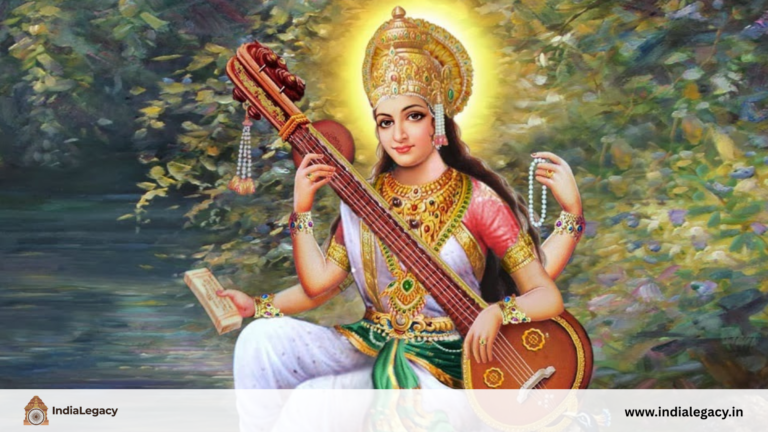
On this night, Lakshmi chose Lord Vishnu as her consort, and their divine union blessed the universe with prosperity. Devotees believe that on Diwali night, Goddess Lakshmi visits clean, well-lit homes, bestowing wealth and fortune upon those who welcome her with devotion and preparation. This legend explains why Lakshmi Puja is central to Diwali celebrations and why homes are meticulously cleaned and decorated.
Krishna’s Victory Over Narakasura
In South India, particularly in Karnataka, Andhra Pradesh, and Tamil Nadu, Diwali celebrates Lord Krishna’s victory over the demon Narakasura. This demon had terrorized the heavens and earth, kidnapping thousands of princesses and committing numerous atrocities. Krishna, with the help of his wife Satyabhama, defeated Narakasura, liberating the imprisoned princesses and restoring peace.
Before dying, Narakasura requested that his death anniversary be celebrated with lights and festivities, ensuring he would be remembered. This legend is commemorated on Naraka Chaturdashi, the second day of Diwali, when people wake up early for ritual oil baths symbolizing purification from evil and darkness.
Jain Significance: Mahavira’s Liberation
For Jains, Diwali marks the spiritual awakening and nirvana (liberation) of Lord Mahavira, the twenty-fourth and last Tirthankara, in 527 BCE. On this day, Mahavira attained moksha (liberation from the cycle of birth and death), and his disciples illuminated their homes with lamps to symbolize the light of knowledge he had brought to the world.
Jain Diwali celebrations focus on spiritual enlightenment rather than material prosperity, with devotees spending time in meditation, prayer, and reading religious texts. They light lamps to honor Mahavira’s teachings and to symbolize the dispelling of spiritual darkness through knowledge and right conduct.
Sikh Significance: Bandi Chhor Divas
Sikhs celebrate Diwali as Bandi Chhor Divas (Day of Liberation), commemorating the release of Guru Hargobind Sahib, the sixth Sikh Guru, from imprisonment in Gwalior Fort by Mughal Emperor Jahangir in 1619. Guru Hargobind not only secured his own release but also negotiated freedom for 52 Hindu kings imprisoned with him.
When Guru Hargobind returned to Amritsar, the Golden Temple was illuminated with lamps in celebration. This event coincided with the traditional Diwali, and Sikhs have since celebrated both occasions together, emphasizing freedom, justice, and the triumph of spiritual authority over temporal oppression.
The Five Days of Diwali: A Day-by-Day Guide
Diwali is not a single day but a five-day festival, with each day having distinct significance, rituals, and traditions. Understanding each day enriches the overall Diwali experience and reveals the festival’s depth and complexity.
Day 1: Dhanteras (Festival of Wealth)
Dhanteras, falling two days before the main Diwali, marks the beginning of festivities. The word combines “Dhan” (wealth) and “Teras” (thirteenth), as it falls on the thirteenth day of the dark fortnight in Kartik month. This day is considered highly auspicious for purchasing precious metals, especially gold and silver, along with new utensils and other items.
According to legend, on this day, the gods and demons churned the cosmic ocean, and Dhanvantari, the physician of gods carrying a pot of immortality nectar (amrit), emerged. Thus, Dhanteras also celebrates health and well-being. Many people worship Lord Dhanvantari and Goddess Lakshmi on this day.
Dhanteras Rituals:
- Shopping for gold, silver, or new utensils, believed to bring prosperity
- Cleaning and decorating homes, especially the entrance
- Creating rangoli patterns at doorways
- Evening puja to Lakshmi and Dhanvantari
- Lighting first diyas of the festival
- Offering prayers for family health and prosperity
Business communities particularly emphasize Dhanteras, as purchasing goods on this day is believed to ensure business success throughout the year. Markets bustle with activity as people shop for jewelry, electronics, vehicles, and household items.
Day 2: Naraka Chaturdashi (Choti Diwali)
Naraka Chaturdashi, also called Choti Diwali (Small Diwali) or Kali Chaudas, commemorates Krishna’s victory over the demon Narakasura. This day emphasizes spiritual purification and the removal of negative energies. The tradition of taking an early morning oil bath originates from this day, symbolizing cleansing oneself of evil and sins.
In some regions, people worship Kali or other fierce forms of the Divine Mother on this day, seeking protection from negative forces. The lighting of diyas intensifies, with more lamps lit than on Dhanteras, building anticipation for the main Diwali celebration.
Naraka Chaturdashi Rituals:
- Predawn ritual oil bath, traditionally with fragrant oils and ubtan (herbal paste)
- Wearing new or special clothes after bathing
- Preparing traditional sweets and savory snacks
- Creating more elaborate rangoli designs
- Evening puja and lighting of diyas
- Beginning of firecracker celebrations in some regions
- Sharing sweets with neighbors and friends
Day 3: Diwali (Lakshmi Puja – Main Celebration)
The third day, Diwali night, is the festival’s pinnacle and most important day. This new moon night (Amavasya) is when darkness is deepest, making the lights even more significant. Goddess Lakshmi, representing wealth, prosperity, and fortune, is worshipped extensively, along with Lord Ganesha, the remover of obstacles.
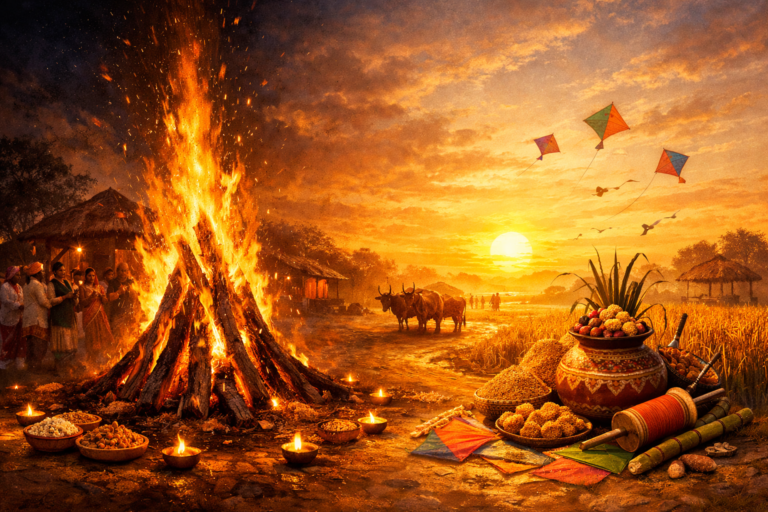
Families perform elaborate Lakshmi Puja in their homes during the evening, inviting the goddess to bless them with prosperity. Homes are illuminated with countless diyas, candles, and electric lights, creating breathtaking visual displays. The atmosphere fills with the sounds of prayers, temple bells, and fireworks.
Main Diwali Day Rituals:
- Final home cleaning and decoration
- Creating intricate rangoli with colored powders, flowers, and diyas
- Decorating homes with marigold flowers, mango leaves, and torans
- Afternoon: preparation of feast and sweets
- Evening: elaborate Lakshmi-Ganesha Puja with mantras and offerings
- Lighting hundreds of diyas throughout the home and property
- Bursting firecrackers (though increasingly restricted due to pollution concerns)
- Wearing new clothes, often traditional attire
- Exchanging gifts and sweets with family, friends, and neighbors
- Community gatherings and celebrations
- Keeping doors and windows open to welcome Lakshmi
- Playing cards and games, considered auspicious
Business communities close their old account books and open new ones on this day, marking the beginning of their financial year. This tradition, called Chopda Pujan or Bahi Khata Puja, involves worshipping account books as symbols of prosperity.
Day 4: Govardhan Puja (Annakut)
Govardhan Puja, also called Annakut (mountain of food), commemorates Lord Krishna lifting Mount Govardhan to protect villagers from torrential rains caused by Lord Indra’s anger. This legend emphasizes environmental protection and the importance of nature over ritualistic worship.
On this day, devotees prepare elaborate vegetarian feasts featuring 56 or 108 different food items, symbolizing the mountain of food offered to Krishna. Temples create actual food mountains from these offerings, which are later distributed as prasad to devotees.
In North India, this day also marks the start of the new year in the Vikram Samvat calendar, making it a time for new beginnings and aspirations.
Govardhan Puja Rituals:
- Creating cow dung replicas of Mount Govardhan
- Preparing 56 or 108 varieties of vegetarian foods
- Worshipping Krishna and offering the food mountain
- Temple visits and community feasts
- Blessing cattle, recognizing their importance in agriculture
- Exchanging New Year greetings in some regions
Day 5: Bhai Dooj (Yama Dwitiya)
Bhai Dooj, the final day of Diwali celebrations, celebrates the bond between brothers and sisters, similar to Raksha Bandhan but with different rituals. The festival’s name combines “Bhai” (brother) and “Dooj” (second day after new moon). Sisters pray for their brothers’ long life and prosperity, while brothers pledge to protect their sisters.
Legend tells of Yamuna inviting her brother Yama, the god of death, to her home on this day. She applied a protective tilak on his forehead and performed aarti. Pleased by her affection, Yama blessed her and declared that brothers who receive tilak from their sisters on this day would never fear death.
Bhai Dooj Rituals:
- Sisters apply ceremonial tilak on brothers’ foreheads
- Sisters perform aarti for brothers’ well-being
- Brothers give gifts to sisters as tokens of love and protection
- Families share festive meals together
- Exchange of sweets and presents
- Prayers for each other’s prosperity and long life
Traditional Diwali Rituals and Customs
Beyond the day-by-day celebrations, Diwali encompasses numerous traditional rituals and customs that have been passed down through generations, each carrying deep spiritual and cultural significance.
Home Cleaning and Purification
Diwali preparations begin weeks in advance with thorough home cleaning, called “Diwali ki safai.” This isn’t mere housekeeping but a spiritual act of removing negativity and preparing sacred space for divine blessings. Every corner of the home is cleaned, including areas typically neglected during regular cleaning. Old, unused items are discarded, symbolizing letting go of the past and making room for new beginnings.
The cleaning extends beyond physical dirt to include decluttering minds and lives, releasing grudges, settling disputes, and starting fresh. This purification process reflects the internal cleansing required for spiritual growth, with external cleanliness representing inner purity.
Rangoli: Art at the Threshold
Rangoli, the colorful patterns created at entrances and courtyards, represents one of Diwali’s most beautiful traditions. These intricate designs made from colored powders, rice flour, flower petals, or colored sand serve multiple purposes: they welcome guests and deities, showcase artistic skills, and create auspicious energy at home entrances.
Traditional rangoli patterns incorporate sacred symbols like lotus flowers, swastikas, om symbols, diyas, and geometric designs based on ancient mathematical principles. Creating rangoli is considered a devotional act, often accompanied by prayers and mantras. The temporary nature of rangoli reflects Hindu philosophy about impermanence and the beauty of living in the present moment.
Lighting Diyas and Lamps
The lighting of diyas (clay oil lamps) represents Diwali’s heart and soul. These small clay lamps filled with oil or ghee and lit with cotton wicks symbolize the individual soul’s light within the cosmic consciousness. Lighting diyas represents driving away darkness, ignorance, and negativity while inviting positivity, knowledge, and divine grace.
Traditional practice involves lighting at least one diya and keeping it burning throughout Diwali night, ensuring continuous illumination. Diyas are placed at doorways, windows, courtyards, and around the home’s perimeter. Some families float diyas in rivers or water bodies as offerings.
Lakshmi Puja: Inviting Prosperity
Lakshmi Puja on Diwali night is performed with elaborate rituals following specific procedures. The puja area is decorated with flowers, rangoli, and auspicious symbols. Idols or pictures of Goddess Lakshmi and Lord Ganesha are placed on a clean cloth or wooden platform, surrounded by offerings including fruits, sweets, flowers, incense, and diyas.
The puja typically follows this sequence:
- Ganesh puja first, as the remover of obstacles
- Invocation of Lakshmi with mantras
- Offering flowers, incense, and light to the deity
- Chanting Lakshmi mantras and stotras
- Offering prepared foods and sweets
- Performing aarti with camphor or ghee lamps
- Seeking blessings for family prosperity and well-being
- Distributing prasad to family members
Fireworks and Firecrackers
Bursting firecrackers during Diwali has ancient roots, originally believed to ward off evil spirits and create noise to wake gods and seek their blessings. The brilliant displays of rockets, sparklers, and aerial bursts create spectacular visual effects that add to Diwali’s festive atmosphere.
However, environmental concerns about air and noise pollution have led to growing awareness and restrictions on firecracker use. Many cities have implemented bans or time restrictions, encouraging eco-friendly celebrations. Increasingly, families choose green crackers with reduced emissions, limit firecracker use, or eliminate them entirely, focusing instead on traditional diyas and decorative lights.
New Clothes and Jewelry
Wearing new clothes on Diwali symbolizes fresh beginnings and prosperity. Traditional attire varies by region—silk sarees for women in South India, lehengas and kurtas in North India, chaniya cholis in Gujarat—but the emphasis on newness and festivity remains constant. The practice represents shedding old patterns and embracing renewal.
Gold jewelry holds special significance, with many families purchasing gold ornaments during Dhanteras or Diwali, considered highly auspicious. Wearing gold on Diwali is believed to attract Lakshmi’s blessings and ensure year-round prosperity.
Regional Variations in Diwali Celebrations
While Diwali’s core themes remain consistent, regional variations across India create fascinating diversity in celebration styles, emphasized legends, and specific customs.
North India: Rama’s Return
In states like Uttar Pradesh, Madhya Pradesh, Rajasthan, and Punjab, Diwali primarily commemorates Lord Rama’s return to Ayodhya. The Ramlila dramatic performances leading up to Diwali culminate in Dussehra (Ravana’s defeat), with Diwali marking Rama’s coronation.
North Indian celebrations emphasize:
- Extensive lighting of diyas and electric lights
- Elaborate Lakshmi-Ganesha puja
- Card games and gambling, considered auspicious
- Distributing sweets like ladoos, barfis, and gulab jamuns
- Firecrackers and fireworks displays
- Family gatherings and gift exchanges
South India: Krishna and Narakasura
South Indian states including Karnataka, Andhra Pradesh, Tamil Nadu, and Kerala emphasize Krishna’s victory over Narakasura. Here, the second day (Naraka Chaturdashi) often receives more emphasis than the main Diwali night.
South Indian traditions include:
- Predawn oil bath with traditional ceremonies
- Preparing specific regional sweets like murukku, chakli, adhirasam, and karanji
- Decorating homes with kolam (rangoli) using rice flour
- Temple visits and community prayers
- Emphasis on family time over commercial celebrations
- Bursting crackers early morning rather than at night
- Lighting traditional bronze lamps (vilakku)
West India: Business and Prosperity
In Gujarat and Maharashtra, Diwali marks the new year for business communities. The Gujarati New Year falls on Diwali, while Maharashtra celebrates Diwali Padwa the next day. These states have strong mercantile traditions, making the business aspect of Diwali particularly significant.
Western Indian celebrations feature:
- Chopda Pujan (worship of account books)
- Opening new business ledgers
- Special emphasis on wealth and prosperity prayers
- Preparing farsan (savory snacks) and traditional sweets
- Elaborate rangoli competitions
- Community celebrations and public lighting displays
- Garba and dandiya dance performances in some areas
East India: Kali Puja
In Bengal and Odisha, Diwali coincides with Kali Puja, the worship of Goddess Kali. The new moon night is considered especially powerful for worshipping the fierce form of the Divine Mother. Temples dedicated to Kali host elaborate rituals and celebrations throughout the night.
Eastern Indian traditions include:
- Kali Puja with elaborate rituals and offerings
- Lighting diyas and candles at homes and temples
- Preparing Bengali sweets like sandesh, rosogolla, and mishti doi
- Community pandal hopping to view different Kali installations
- Cultural programs featuring music and dance
- Family gatherings with special feasts
Traditional Diwali Foods and Sweets
No Diwali celebration is complete without an abundance of delicious traditional foods and sweets (mithai). Food plays a central role in the festival, symbolizing prosperity, sharing, and celebration. Preparing special dishes is both a devotional act and a way to bring families together.
Classic Diwali Sweets
Diwali sweets vary by region but share common characteristics of richness, sweetness, and use of premium ingredients like ghee, milk, nuts, and saffron. Popular sweets include:
- Ladoo: Round sweets made from besan (chickpea flour), rava (semolina), or coconut, bound with ghee and sugar
- Barfi: Dense milk-based fudge in various flavors including plain, almond, pistachio, and coconut
- Gulab Jamun: Deep-fried milk solid balls soaked in fragrant sugar syrup
- Jalebi: Crispy, pretzel-shaped sweets made from fermented batter, deep-fried and soaked in syrup
- Kheer: Creamy rice pudding flavored with cardamom, saffron, and garnished with nuts
- Halwa: Dense sweet made from various bases like carrots, semolina, or moong dal
- Kaju Katli: Diamond-shaped cashew fudge, often decorated with edible silver leaf
- Rasgulla: Spongy cheese balls in light sugar syrup, popular in Eastern India
- Mysore Pak: Rich South Indian sweet made from ghee, sugar, and chickpea flour
Savory Snacks
Alongside sweets, families prepare various savory snacks that add variety to Diwali feasting:
- Samosas: Triangular pastries filled with spiced potatoes and peas
- Chakli/Murukku: Spiral-shaped crispy snacks made from rice and lentil flour
- Namak Pare: Crispy, diamond-shaped savory crackers
- Mathri: Flaky, savory biscuits flavored with spices
- Sev: Crispy chickpea flour noodles in various thicknesses
- Chivda/Mixture: Spiced, crunchy mix of flattened rice, nuts, and fried ingredients
- Pakoras: Vegetable fritters dipped in spiced chickpea batter and deep-fried
Regional Specialties
Each region contributes unique dishes that define their local Diwali cuisine, creating a diverse culinary landscape across India. Gujarat offers mohanthal and ghughra, Maharashtra prepares anarsa and karanji, South India makes adhirasam and murukku, while Bengal is famous for sandesh and mishti doi.
Diwali in Modern Times: Changing Traditions
While maintaining its traditional essence, Diwali celebrations have evolved significantly in contemporary times, adapting to urbanization, environmental concerns, technology, and changing social dynamics.
Eco-Friendly Diwali Movement
Growing environmental awareness has sparked a significant green Diwali movement. The traditional practice of bursting firecrackers, while culturally significant, causes severe air and noise pollution, particularly harmful in urban areas. This realization has led to various eco-conscious initiatives:
- Promotion of green crackers with reduced emissions
- Time restrictions on firecracker bursting
- Complete firecracker bans in severely polluted cities
- Use of eco-friendly decorations and biodegradable materials
- Emphasis on traditional clay diyas over electric lights
- Seed crackers that grow into plants instead of polluting
- Community celebrations reducing individual environmental footprints
- Educational campaigns about sustainable celebrations
Many urban families now celebrate “noiseless” Diwalis, focusing on lights, prayers, and family time rather than firecrackers. This shift represents a growing balance between tradition and environmental responsibility.
Technology and Virtual Celebrations
Modern technology has transformed how people celebrate and share Diwali experiences. Digital greetings have largely replaced physical cards, with elaborate animated e-cards and video messages conveying Diwali wishes. Social media platforms overflow with Diwali photos, videos, and livestreams, allowing people to share celebrations globally.
The COVID-19 pandemic accelerated virtual celebration trends, with families conducting video call pujas, online rangoli competitions, and virtual family gatherings. Even post-pandemic, these digital elements have remained, supplementing rather than replacing physical celebrations.
LED lights have largely replaced traditional string lights, offering energy efficiency, safety, and spectacular visual effects. Smart home systems allow automated lighting displays synchronized with music, creating modern interpretations of traditional illumination.
Commercialization and Economic Impact
Diwali has become one of India’s biggest shopping seasons, comparable to Christmas shopping in Western countries or Singles’ Day in China. Businesses offer massive discounts, and consumers make major purchases ranging from gold and jewelry to electronics, vehicles, and real estate.
The festival generates billions of dollars in retail sales, significantly impacting India’s economy. E-commerce platforms have made Diwali shopping more accessible, with month-long sales events leading up to the festival. While this commercialization brings economic benefits, some worry it overshadows Diwali’s spiritual significance.
The gifting culture has intensified, with corporate gifting becoming a major industry segment. Companies present elaborate gift hampers to clients and employees, fueling growth in luxury goods, premium sweets, and branded gift items.
Changing Family Dynamics
Urbanization and nuclear families have altered traditional Diwali celebrations. Extended family gatherings, once the norm, have become less frequent as family members live in different cities or countries. However, Diwali remains one festival when people make special efforts to travel home and reunite with family.
Working professionals often have limited time for elaborate preparations, leading to simplified celebrations, outsourced cooking, and reliance on professional services for decorations. Ready-made sweets and snacks have partially replaced home cooking, though many families maintain this tradition for sentimental reasons.
Global Diwali: Celebrations Around the World
Diwali has transcended geographical boundaries, becoming a global festival celebrated by millions outside India. The Indian diaspora has carried Diwali traditions to countries worldwide, where they’ve been embraced by local communities and even officially recognized by governments.
Official Recognition and Public Celebrations
Several countries have declared Diwali an official public holiday, including:
- Nepal: Diwali is called Tihar and is a five-day national festival
- Sri Lanka: Deepavali is a public holiday celebrated by Tamil and Sinhalese communities
- Malaysia and Singapore: Deepavali is a public holiday for all citizens
- Mauritius, Fiji, Trinidad and Tobago, Guyana, Suriname: Countries with significant Indian-origin populations observe Diwali as a national holiday
In countries where Diwali isn’t an official holiday, large-scale public celebrations still occur. The UK hosts spectacular Diwali celebrations in Leicester, London, and other cities with large South Asian populations. Times Square in New York has hosted Diwali celebrations, and Canada recognizes Diwali through official statements and public events.
Cultural Fusion and Adaptation
As Diwali spread globally, it has adapted to local contexts while maintaining core traditions. Western celebrations often include elements that make the festival accessible to non-Indian participants:
- Public lighting ceremonies in city centers
- Cultural programs featuring Indian dance and music
- Indian food festivals introducing Diwali cuisine
- Educational programs about Diwali’s significance
- Fusion celebrations combining Diwali with local cultural elements
- Corporate Diwali parties acknowledging diverse workforce traditions
Diwali in the White House and Official Recognition
The United States President has hosted Diwali celebrations at the White House since 2003, acknowledging the festival’s significance for Indian Americans and the values of pluralism and diversity it represents. Several US states and cities officially recognize Diwali, with proclamations and public lighting ceremonies.
Australia, Canada, and the UK have similarly recognized Diwali through official channels, with politicians and public figures participating in celebrations and sending Diwali greetings to citizens of Indian origin.
The Spiritual and Philosophical Dimensions of Diwali
Beyond the festivities, Diwali carries deep spiritual and philosophical significance that resonates across religious and cultural boundaries. Understanding these deeper meanings enriches the celebration and connects participants to ancient wisdom traditions.
Light as a Universal Metaphor
The symbolism of light transcends specific religious contexts, speaking to universal human experiences and aspirations. Light represents consciousness, knowledge, and awakening, while darkness symbolizes ignorance, confusion, and spiritual sleep. Lighting a lamp during Diwali is not merely a ritual act but a statement of intention to move from darkness to light, from ignorance to knowledge, from limitation to liberation.
Hindu philosophy teaches that the external lighting of lamps represents and facilitates internal illumination. As we light physical lamps, we’re encouraged to kindle the inner light of awareness, dispelling the darkness of negativity, ignorance, and limitation. This connection between outer ritual and inner transformation gives Diwali its profound spiritual significance.
Lakshmi Beyond Material Wealth
While Goddess Lakshmi is popularly understood as the goddess of wealth and material prosperity, deeper philosophical interpretations reveal multiple dimensions of her significance. Lakshmi represents not just material abundance but spiritual wealth, including virtues like generosity, compassion, patience, and wisdom.
The eight forms of Lakshmi (Ashta Lakshmi) represent different types of prosperity: wealth, grain, courage, knowledge, offspring, victory, health, and power. Worshipping Lakshmi on Diwali is thus an invocation of holistic abundance in all life dimensions, not merely monetary wealth.
Traditional texts teach that Lakshmi resides in clean, well-organized spaces filled with devotion and ethical conduct. This explains why Diwali preparations emphasize thorough cleaning and righteous living. The message is clear: prosperity comes to those who prepare themselves through discipline, cleanliness, and virtue.
The Philosophy of New Beginnings
Diwali marks new beginnings in various contexts—the Hindu new year in some regions, the business new year for merchants, and metaphorically, the opportunity for personal renewal. This aspect encourages reflection on the past year, release of what no longer serves, and intention-setting for the coming year.
The practice of settling debts and disputes before Diwali reflects the philosophical principle of entering new phases with a clean slate. Forgiveness, both seeking and offering, becomes part of Diwali preparation, creating space for fresh starts and renewed relationships.
Good Over Evil: Personal and Collective Dimensions
The triumph of good over evil, central to all Diwali legends, operates on multiple levels. Externally, it celebrates historical victories of righteous forces over demonic powers. Internally, it represents the ongoing battle within each person between higher and lower tendencies, between conscious choice and unconscious reaction, between selfless service and selfish desire.
Diwali encourages introspection about which forces we’re feeding in our lives. Are we cultivating the light of awareness, compassion, and wisdom, or are we strengthening the darkness of ignorance, anger, and greed? The festival invites us to actively choose light, not just during the celebration but as a daily practice.
Social and Cultural Significance
Beyond individual spiritual meaning, Diwali holds immense social and cultural significance, serving as a powerful force for community bonding, cultural preservation, and social harmony.
Community Bonding and Social Harmony
Diwali creates opportunities for community interaction that might not occur otherwise. The practice of visiting neighbors, exchanging sweets, and participating in community celebrations breaks down social barriers and strengthens neighborhood bonds. In apartments and residential communities, common areas are decorated collectively, fostering cooperation and shared identity.
The festival also serves as a time for reconciliation, when disputes are settled and strained relationships mended. The tradition of seeking blessings from elders, visiting family members, and reconnecting with old friends reinforces social networks and family ties.
Cultural Transmission and Identity
For the Indian diaspora, Diwali serves as a crucial link to cultural roots and a means of transmitting heritage to younger generations born abroad. Participating in Diwali celebrations helps children of Indian origin connect with their cultural identity, learn about traditions, and maintain ties to their ancestral homeland.
Parents use Diwali as an opportunity to teach children about Indian mythology, values, and practices. The hands-on involvement in preparations—making rangoli, lighting diyas, preparing traditional foods—provides experiential learning that books cannot replicate.
Economic and Business Significance
Beyond religious and cultural dimensions, Diwali has enormous economic significance. For businesses, it represents the most important sales season, accounting for a substantial portion of annual retail revenue. The tradition of buying new items and making major purchases during Diwali drives consumption across sectors from jewelry and clothing to electronics and automobiles.
The business community’s practice of closing old accounts and starting new ones on Diwali reflects the festival’s role in commercial life. Many companies announce bonuses before Diwali, distributing wealth to employees who then participate in the festival economy. This circulation of money and goods contributes significantly to economic activity.
Challenges and Controversies
While Diwali is celebrated with joy and enthusiasm, it also faces various challenges and controversies in contemporary times that require thoughtful engagement.
Environmental Concerns
The environmental impact of Diwali celebrations, particularly firecracker pollution, has become a major concern. Post-Diwali air quality in major Indian cities often reaches hazardous levels, with particulate matter concentrations exceeding safe limits by many times. This affects public health, particularly for people with respiratory conditions, the elderly, and children.
Noise pollution from firecrackers disturbs pets, wildlife, and noise-sensitive individuals, including those with autism or anxiety disorders. The production and disposal of decorative items also create environmental challenges, particularly when non-biodegradable materials are used.
These concerns have sparked debates about balancing tradition with environmental responsibility, leading to firecracker restrictions, promotion of eco-friendly alternatives, and shifts in celebration patterns.
Safety Issues
Firecracker-related accidents and injuries during Diwali are unfortunately common, ranging from minor burns to severe injuries affecting eyes, hands, and other body parts. Every year, hospitals treat numerous Diwali-related injuries, prompting safety campaigns and calls for responsible celebration.
Fire hazards from improperly placed diyas, electric short circuits from decorative lights, and other safety risks require careful attention. Public awareness campaigns emphasize safety measures while maintaining festival enjoyment.
Religious Sensitivity
In pluralistic societies, balancing Diwali celebrations with respect for other communities requires sensitivity and consideration. Noise from firecrackers and late-night celebrations can disturb neighbors, while the assumption that everyone participates in Diwali festivities may overlook religious minorities or non-participants.
Growing awareness of these issues has led to more considerate celebration practices, including time restrictions on noisy activities, respect for shared spaces in apartments, and recognition that India’s diversity means not everyone observes Diwali.
Preparing for Diwali: A Practical Guide
For those wishing to celebrate Diwali authentically, whether for the first time or continuing family traditions, thoughtful preparation enhances the experience and ensures meaningful observance.
Pre-Diwali Preparation (2-3 Weeks Before)
- Home Cleaning: Begin thorough cleaning of the entire house, including deep cleaning of usually neglected areas
- Home Repairs: Complete any pending repairs, painting, or maintenance work
- Shopping: Plan and begin shopping for puja items, decorations, new clothes, and gifts
- Recipe Planning: Decide which traditional foods and sweets you’ll prepare
- Guest List: If hosting gatherings, finalize guest lists and send invitations
One Week Before Diwali
- Final Cleaning: Complete deep cleaning and organize all spaces
- Decoration Preparation: Purchase or prepare rangoli materials, flowers, torans, and lights
- Shopping Completion: Finalize all purchases including groceries for cooking
- Puja Preparation: Ensure all puja items are ready—idols, incense, lamps, offerings
- Outfit Selection: Prepare new clothes for all family members
Diwali Week Activities
- Dhanteras: Purchase precious metals or new items; begin lighting diyas
- Day Before Main Diwali: Prepare advance cooking; create rangoli; set up puja area
- Diwali Day: Final preparations, puja performance, lighting celebrations
- Days Following: Participate in Govardhan Puja and Bhai Dooj celebrations
Conclusion: The Enduring Light of Diwali
Diwali endures as one of the world’s most beloved festivals because it speaks to fundamental human aspirations—the desire for light in darkness, hope in despair, knowledge in ignorance, and prosperity in need. Its message transcends religious boundaries, cultural differences, and geographical distances, resonating with people seeking meaning, connection, and celebration.
The festival’s evolution from ancient harvest celebrations to today’s global phenomenon demonstrates remarkable adaptability while maintaining core spiritual essence. Whether celebrated with traditional diyas in a village home or with LED displays in a metropolitan apartment, whether marked by elaborate five-day observances or simplified single-day celebrations, Diwali’s fundamental purpose remains unchanged: to affirm the triumph of light over darkness in all its forms.
As we navigate contemporary challenges—environmental degradation, social fragmentation, rapid technological change—Diwali offers timeless wisdom. It reminds us to clean not just our homes but our hearts, to illuminate not just our surroundings but our consciousness, to celebrate not just material prosperity but spiritual wealth. The practice of Diwali encourages us to be lights in the world, dispelling darkness wherever we encounter it.
The festival’s emphasis on family, community, and tradition provides an antidote to modern isolation and individualism. In an increasingly digital world, Diwali’s hands-on activities—creating rangoli, lighting diyas, cooking traditional foods, gathering with loved ones—offer tangible, sensory experiences that ground us in the present moment and connect us to generations past.
Diwali’s global spread represents more than Indian cultural export; it reflects universal human values finding expression through specific cultural forms. When people of all backgrounds gather to celebrate Diwali, they affirm that light, goodness, knowledge, and prosperity are aspirations belonging to all humanity, not confined to any single tradition.
As millions of diyas illuminate the darkness on Diwali night, they carry prayers and intentions that have been spoken for millennia yet remain eternally relevant. May darkness be dispelled. May ignorance give way to knowledge. May negativity transform into positivity. May all beings find prosperity and happiness. These ancient wishes speak to contemporary needs, making Diwali as meaningful today as it was thousands of years ago.
The true spirit of Diwali lies not in the grandeur of celebrations but in the inner transformation they inspire. Each lit lamp represents a commitment to being a source of light—through kindness, wisdom, generosity, and love. Each shared sweet symbolizes the sweetness we can bring to others’ lives. Each cleaned home reflects our willingness to purify our thoughts and actions.
In a world often dominated by darkness—violence, hatred, injustice, suffering—Diwali offers hope. It asserts that no matter how dark the night, light will prevail. No matter how powerful evil appears, good will triumph. No matter how dense ignorance seems, knowledge will emerge. This fundamental optimism, this faith in light, makes Diwali a festival of hope as much as a festival of lights.
As you celebrate Diwali, whether for the first time or the fiftieth, remember that you’re participating in an ancient tradition that has sustained millions through the centuries. You’re adding your light to a river of lights flowing through time, connecting past, present, and future. You’re affirming that despite all challenges, difficulties, and darkness we face, light ultimately prevails—because we choose to light lamps rather than curse the darkness.
May the lights of Diwali illuminate your life, your home, and your heart. May the blessings of Goddess Lakshmi bring prosperity in all its forms. May the wisdom of this ancient festival guide you toward greater awareness, compassion, and joy. And may you be a light in the world, dispelling darkness wherever you go.
Happy Diwali! शुभ दीपावली! (Shubh Deepawali!)
Frequently Asked Questions About Diwali
1. What is Diwali and why is it celebrated?
Diwali, also known as Deepavali or the Festival of Lights, is one of the most important Hindu festivals celebrated over five days. It marks the victory of light over darkness, good over evil, and knowledge over ignorance. Different regions celebrate various legends, including Lord Rama’s return to Ayodhya, Krishna’s victory over Narakasura, and Goddess Lakshmi’s emergence from the cosmic ocean.
2. When is Diwali celebrated?
Diwali is celebrated in October or November each year, depending on the lunar calendar. It falls on the new moon night (Amavasya) in the Hindu month of Kartik. The main celebration occurs on this darkest night, with festivities spanning five days total. The exact date varies annually as it follows the lunar calendar.
3. How long does Diwali last?
Diwali is a five-day festival. The days are: Dhanteras (Day 1), Naraka Chaturdashi or Choti Diwali (Day 2), Diwali or Lakshmi Puja (Day 3 – main celebration), Govardhan Puja (Day 4), and Bhai Dooj (Day 5). However, preparations often begin weeks earlier, and celebrations may continue for several days after.
4. What does the word Diwali mean?
The word Diwali comes from the Sanskrit “Deepavali,” combining “deepa” (light or lamp) and “avali” (row or series). It literally translates to “row of lights,” referring to the tradition of lighting numerous clay lamps (diyas) to illuminate homes and create a spectacular display of lights.
5. What is the story behind Diwali?
Multiple legends are associated with Diwali. The most popular is Lord Rama’s return to Ayodhya after 14 years of exile and defeating demon king Ravana, with citizens lighting lamps to welcome him. Other stories include Krishna defeating demon Narakasura, Goddess Lakshmi’s birth from the cosmic ocean, and for Jains, Lord Mahavira’s attainment of nirvana. Sikhs celebrate it as Bandi Chhor Divas, marking Guru Hargobind’s release from imprisonment.
6. What are the main rituals of Diwali?
Key Diwali rituals include thorough home cleaning and decoration, creating colorful rangoli patterns, lighting diyas (clay lamps) and candles, performing Lakshmi-Ganesha puja, wearing new clothes, bursting firecrackers, exchanging gifts and sweets, preparing special foods, and gathering with family and friends. Each day of the five-day festival has specific rituals.
7. Why do people light diyas on Diwali?
Lighting diyas (clay oil lamps) symbolizes dispelling darkness and ignorance with the light of knowledge and consciousness. It represents the victory of good over evil and welcomes Goddess Lakshmi into homes. The tradition dates back to ancient times when lamps were lit to welcome Lord Rama back to Ayodhya, and the practice has spiritual significance of illuminating both outer and inner worlds.
8. What is Lakshmi Puja and why is it performed?
Lakshmi Puja is the worship of Goddess Lakshmi, the deity of wealth, prosperity, and fortune, performed on the main Diwali night. Devotees believe that Lakshmi visits clean, well-lit homes on this auspicious night, blessing them with prosperity. The puja involves offering flowers, incense, sweets, and prayers to invoke her blessings for the coming year. Lord Ganesha is also worshipped alongside Lakshmi.
9. What is rangoli and why is it made during Diwali?
Rangoli is decorative art created on floors using colored powders, rice flour, flower petals, or colored sand. These intricate patterns are made at home entrances and courtyards to welcome guests and deities, particularly Goddess Lakshmi. Rangoli represents auspiciousness and creativity, and its vibrant colors and designs create a festive atmosphere while symbolizing joy and prosperity.
10. What are traditional Diwali foods and sweets?
Traditional Diwali foods include numerous sweets (mithai) like ladoo, barfi, gulab jamun, jalebi, kheer, and kaju katli, along with savory snacks like samosas, chakli, namak pare, and mathri. Regional specialties vary widely—North India favors milk-based sweets, South India prepares murukku and adhirasam, Bengal makes sandesh and rosogolla, while Gujarat offers mohanthal and ghughra.
11. Why are firecrackers burst during Diwali?
Bursting firecrackers traditionally served to ward off evil spirits and create celebratory noise to awaken gods and seek their blessings. The bright lights and sounds add to festive excitement. However, growing environmental concerns about air and noise pollution have led to restrictions in many areas, with increasing emphasis on eco-friendly celebrations and traditional diyas instead of firecrackers.
12. What is Dhanteras and why is it significant?
Dhanteras, the first day of Diwali, is considered highly auspicious for purchasing precious metals, especially gold and silver, and new items. The day honors Goddess Lakshmi and Lord Dhanvantari (god of health), combining themes of wealth and well-being. Shopping on