Basant Panchami: The Festival of Maa Saraswati, Yellow and the Arrival of Spring
Basant Panchami is one of India’s most joyful and spiritually significant festivals — celebrated to welcome the arrival of spring and to honour Maa Saraswati, the goddess of knowledge, learning, and the arts. Observed on the fifth day of the bright fortnight of the Hindu month of Magh, this festival is marked across India with devotion, colour, and a sense of fresh beginnings.
This guide covers the meaning, history, significance, rituals, food traditions, and regional celebrations of Basant Panchami — and explains why this ancient festival remains deeply relevant in modern life.

Basant Panchami — Festival Overview
| Details | Information |
|---|---|
| Festival Name | Basant Panchami / Saraswati Puja |
| Tithi | Magh Shukla Panchami (fifth day of the bright fortnight of Magh) |
| Deity Worshipped | Maa Saraswati — Goddess of Knowledge, Arts and Wisdom |
| Primary Colour | Yellow — symbolising knowledge, energy and spring |
| Season | Basant Ritu — Spring Season |
| Basant Panchami 2026 | 3 February 2026, Tuesday |
The Meaning and Significance of Basant Panchami
The word “Basant” means spring — that beautiful transition when winter loosens its grip and nature reawakens in colour and warmth. “Panchami” refers to the fifth day of the lunar calendar. Together, Basant Panchami marks the auspicious beginning of the spring season — a time of renewal, growth, and new possibilities.
The festival carries deep symbolic meaning. The mustard fields turning brilliant yellow, the blossoming of flowers, the warmth returning to the air — all of this is not merely seasonal change but a reminder of life’s cyclical nature and the importance of learning, creativity, and beginning again. Basant Panchami is considered one of the most auspicious days in the Hindu calendar for starting new ventures, educational journeys, and creative pursuits.
Maa Saraswati — The Goddess of Knowledge and the Arts
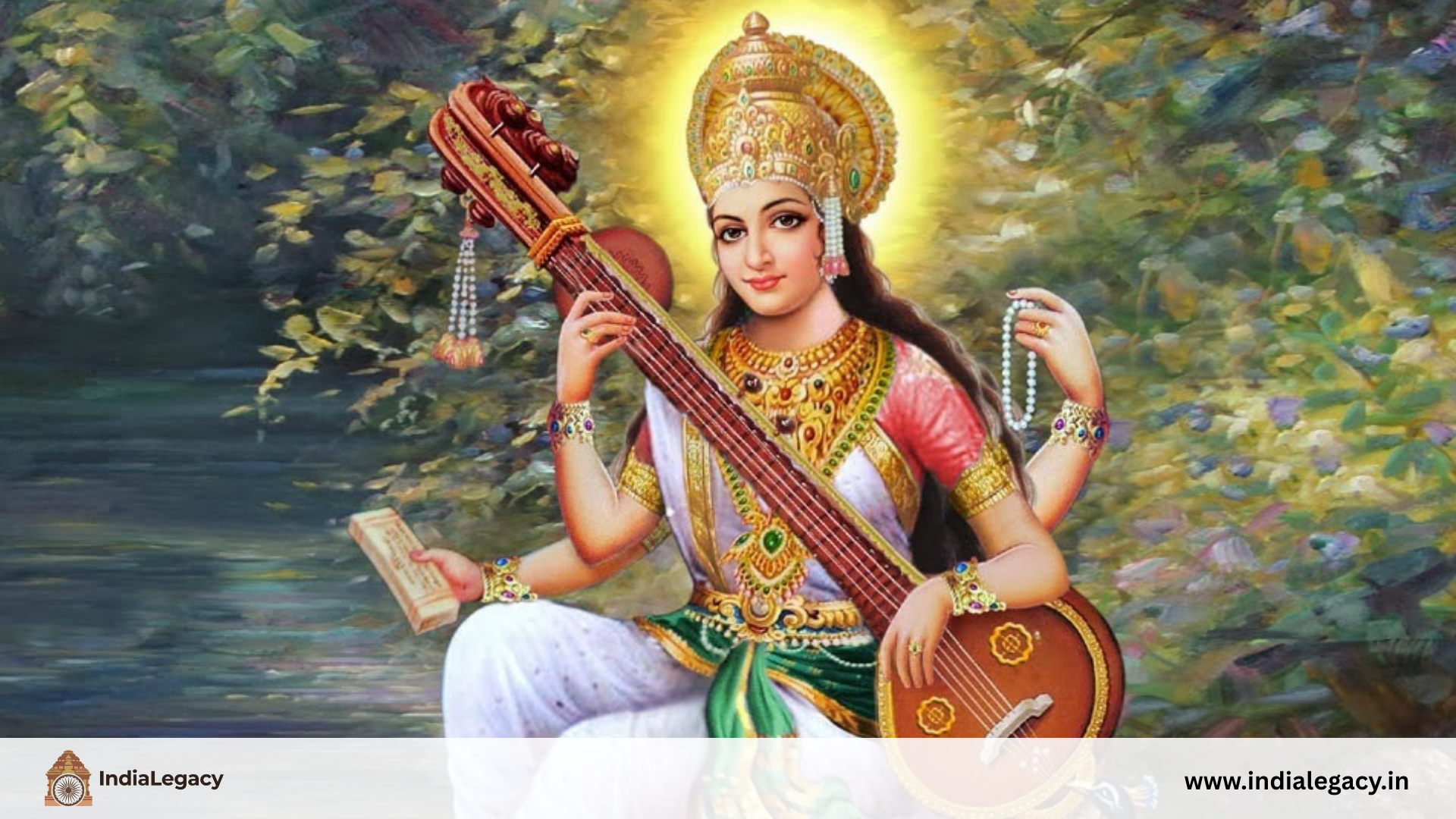
Maa Saraswati is revered in Hindu tradition as the goddess of knowledge, wisdom, music, language, and all creative arts. She is typically depicted in white, seated on a lotus, holding a veena — the classical Indian string instrument — with sacred texts nearby. She embodies the idea that true prosperity comes not from material wealth but from wisdom and learning.
On Basant Panchami, students, teachers, writers, musicians, and artists offer special prayers to Maa Saraswati. Books, notebooks, musical instruments, and tools of creative work are placed at her feet as a mark of respect — seeking her blessing for clarity of mind, concentration, and success in learning.
Traditional Foods of Basant Panchami
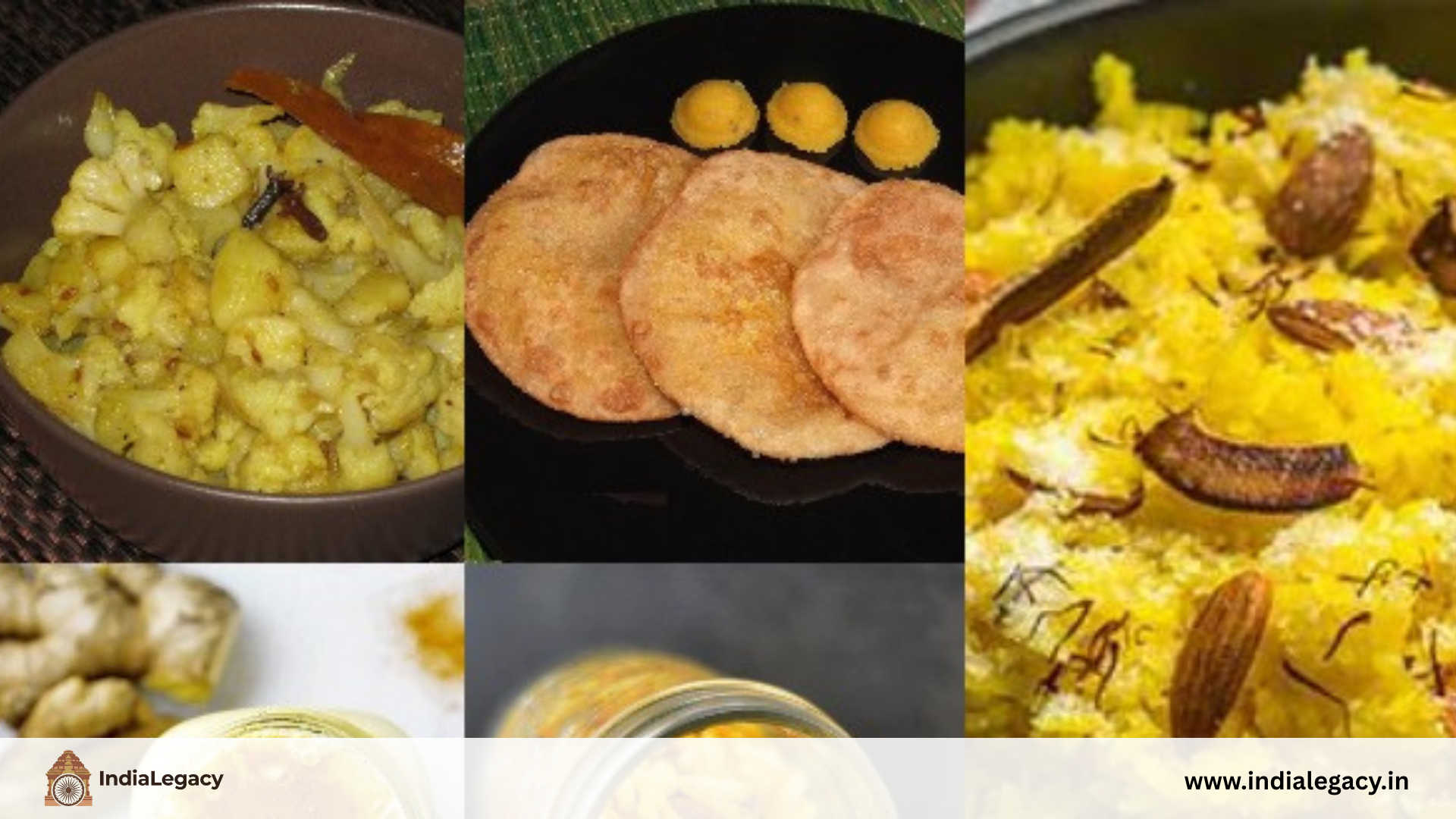
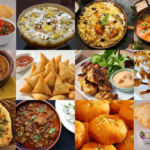
Food on Basant Panchami reflects the spirit of the season — light, fresh, nourishing, and appropriately golden in colour. The emphasis on yellow-coloured dishes is not merely symbolic; it connects to the ancient Indian understanding of seasonal eating, where spring calls for sattvic and easily digestible meals that energise both body and mind.

Traditional Foods Prepared on Basant Panchami
- Meethe Chawal (Sweet Yellow Rice) — Fragrant rice cooked with saffron and dry fruits, representing prosperity and the golden spirit of the festival.
- Kesar Halwa — A rich, saffron-infused sweet made from semolina or wheat flour, traditionally offered as bhog to Maa Saraswati.
- Boondi Ladoo — Golden ladoos made from gram flour, a celebratory sweet enjoyed across North India during festivals.
- Kesari Bhaat — A popular sweet dish from South India, made with semolina and saffron, commonly prepared for Saraswati Puja.
- Haldi Rice (Turmeric Rice) — A simple, sattvic yellow rice preparation that fits the spring season’s call for light and wholesome food.
- Chana Dal Halwa — A protein-rich, traditionally prepared sweet popular in North India during festivals.
- Seasonal Fruits — Oranges, bananas, and other fruits available in season are offered as prasad and shared with family.
The Connection Between Basant Panchami and Indian Food Culture
The foods of Basant Panchami are rooted in India’s ancient wisdom about seasonal eating. Spring is the time to move away from the heavy, warming foods of winter and towards lighter, fresher, more easily digestible meals. This is not a recent idea — it is embedded in Ayurvedic tradition and has been practised for centuries.
If you would like to explore Indian food culture in more depth, these guides are worth reading:
- South Indian Food: Famous Dishes, Traditional Meals & Authentic Flavors
- North Indian Food Guide: Famous Dishes, Culture, History & Cuisine
Basant Panchami Food in Modern Times
Today, many families combine traditional preparations with healthier alternatives — lower-sugar sweets, millet-based dishes, and homemade recipes that honour the spirit of the festival while adapting to contemporary dietary preferences. But the core principle remains the same: simple, fresh, seasonal food that nourishes the body and honours the occasion.
Basant Panchami reminds us that food is not merely fuel. It is a reflection of culture, season, and conscious living.
The Symbolism of Yellow on Basant Panchami
Yellow is the defining colour of Basant Panchami — worn as clothing, used in decorations, offered as flowers, and present in almost every food prepared on this day. Its significance runs deep:
- Yellow represents knowledge, energy, and positivity in Indian cultural tradition
- It mirrors the mustard fields in full bloom — one of spring’s most beautiful natural sights in North India
- Maa Saraswati is traditionally offered yellow flowers and yellow garments
- The colour is associated with new beginnings, growth, and the warmth of the sun returning after winter
The History and Origin of Basant Panchami
According to Hindu scriptures, Maa Saraswati came into being on the day of Basant Panchami. The story goes that after Brahma created the universe, he felt a profound silence — the world existed but had no voice, no music, no knowledge. It was Maa Saraswati who emerged and, through the sound of her veena, gave the world language, wisdom, and creative expression.
Historically, the festival has always been connected to the agricultural cycle as well. Spring — the season Basant Panchami heralds — was deeply significant in agricultural India, marking the coming of fresh harvests and renewed abundance. This dual significance — spiritual and seasonal — gave the festival its enduring importance across communities and regions.
How Basant Panchami Is Celebrated
- Worship of Maa Saraswati with flowers, incense, and prayers in homes, schools, and temples
- Vidya Aarambh — the ceremony where young children are introduced to writing for the first time
- Wearing yellow clothing and preparing yellow-coloured food throughout the day
- Cultural programmes, classical music performances, and poetry recitations
- Kite flying, especially in Punjab and Rajasthan, as a celebration of the open spring sky
What To Do and What To Avoid on Basant Panchami
What To Do
- Offer prayers to Maa Saraswati with sincerity and devotion
- Show respect to books, notebooks, musical instruments, and tools of learning
- Wear yellow clothing or add yellow to your appearance in some way
- Begin something new — a course, a skill, a book, a creative project
What To Avoid
- Do not treat books or learning materials with disrespect on this day
- Avoid heavy, overly spicy, or junk food — the season calls for light and sattvic eating
- Keep the day positive — arguments and negativity are considered inauspicious
How Basant Panchami Is Celebrated Across Different Regions
| Region | Traditions and Celebrations |
|---|---|
| Punjab | Kite flying festivals and celebration of the mustard fields in full bloom |
| West Bengal | Grand Saraswati Puja in schools and colleges; students dress in white and yellow |
| Rajasthan | Jashn-e-Baharaan celebrations and traditional folk programmes |
| South India | Saraswati Puja with special emphasis on placing books and instruments for blessing |
| Uttar Pradesh & Bihar | Vidya Aarambh ceremonies for young children; temple celebrations |
Auspicious Activities on Basant Panchami
Basant Panchami is considered one of the most auspicious days in the Hindu calendar — a day when new beginnings can be made without consulting a separate muhurat (auspicious time).
- Starting a new course of study or education
- Buying new books or enrolling in a new class
- Beginning music, art, or any creative training
- Launching a new business idea or professional project
- Marriages and engagements — considered highly auspicious on this day
The Importance of Basant Panchami for Children
For children, Basant Panchami is perhaps the most meaningful festival of the year. It is their festival — a day dedicated to learning, curiosity, and the joy of discovery. The Vidya Aarambh ceremony, in which young children are guided to write their first letters and numbers, connects them to a tradition that stretches back thousands of years.
Parents can use this day to encourage children to explore drawing, reading, music, or any creative activity they are curious about. The message of Basant Panchami for children is simple and enduring: learning is a gift, and knowledge is the greatest treasure.
Basant Panchami Compared to Other Indian Festivals
Among India’s great festivals, each carries its own distinct spirit. Diwali is the festival of light. Holi is the festival of colour. Basant Panchami occupies a unique place as the festival of knowledge, learning, and inner growth. While other festivals celebrate external joy and community, Basant Panchami turns attention inward — to the mind, to creativity, and to the pursuit of wisdom.
Basant Panchami and Modern Life
In today’s fast-paced, screen-dominated world, Basant Panchami carries a message that is more relevant than ever. It invites us to slow down, to reconnect with the value of learning, and to treat knowledge with the respect it deserves. In an age of information overload, the festival’s emphasis on wisdom over data, depth over speed, and creativity over consumption is genuinely countercultural — and genuinely needed.
Related Indian Festivals
- Lohri and Makar Sankranti: India’s Harvest Festival Traditions
- Diwali: The Festival of Lights and Indian Traditions
Frequently Asked Questions — Basant Panchami
1. What is Basant Panchami?
Basant Panchami is a Hindu festival celebrated to mark the arrival of spring and to worship Maa Saraswati, the goddess of knowledge, wisdom, and the arts. It falls on the fifth day of the bright fortnight of the Hindu month of Magh.
2. When is Basant Panchami in 2026?
Basant Panchami in 2026 falls on 3 February, Tuesday.
3. Why is Basant Panchami celebrated?
The festival celebrates the birth of Maa Saraswati, the beginning of the spring season, and the importance of knowledge and learning in human life. It is a day to honour education, creativity, and new beginnings.
4. How old is the tradition of Basant Panchami?
Basant Panchami is an ancient festival with roots in Vedic tradition. References to it appear in early Hindu scriptures and Puranas, suggesting it has been observed for thousands of years.
5. Why is yellow the colour of Basant Panchami?
Yellow represents knowledge, prosperity, and the energy of the spring season. It mirrors the mustard fields in bloom — one of the most iconic sights of an Indian spring. Maa Saraswati is traditionally associated with yellow flowers and garments, making yellow the most auspicious colour for this festival.
6. How should one worship Maa Saraswati on Basant Panchami?
Begin with a bath and clean clothing. Offer yellow flowers, sandalwood paste, and kumkum to Maa Saraswati’s image or idol. Place books, notebooks, and musical instruments near the deity. Perform aarti with devotion and recite the Saraswati Vandana or the mantra “Om Aim Saraswatyai Namah”.
7. What prasad is prepared on Basant Panchami?
Traditional prasad includes kesar halwa, meethe chawal (sweet saffron rice), boondi ladoo, kesari bhaat, and other yellow-coloured sweets. These are offered to Maa Saraswati and then shared as prasad.
8. What is Vidya Aarambh?
Vidya Aarambh is a traditional ceremony in which young children are introduced to writing for the first time. Conducted on Basant Panchami, it is considered one of the most auspicious times to begin a child’s formal education.
9. Is Basant Panchami only celebrated by Hindus?
Basant Panchami is primarily a Hindu festival, but its celebration of spring, knowledge, and new beginnings has made it meaningful across communities. In certain Sufi traditions, the festival also holds cultural significance as a celebration of the season.
10. What is the difference between Basant Panchami and Saraswati Puja?
They refer to the same festival. Basant Panchami is the name for the day itself — the fifth day of Magh — while Saraswati Puja refers specifically to the worship of Maa Saraswati that takes place on this day. The two names are used interchangeably.
11. Why do people fly kites on Basant Panchami?
Kite flying on Basant Panchami is a tradition particularly strong in Punjab and Rajasthan. It celebrates the open skies and freedom of spring — a joyful, communal expression of the season’s arrival.
12. Why is Basant Panchami important for students?
Students seek Maa Saraswati’s blessing on this day for intelligence, concentration, and success in their studies. Beginning a new course of study or starting a new book on Basant Panchami is considered particularly auspicious.
13. Which mantras are recited on Basant Panchami?
“Om Aim Saraswatyai Namah” is the most widely used mantra. The Saraswati Vandana and the Gayatri Mantra are also commonly recited on this day.
14. What is the agricultural significance of Basant Panchami?
Basant Panchami coincides with the blooming of mustard flowers and the approach of harvest season. For agricultural communities across India, this time of year has always signified renewal, abundance, and the promise of a good harvest.
15. Is fasting observed on Basant Panchami?
Fasting on Basant Panchami is not compulsory. Some devotees choose to observe a fast in honour of Maa Saraswati, consuming only sattvic food and fruits. Many others simply follow the tradition of eating light, seasonal, and wholesome food on this day.
16. What is the connection between Basant Panchami and Holi?
Basant Panchami officially marks the beginning of the spring season, and Holi falls approximately forty days later. Many people consider Basant Panchami to be the unofficial countdown to Holi — the two festivals together bookending the arrival and peak of spring in India.
17. How is Basant Panchami celebrated in West Bengal?
West Bengal holds some of the most elaborate Saraswati Puja celebrations in India. Schools, colleges, and community pandals organise grand ceremonies. Students traditionally dress in white and yellow, and books and instruments are placed at the goddess’s feet for blessing.
18. Is Basant Panchami an auspicious day for weddings?
Yes. Basant Panchami is considered one of the most auspicious days of the year for marriages and engagements, as it does not require a separately calculated muhurat. Many families choose this day for weddings and other new beginnings.
19. How can one decorate the home on Basant Panchami?
Homes are traditionally decorated with yellow flowers, yellow rangoli designs, and an altar for Maa Saraswati draped in white or yellow cloth. Marigolds, chrysanthemums, and mustard flowers are popular choices for decoration.
20. What is the relevance of Basant Panchami in modern life?
In the modern world, Basant Panchami offers a meaningful reminder to value learning, respect knowledge, and approach new beginnings with intention. In an age of distraction, its emphasis on wisdom, creativity, and conscious living feels more relevant than ever.
Conclusion — Basant Panchami: A Festival of Knowledge and New Beginnings
Basant Panchami is more than a religious occasion. It is a celebration of the human mind — of curiosity, learning, creativity, and the courage to begin again. Whether you mark it with a formal puja, a quiet moment with your books, a yellow outfit, or simply a resolve to learn something new, the spirit of the festival is the same: knowledge is sacred, growth is possible, and spring always comes.
Wishing everyone a joyful and inspired Basant Panchami. 🙏
Disclaimer: This article is written for educational and cultural purposes. Regional traditions and practices may vary across India.