Urban Lifestyle in India: Life in Metro Cities
Urban Lifestyle in India thrives in metro cities like Mumbai, Delhi, Bangalore, Hyderabad, Chennai, Kolkata, Ahmedabad, and Pune, where 500+ million people embrace fast-paced careers, global cuisines, and digital connectivity. These economic powerhouses contribute 65% of India’s GDP through IT, finance, entertainment, and manufacturing hubs blending tradition with modernity.
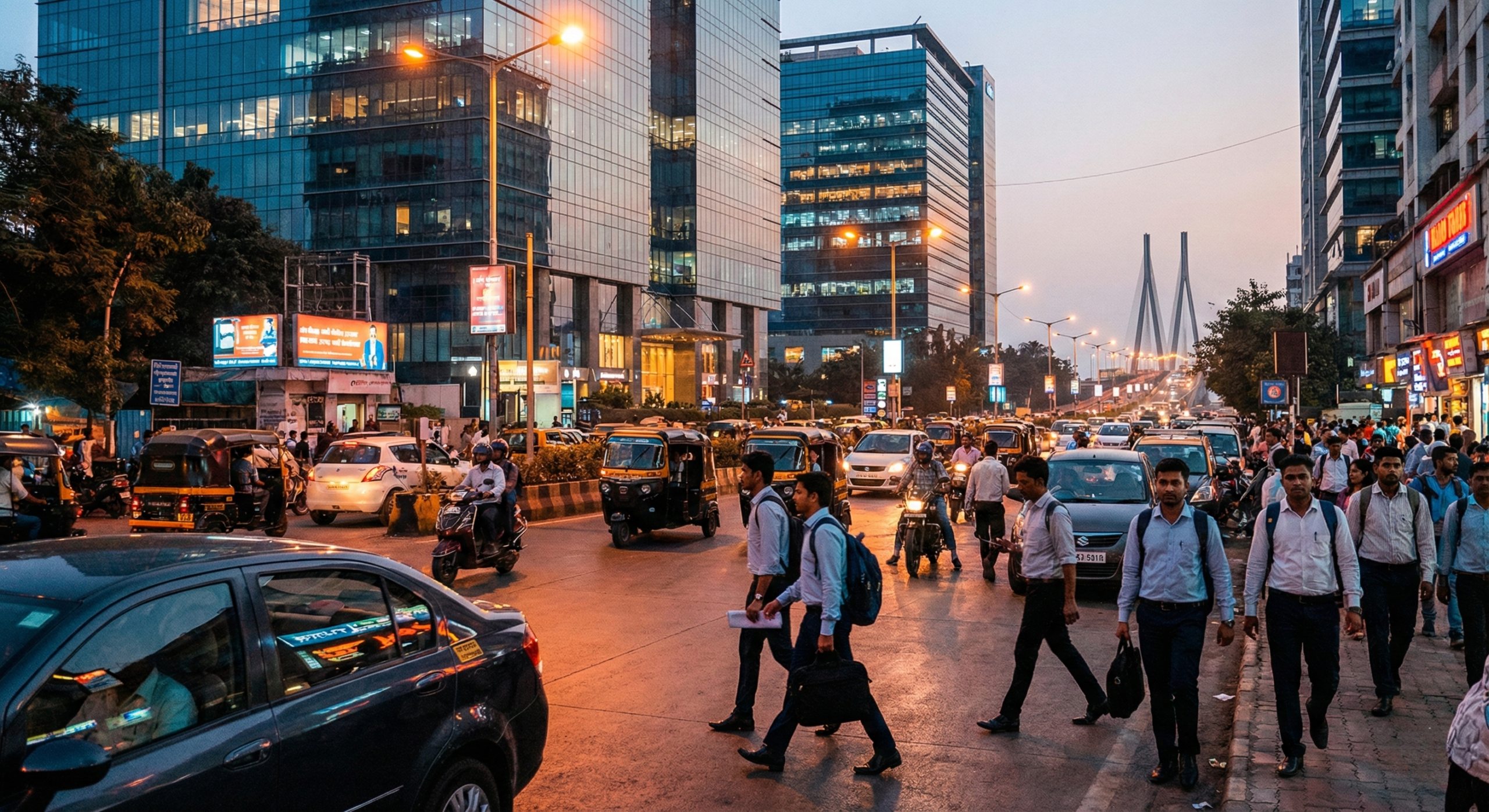
From Mumbai’s Bollywood glamour and finance skyscrapers to Bangalore’s Silicon Valley vibe and Delhi’s power corridors, metro life offers luxury malls, metro rails, food delivery apps, co-working spaces, and 24/7 convenience defining aspirational India.
Overview Table of Indian Metro Cities
| City | Population | Key Industries |
|---|---|---|
| Mumbai | 21M (Metro) | Bollywood, Finance, Ports |
| Delhi-NCR | 32M | Govt, IT, Retail, Auto |
| Bangalore | 13M | IT, Aerospace, Startups |
| Hyderabad | 10M | Pharma, IT, Biotech |
| Chennai | 12M | Auto, Manufacturing, IT |
| Kolkata | 15M | Finance, Jute, Culture |
| Pune | 7M | IT, Education, Auto |
| Ahmedabad | 8M | Textiles, Gems, Pharma |
Daily Commute: Metro Rails & Gig Economy
Public Transport Revolution
Delhi Metro (400km network), Mumbai locals (8M daily riders), Bangalore Namma Metro, Hyderabad, Chennai metros transformed 2-3 hour commutes. AC coaches, women-only sections, contactless cards make urban mobility efficient despite traffic chaos.
Ola-Uber & Two-Wheelers
Gig economy booms with 5M+ drivers; bike taxis, electric scooters solve last-mile connectivity. Office-goers prefer carpooling apps like BlaBlaCar, Quick Ride saving 70% fuel costs in gridlock cities.
Work Culture: 9-9-9 Hustle
IT & Startup Ecosystem
Bangalore (13K startups), Hyderabad (HITEC City), Pune (Hinjewadi) host 5M IT professionals working 12-hour shifts in glass campuses with free food, gyms, nap pods. Work-from-home post-COVID blended with hybrid models.
Corporate Wellness Trend
MNC perks include mindfulness apps, mental health days, ESOPs for GenZ. Mumbai’s Bandra-Kurla Complex, Gurgaon’s Cyber City symbolize glass-ceiling breaking diversity with women in 35% workforce roles.
Food & Nightlife: Global Fusion
24/7 Delivery Culture
Zomato, Swiggy deliver 10M+ orders daily – sushi to dosas in 20 minutes. Cloud kitchens multiply street food favorites like vada pav, momos alongside fine dining in malls like Phoenix Marketcity, DLF Promenade.
Cosmopolitan Dining
Mumbai’s Colaba Causeway cafes, Delhi’s Hauz Khas pubs, Bangalore’s Indiranagar microbreweries serve Korean BBQ, Israeli falafel, Peruvian ceviche alongside regional thalis reflecting 500+ nationalities living in metros.
Housing: High-Rise Aspirations
Luxury Towers & PG Life
Gurgaon’s DLF Camellias (₹200Cr/penthouse), Mumbai’s Lodha World One (117 floors), Bangalore’s Sobha Dream Acres offer sea views, infinity pools, clubhouses. Young professionals opt ₹15-25K PGs with AC, housekeeping, gym.
Co-Living Revolution
Zolo, OYO Life, Nestaway house 2M+ millennials in furnished shared spaces with events, housekeeping solving single-life loneliness in anonymous big cities.
Fitness & Wellness Boom
Gym Culture & Yoga Studios
Cult.fit, Fitness First chains with 500+ centers; Orange Theory HIIT, CrossFit attract fitness influencers. Morning yoga in Delhi’s Lodhi Gardens, Mumbai Marine Drive, Chennai Besant Nagar beach routine for 10M+ urbanites.
Mental Health Awareness
YourDOST, BetterLYF apps offer anonymous counseling; corporate EAPs combat burnout. Meditation apps like Calm, Headspace downloaded 50M+ times reflect stress management priority.
Shopping & Entertainment Hubs
Mall Mania
LuLu Mall Kochi (largest Asia), Phoenix Marketcity Mumbai, VR Bengaluru host IMAX, bowling, luxury brands under one roof. Weekend family outings replaced traditional bazaars.
Digital Entertainment
Netflix, Prime Video, Hotstar subscriptions hit 100M; stand-up comedy at Canvas Laugh Club Delhi, music festivals like Sunburn Goa, NH7 Weekender draw urban crowds seeking live experiences.
Social Life: Apps & Communities
Dating & Friendships
Tinder, Bumble, TrulyMadly match 20M+ urban singles; expat groups on Meetup, InterNations organize treks, pub crawls bridging North-South, urban-rural divides.
Pet Parenting Trend
Metro pet ownership up 30%; dog cafes in Bangalore, pet spas in Mumbai, adoption drives reflect millennial shift from kids to furry companions in compact apartments.
Challenges: Cost of Living Crisis
Inflation & Rent Pressure
Mumbai 1BHK ₹60-100K/month, Delhi ₹40-70K, Bangalore ₹30-50K squeeze ₹8-15LPA salaries. EMIs for iPhones, weekend getaways strain 60% disposable income on housing-transport.
Traffic & Pollution
Delhi AQI 400+ winters, Mumbai potholes, Bangalore water crisis force N95 masks, carpooling, air purifiers as urban survival kit essentials.
Sustainable Urban Trends
Green Initiatives
Electric Ather, Ola scooters charge at 10K+ stations; Mumbai’s coastal road, Delhi’s green corridors reduce congestion. Zero-waste cafes, vegan restaurants multiply in Bandra, Koramangala.
Smart City Push
100 Smart Cities mission adds WiFi zones, CCTV, waste-to-energy plants improving livability scores despite uneven implementation across metros.
Frequently Asked Questions About Urban Lifestyle in India
1. Which is India’s most expensive city?
Mumbai – ₹60-100K 1BHK rents, ₹20K average meals for four; highest real estate ₹4L/sqft in South Mumbai.
2. Best city for IT jobs?
Bangalore – 40% India’s IT exports, 13K startups, ₹12-20LPA fresher salaries at Infosys, Wipro, TCS campuses.
3. Average urban salary?
₹8-15LPA for 25-35 age group; Mumbai-Delhi highest ₹12LPA, Pune-Chennai ₹9LPA reflecting cost of living variations.
4. Safest metro for women?
Chennai – conservative culture, low nightlife crime; followed by Pune, Bangalore safer than Delhi-Mumbai night streets.
5. Most polluted city?
Delhi – AQI 400+ winters from stubble burning, vehicles; Bangalore water crisis, Mumbai monsoon flooding top civic challenges.
6. Popular co-living brands?
Zolo Stays, OYO Life, Nestaway, HelloWorld house 2M+ millennials with AC rooms, events, housekeeping ₹15-25K/month.
7. Work hours in Indian metros?
9-9-9 culture (9AM-9PM, 6 days) common in IT/consulting; startups offer ESOPs, free meals compensating long hours.
8. Best food delivery apps?
Zomato (60% market), Swiggy (35%) deliver 10M+ orders daily; Dunzo quick commerce groceries in 19 minutes.
9. Metro rail coverage?
Delhi 400km (largest), Mumbai 70km locals + 100km metro, Bangalore 75km operational expanding to 175km by 2026.
10. Weekend getaway from metros?
Mumbai-Lonavala (2hrs), Delhi-Jim Corbett (5hrs), Bangalore-Coorg (6hrs), Chennai-Pondy (3hrs) top quick escapes.
Conclusion
Indian metro lifestyle blends relentless ambition with vibrant diversity creating world’s most dynamic urban culture.