Chaudhary Charan Singh Birth Anniversary: The Farmer’s Voice Who Shaped Rural India
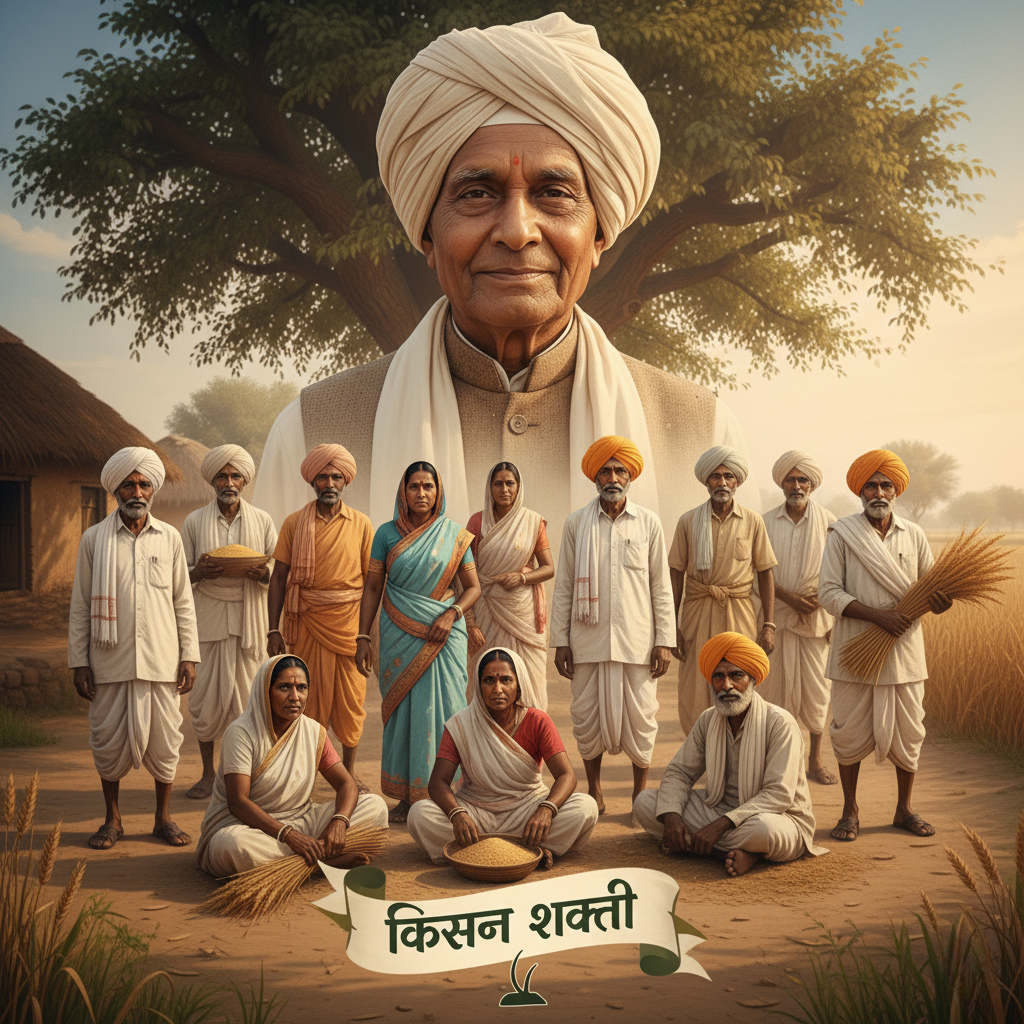
India’s history is shaped not only by freedom fighters and industrial visionaries, but also by leaders who dedicated their lives to the soil and the people who cultivate it. On the birth anniversary of Chaudhary Charan Singh, we pay tribute to a leader widely known as the Champion of India’s Farmers. His politics, policies, and personal life were deeply rooted in rural India, making him one of the most respected agrarian leaders the country has ever seen.
Early Life and Background
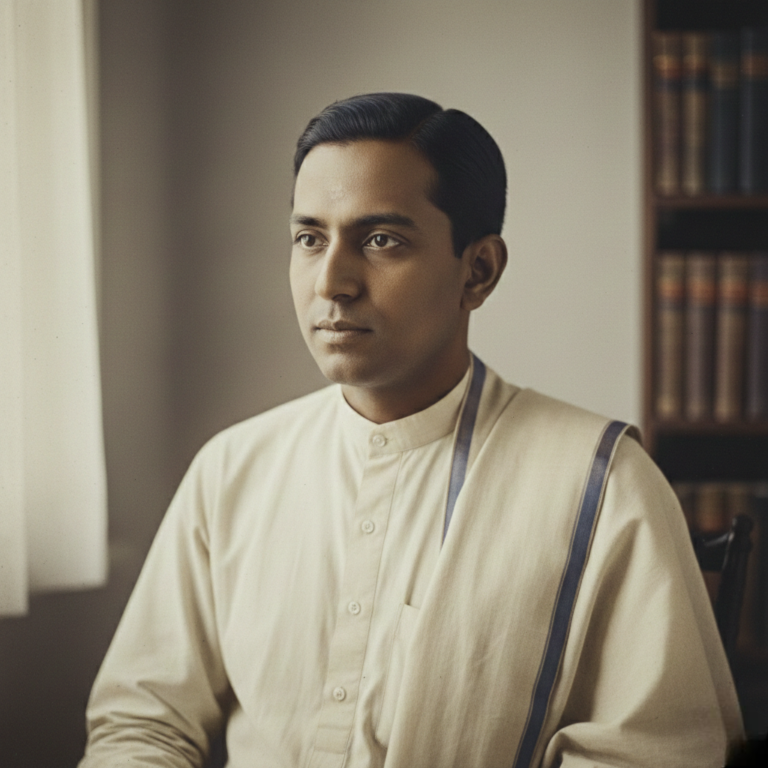
Chaudhary Charan Singh was born on 23 December 1902 in a rural farming family in Uttar Pradesh. Growing up in a village environment, he witnessed firsthand the struggles of farmers under colonial rule. These early experiences shaped his understanding of rural poverty, land exploitation, and the urgent need for agricultural reform.
He pursued higher education in law and developed a sharp intellect combined with a deep sense of social responsibility. Unlike many leaders of his time, Charan Singh never distanced himself from his roots. His identity as a farmer remained central to his worldview throughout his political career.
Entry into Politics and Freedom Movement
Chaudhary Charan Singh entered politics during India’s freedom struggle. Influenced by Mahatma Gandhi’s ideals, he actively participated in movements against British rule. However, his focus remained distinct. While many leaders concentrated on urban and industrial concerns, Charan Singh consistently raised issues related to farmers, land rights, and rural livelihoods.
After independence, he emerged as a powerful voice for the peasantry in Indian politics, challenging policies that he believed ignored rural realities.
Champion of Land Reforms
One of Chaudhary Charan Singh’s greatest contributions was his work on land reforms. He firmly believed that political freedom would remain incomplete unless farmers had ownership and control over the land they cultivated.
As a key leader in Uttar Pradesh, he played a major role in abolishing the zamindari system. This reform ended the exploitative landlord structure and transferred land ownership to actual tillers. Millions of farmers benefited from this historic step, which laid the foundation for a more equitable rural economy.
Vision for Rural India
Charan Singh believed that India lived in its villages. According to him, sustainable national development was impossible without strengthening agriculture and rural society. He opposed blind industrialization and warned against policies that widened the gap between cities and villages.
His economic thinking emphasized small farmers, local markets, and self-reliant villages. He advocated for fair prices for agricultural produce, reduced burden of taxes on farmers, and access to affordable credit.
Role as Prime Minister of India
Chaudhary Charan Singh served as the Prime Minister of India in 1979. Although his tenure was short, it carried deep symbolic importance. For the first time, a leader who openly identified as a farmer reached the highest political office in the country.
Even during his brief time as Prime Minister, his priorities remained clear. He focused on agricultural welfare, rural employment, and social justice. His leadership reaffirmed that farmers deserved a central place in national policymaking.
Kisan Diwas and National Recognition
In recognition of his immense contribution to agriculture and farmers, 23 December, his birth anniversary, is celebrated as Kisan Diwas (Farmer’s Day) across India. The day serves as a reminder of the vital role farmers play in the nation’s economy and survival.
On this day, seminars, awareness programs, and tributes are organized to honor farmers and reflect on policies that affect rural livelihoods.
Personal Values and Integrity
Chaudhary Charan Singh was known for his simplicity, honesty, and moral courage. He lived a disciplined life and maintained a strong ethical stance in politics. He was unafraid to stand alone if he believed a policy harmed farmers or rural society.
His writings and speeches reveal a deep commitment to truth and social justice. He valued practical solutions over political popularity, a quality that earned him both admiration and opposition.
Books and Intellectual Legacy
Charan Singh was not only a politician but also a thoughtful writer. His books on agrarian issues, rural economy, and Indian society remain relevant even today. He critically analyzed the challenges faced by farmers and offered realistic policy solutions rooted in Indian conditions.
His intellectual legacy continues to influence economists, policymakers, and scholars who study rural development.
Relevance in Today’s India
Even decades after his passing, Chaudhary Charan Singh’s ideas remain highly relevant. Issues such as farmer income, land rights, sustainable agriculture, and rural distress are still central to national debate.
As India navigates modernization and globalization, his balanced approach offers valuable lessons. Development, he believed, should uplift the weakest sections first, not leave them behind.
Conclusion
On the birth anniversary of Chaudhary Charan Singh, India remembers a leader who gave farmers a voice in the corridors of power. His life stands as a reminder that true leadership is rooted in empathy, courage, and commitment to the common people.
Honoring his legacy is not just about remembering history. It is about renewing our responsibility toward farmers and ensuring that rural India continues to thrive with dignity and justice.