[india_weather]

Indian History: From Harappa to Independence
This section follows Indian history in order, from the brick cities of Harappa around 2600 BCE to the transfer of power in August 1947. It covers the empires and dynasties, the battles that decided who ruled, and the people who led the fight for independence, with the key dates and facts you need for exams and the background that makes them make sense.
Where historians disagree, or where a famous story is legend rather than recorded fact, each article says so. Sources are listed at the end of every post.
Start here: Indian history in order
Ancient India
- The Harappan Civilization: India’s first cities
- The rise of the Mauryan Empire under Chandragupta Maurya
- The Kalinga War (261 BCE) and Ashoka the Great
- The Gupta Empire and why it is called a golden age
Medieval India
- The Chola dynasty and its navy
- The Delhi Sultanate (1206-1526), dynasty by dynasty
- The Vijayanagara Empire and Hampi
- The three Battles of Panipat
- The Mughal Empire, from Babur to Aurangzeb
- Maharana Pratap and Chhatrapati Shivaji Maharaj
Modern India and the freedom struggle
- British rule in India: how it began and what it changed
- Rani Lakshmibai and the 1857 uprising
- The Indian freedom struggle: a timeline
- Bhagat Singh, Mohammad Ali Jauhar and Sardar Vallabhbhai Patel
All history articles
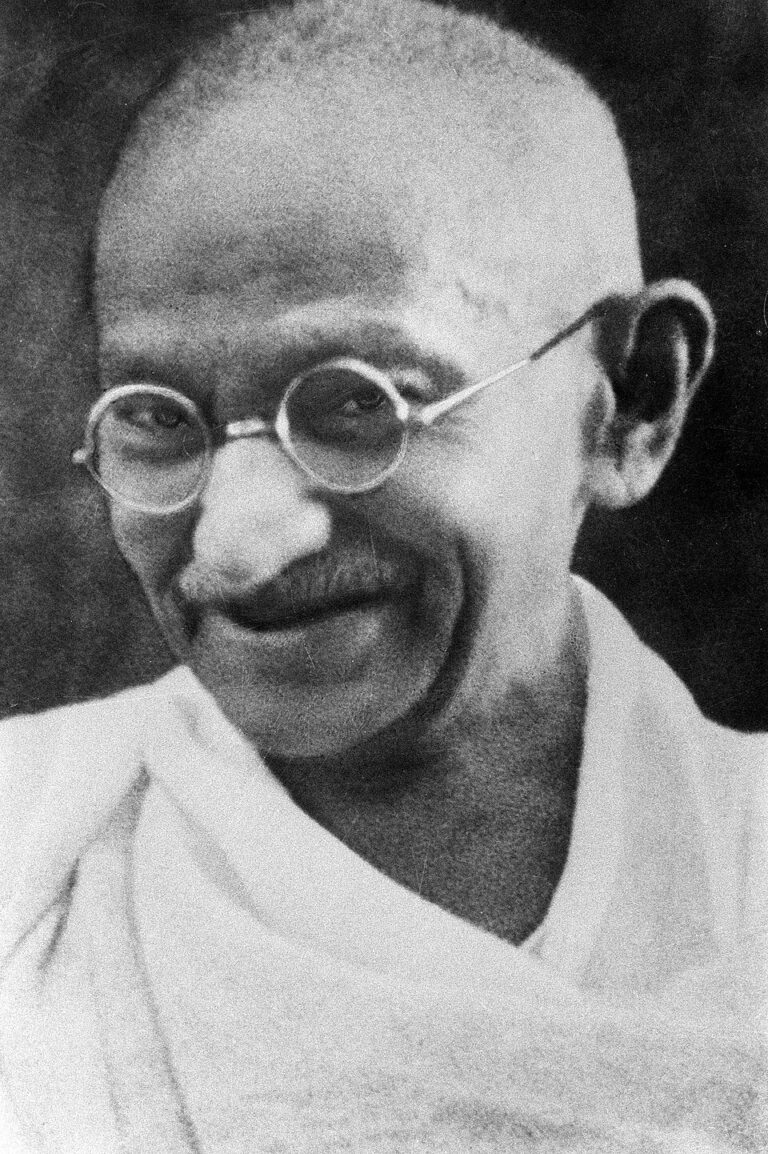
Pravasi Bharatiya Divas: The Day India Celebrates Its Global Diaspora
Pravasi Bharatiya Divas celebrates the contribution of the Indian diaspora worldwide. Learn about its history, venues, chief guests, regional editions, and why this day matters for India’s global future.

Mohammad Ali Jauhar: The Freedom Fighter Who Fought With a Pen
Mohammad Ali Jauhar was a great Indian freedom fighter who believed that words could be more powerful than weapons. Through newspapers, speeches, and movements, he inspired people to stand up against British rule and fight for freedom with courage and unity.
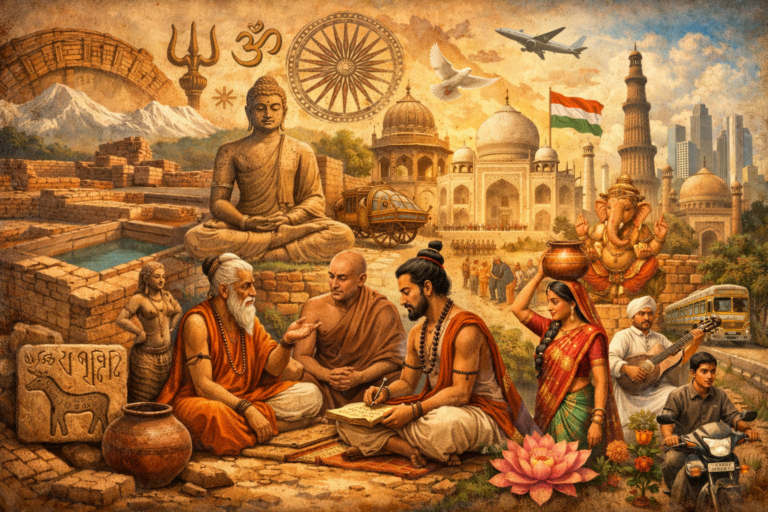
Lessons From India’s Oldest: Civilizations for Today’s Cultural Identity Debates
India’s cultural identity debates are not new. From the Indus Valley to the Vedic age, ancient Indian civilizations offer powerful lessons on diversity, dialogue, and coexistence that still matter today.
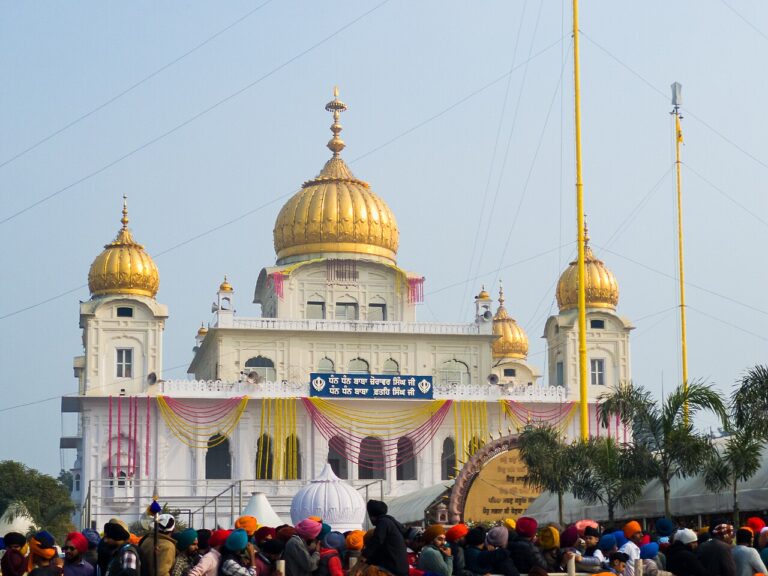
Veer Bal Diwas: The Story of the Sahibzadas and India’s Youngest Martyrs
Veer Bal Diwas, observed on 26 December, honors the unmatched courage of Sahibzada Zorawar Singh and Sahibzada Fateh Singh. Their sacrifice at a young age stands as a timeless symbol of faith, bravery, and resistance against injustice.

Kalinga War History: Ashoka’s Turning Point Explained
The Kalinga War was a historic battle that transformed Emperor Ashoka from a conqueror into a ruler of peace and morality.